
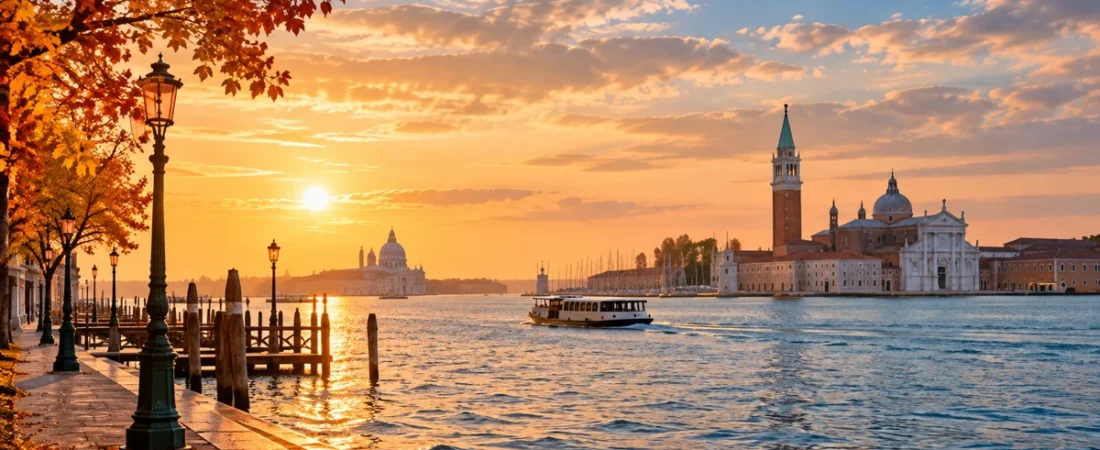
The best time to visit Venice for most travellers is spring or early autumn, when the weather is generally comfortable for walking and the city can be more enjoyable than during the hottest part of summer. April to June and September to October are particularly attractive periods, although Venice is a year-round destination and every season offers a different experience.
Your ideal month ultimately depends on whether you prioritise comfortable weather, fewer visitors, seasonal atmosphere or lower accommodation prices. This guide explains what to expect throughout the year so you can choose the right time for your trip.
If you’re planning your first visit, start with our Venice travel guide. Once you’ve chosen your dates, our 3 days in Venice itinerary can help you organise your sightseeing.
Price note: All prices in this article are approximate and were checked at the time of publication. Prices may change.
Best Time to Visit Venice at a Glance
For a good balance of weather and sightseeing conditions, consider visiting from April to early June or from September into October.
Spring brings longer days and generally pleasant temperatures, making it comfortable to spend hours exploring on foot.
Early autumn can be equally appealing. Summer heat begins to ease, while evenings beside the canals and lagoon remain pleasant.
July and August are suitable if summer is your only opportunity to travel, but prepare for heat, strong sunshine and busy attractions.
Winter provides an entirely different experience. Days are shorter and colder, but quieter streets, misty canals and seasonal celebrations can make Venice especially atmospheric.
Venice in Spring: March to May
Spring is one of the most attractive seasons for Venice.
March begins the transition away from winter. Conditions can still be cool and changeable, particularly in the mornings and evenings, so layers are useful.
By April, longer daylight hours make exploring easier. Walking between San Marco, Rialto, Cannaregio and Dorsoduro becomes more comfortable than during the hottest summer afternoons.
May often brings increasingly warm conditions and is particularly good for travellers who want to spend long days outside.
The main disadvantage is popularity. Spring is not a secret, and central Venice can become busy around holidays and weekends.
Book accommodation well ahead if you’re travelling during a popular period.
Venice in Summer: June to August
Summer provides long days and plenty of time for sightseeing, but it also brings some of Venice’s most challenging conditions.
June can be an excellent month, particularly earlier in the month. Days are long, outdoor dining is enjoyable and the lagoon islands are appealing.
July and August tend to feel considerably hotter.
Venice requires a lot of walking, and the combination of heat, humidity and crowded pedestrian routes can make intensive sightseeing tiring.
If you visit during midsummer, organise your day around the conditions.
Start early and visit major attractions before the busiest part of the day. Slow down during the afternoon, then return outside in the evening when temperatures become more comfortable.
Carry water, use sun protection and avoid planning several demanding attractions back-to-back.
Summer evenings can nevertheless be wonderful. Once the strongest daytime heat fades, canal-side walks and vaporetto journeys become particularly enjoyable.
Venice in Autumn: September to November
Autumn is another excellent time to visit Venice.
September often retains much of summer’s warmth while gradually becoming more comfortable for walking.
This makes it particularly suitable for travellers who want pleasant weather without choosing the peak of midsummer.
October brings a stronger autumn atmosphere. Days become shorter and temperatures begin to fall, but sightseeing can still be very pleasant.
November feels quite different.
Cooler conditions, shorter days and an increased possibility of high-water events create a moodier version of Venice.
For some visitors, that atmosphere is part of the appeal.
Golden light, quieter streets and seasonal Venetian traditions can make autumn especially memorable.
Pack a light waterproof jacket and shoes appropriate for wet conditions if travelling later in the season.
Venice in Winter: December to February
Winter is the season to consider if atmosphere and potentially quieter sightseeing matter more to you than warm weather.
Expect colder days and early sunsets.
You may encounter grey skies, rain or mist, but Venice can look extraordinary under these conditions. Quiet canals disappearing into winter fog provide an experience completely different from bright summer Venice.
December brings festive decorations and Christmas atmosphere.
January is generally one of the quieter periods after the holiday season.
February can become considerably busier around the Venice Carnival.
Carnival transforms the city with elaborate masks, costumes and events. It can be an unforgettable time to visit, but accommodation demand rises and the central areas can become very busy.
If Carnival is the main reason for your trip, reserve accommodation well in advance.
When Is Venice Most Crowded?
Venice attracts visitors throughout the year, so there isn’t a truly empty season.
Crowds are generally most noticeable during major holidays, summer, Carnival and popular spring weekends.
The area around Piazza San Marco and Rialto can feel crowded even when quieter neighbourhoods remain relatively peaceful.
This is important when evaluating Venice’s crowd levels.
Walking ten or fifteen minutes away from the most famous sights can dramatically change your experience.
Cannaregio, Castello and parts of Dorsoduro can provide welcome breaks from the busiest sightseeing corridors.
Where you stay also matters. Our guide to where to stay in Venice explains the advantages of the city’s main neighbourhoods.
When Is Venice Best for Fewer Crowds?
For a quieter experience, consider parts of November, December outside the Christmas period, or January outside major events.
You will trade warmer weather and long daylight hours for calmer surroundings.
Early mornings and evenings are another useful strategy regardless of season.
Many visitors arrive in Venice during the day and leave later, so staying overnight allows you to experience the historic centre when the atmosphere is considerably calmer.
Even during popular months, exploring at 7 or 8 in the morning can feel very different from visiting the same area at midday.
What Is Acqua Alta?
Acqua alta means “high water” and describes the seasonal high-tide phenomenon associated with Venice.
It doesn’t mean the entire city remains flooded for days.
The impact depends on the predicted tide level and the elevation of individual parts of the city. Piazza San Marco is particularly low and can be affected before higher areas.
High-water events are usually temporary. The City of Venice notes that even a tide reaching 120 centimetres typically remains at its maximum for a relatively short period.
When necessary, temporary raised walkways may be used on designated pedestrian routes.
Venice also operates a tide-monitoring and forecasting system.
If you’re travelling during a period when high tides are possible, check the official forecast shortly before and during your trip rather than relying on general seasonal assumptions.
Should Acqua Alta Stop You Visiting Venice?
Usually, no.
High water is something to understand and prepare for rather than automatically a reason to avoid the city.
If a high tide is forecast, follow local information and allow additional time to move around affected areas.
Waterproof footwear can be useful, although conditions vary considerably from one event to another.
Some areas may remain unaffected while lower locations experience water.
Flexible sightseeing plans are particularly helpful. If Piazza San Marco is temporarily affected, you can explore a higher neighbourhood and return later.
Venice Access Fee: What Visitors Should Know
Venice operated an Access Fee trial on selected dates during 2026.
That 2026 trial period ended on 26 July.
From 27 July 2026, the Access Fee is no longer being applied, and visitors do not currently need to make a payment or request an exemption to enter Venice.
The City of Venice states that any application of the system in future years will require further decisions by the municipal authorities.
Because these rules can change from year to year, travellers planning a future visit should check the official Venice Access Fee website shortly before travelling.
Best Time for Murano and Burano
Spring and early autumn are particularly attractive for visiting Murano and Burano.
Pleasant temperatures make it easier to spend several hours walking around the islands, while travelling across the lagoon by vaporetto can be enjoyable in mild weather.
Summer offers long daylight hours but can be hot.
Winter creates a quieter atmosphere, although shorter days mean you’ll need to manage your sightseeing time more carefully.
If Murano and Burano are priorities, allow most of a day rather than squeezing both into a few hours.
Our 3-day Venice itinerary includes a dedicated island day for this reason.
Best Time for Photography
Venice is photogenic throughout the year, but the character of your photographs changes dramatically with the season.
Spring provides brighter colours and longer daylight.
Summer gives you early sunrises and late sunsets, allowing photography before and after the busiest sightseeing hours.
Autumn can produce beautiful golden light and atmospheric skies.
Winter offers the possibility of mist and quieter streets.
Regardless of month, early morning is one of the best times for photography around Piazza San Marco, Rialto and the canals.
You’ll encounter fewer people and often softer light.
What to Pack for Venice by Season
In spring, bring layers, comfortable walking shoes and a light waterproof jacket.
For summer, prioritise breathable clothing, sun protection, a hat and comfortable footwear.
Autumn visitors should bring layers and rain protection, particularly later in the season.
Winter requires a warmer jacket and clothing suitable for cold, damp conditions.
Comfortable shoes are essential at any time of year.
Venice is best explored on foot, and a normal sightseeing day can involve hours of walking across stone streets and bridges.
So, When Should You Visit Venice?
For many first-time visitors, May, early June, September and early October offer an appealing combination of comfortable sightseeing conditions and long enough days to explore.
Choose summer if long daylight hours and warm evenings matter most and you don’t mind heat or crowds.
Choose late autumn or winter if you value atmosphere and potentially quieter streets more than predictable weather.
And consider Carnival season if experiencing one of Venice’s most famous traditions is a major reason for your trip.
There is no single perfect month for everyone.
The best time to visit Venice is ultimately the period that matches the experience you want — whether that’s warm lagoon evenings, autumn colours, misty winter canals or long spring days exploring on foot.
Explore more places through our destinations page or browse our complete collection of itineraries.