
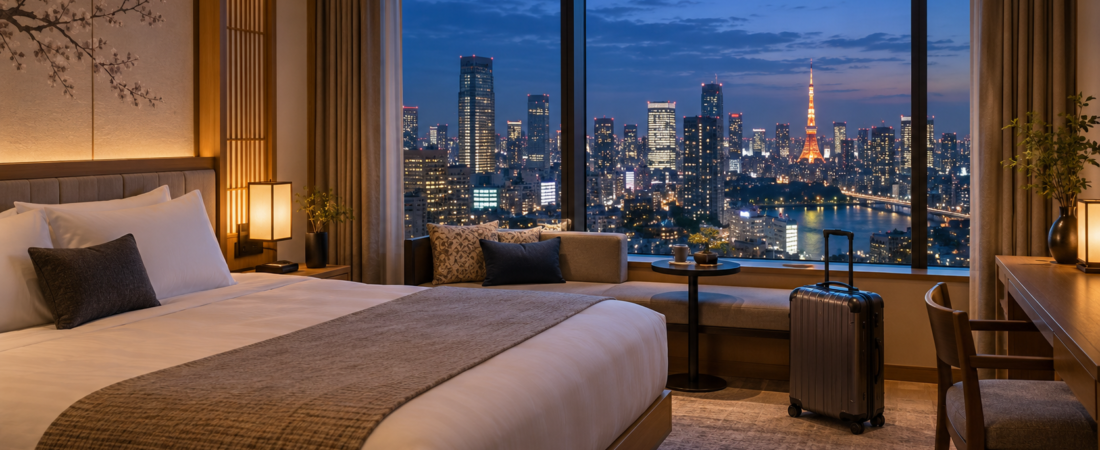
Deciding where to stay in Tokyo can feel overwhelming because the city is vast and each neighborhood offers a different experience. Shinjuku provides excellent transport and nightlife, Shibuya delivers modern energy, Asakusa offers traditional surroundings, and Ueno combines convenience with better-value accommodation.
For most first-time visitors, Shinjuku is the strongest all-round base. However, the best choice depends on your budget, preferred atmosphere, airport and sightseeing plans.
Price note: All prices in this article are approximate and were checked at the time of publication. Prices may change.
Best Tokyo Areas at a Glance
| Area | Best for | Possible drawback |
|---|---|---|
| Shinjuku | First visits and transport | Large, confusing station |
| Shibuya | Nightlife and modern Tokyo | Expensive and busy |
| Asakusa | Traditional culture | Farther from western Tokyo |
| Ueno | Value and museums | Less fashionable |
| Tokyo Station | Rail connections | Expensive |
| Ginza | Luxury and shopping | Quiet late at night |
| Akihabara | Anime and gaming | Limited neighborhood variety |
| Ikebukuro | Value and convenience | Less central for some sights |
Begin planning your attractions with our complete Tokyo travel guide.
1. Shinjuku: Best Overall for First-Time Visitors
Shinjuku is one of Tokyo’s largest transport, shopping and entertainment centers. Numerous JR, subway, private railway and bus services make it practical for sightseeing and day trips.
West Shinjuku contains skyscrapers, major hotels and the Tokyo Metropolitan Government Building. The east side offers department stores, restaurants, Kabukichō and Golden Gai.
Why Stay in Shinjuku?
- Excellent citywide transport
- Extensive hotel selection
- Restaurants at every price level
- Shopping and nightlife
- Airport bus connections
- Convenient for western Tokyo
- Free views from the Metropolitan Government Building
Drawbacks
Shinjuku Station is enormous. A hotel described as “near Shinjuku” may still require a long walk through or around the station.
Kabukichō remains lively late at night. Avoid following street promoters into bars or entertainment businesses, and check all cover charges before entering.
Typical Nightly Prices
- Hostel or capsule: ¥4,000–¥9,000
- Budget or business hotel: ¥10,000–¥22,000
- Mid-range hotel: ¥20,000–¥40,000
- Luxury hotel: ¥45,000 and above
Best for: First-time visitors, nightlife, shopping and day trips.
2. Shibuya: Best for Nightlife and Modern Tokyo
Shibuya is associated with its famous crossing, fashion, music, restaurants and youth culture. It offers direct connections to Harajuku, Shinjuku, Ebisu and several areas beyond central Tokyo.
Staying here places you within walking distance of Shibuya Crossing, Hachikō, Shibuya Sky and numerous shopping complexes.
Why Stay in Shibuya?
- Energetic modern atmosphere
- Excellent trains and subways
- Shopping and entertainment
- Strong restaurant selection
- Easy access to Harajuku and Omotesando
- Active nightlife
Drawbacks
Shibuya is busy and generally expensive. Construction and redevelopment can alter pedestrian routes, while rooms near entertainment streets may be noisy.
The station has multiple operators and exits, so confirm which side is closest to your hotel.
Typical Nightly Prices
- Hostel or capsule: ¥5,000–¥10,000
- Budget hotel: ¥12,000–¥24,000
- Mid-range hotel: ¥22,000–¥45,000
- Luxury hotel: ¥50,000 and above
Best for: Younger travelers, couples, nightlife and fashion.
3. Asakusa: Best for Traditional Culture
Asakusa centers on Sensō-ji, Kaminarimon Gate and Nakamise shopping street. It offers traditional architecture, local restaurants, river views and a calmer evening environment than Shinjuku or Shibuya.
Tokyo Metro’s Ginza Line and the Toei Asakusa Line serve the area. Asakusa also provides useful access to Tokyo Skytree.
Why Stay in Asakusa?
- Traditional atmosphere
- Sensō-ji nearby
- Potentially lower hotel prices
- Convenient for eastern Tokyo
- Useful Haneda and Narita connections
- Quieter evenings
- Family-friendly environment
Drawbacks
Journeys to Shinjuku and Shibuya take longer. Nightlife is limited compared with western Tokyo.
Several different stations use the name Asakusa, so confirm the line and exact entrance closest to your accommodation.
Typical Nightly Prices
- Hostel or capsule: ¥3,500–¥8,000
- Budget hotel: ¥8,000–¥18,000
- Mid-range hotel: ¥16,000–¥32,000
- Upscale hotel: ¥35,000 and above
Best for: Culture, families, budget-conscious travelers and quieter evenings.
4. Ueno: Best for Value, Museums and Narita Access
Ueno combines a major transport hub with Ueno Park, museums, Ameyoko market and casual dining.
The area provides access to JR lines, Tokyo Metro and Keisei services. Keisei-Ueno is useful for travelers using the Skyliner to or from Narita Airport.
Why Stay in Ueno?
- Strong transport connections
- Convenient for Narita Airport
- Better-value accommodation
- Museums and Ueno Park
- Ameyoko shopping and food
- Useful for Asakusa and Akihabara
- Family-friendly attractions
Drawbacks
Ueno is less stylish than Ginza or Shibuya, and some streets around the station feel extremely busy.
Cherry-blossom season creates large crowds around Ueno Park.
Typical Nightly Prices
- Hostel or capsule: ¥3,500–¥8,000
- Budget hotel: ¥8,000–¥17,000
- Mid-range hotel: ¥15,000–¥30,000
- Upscale hotel: ¥30,000 and above
Best for: Families, museums, value and Narita Airport access.
5. Tokyo Station and Marunouchi: Best for Rail Travel
Tokyo Station is the country’s most important rail hub and a major departure point for Shinkansen services.
Marunouchi, west of the station, contains offices, luxury hotels and polished streets. The Imperial Palace outer grounds and Ginza are within walking distance.
Why Stay Near Tokyo Station?
- Exceptional Shinkansen access
- Central location
- Easy airport connections
- Convenient for business travel
- High-quality hotels and restaurants
- Walkable to Ginza and the Imperial Palace
Drawbacks
Accommodation is expensive, and the business district can feel quiet on certain evenings. Tokyo Station itself is large and has numerous underground passages.
Typical Nightly Prices
- Budget or business hotel: ¥14,000–¥25,000
- Mid-range hotel: ¥25,000–¥45,000
- Luxury hotel: ¥50,000 and above
Best for: Rail trips, short stays, business and luxury travelers.
6. Ginza: Best for Luxury Shopping and Dining
Ginza is Tokyo’s premier luxury shopping district. Department stores, designer shops, galleries and restaurants line its orderly streets.
It provides convenient access to Tsukiji, Tokyo Station and the Imperial Palace area. Multiple Tokyo Metro lines serve the neighborhood.
Why Stay in Ginza?
- Luxury shopping
- Excellent restaurants
- Central location
- Convenient subway access
- Close to Tsukiji
- Polished, orderly surroundings
Drawbacks
Hotels and dining can be expensive. Ginza becomes quieter later in the evening and does not offer Shinjuku’s nightlife variety.
Typical Nightly Prices
- Budget or business hotel: ¥12,000–¥24,000
- Mid-range hotel: ¥22,000–¥45,000
- Luxury hotel: ¥50,000 and above
Best for: Couples, shopping, food, business and luxury trips.
7. Akihabara: Best for Anime, Gaming and Electronics
Akihabara is known for electronics, anime, manga, arcades and themed cafés. JR and Tokyo Metro connections make it convenient for Ueno, Tokyo Station and eastern Tokyo.
Why Stay in Akihabara?
- Anime and gaming culture
- Strong transport
- Easy access to Ueno and Asakusa
- Electronics shopping
- Numerous casual restaurants
Drawbacks
The area’s appeal is specialized. Travelers uninterested in pop culture or electronics may find other neighborhoods more atmospheric.
Many shops close before Tokyo’s main nightlife districts become active.
Typical Nightly Prices
- Capsule or hostel: ¥4,000–¥8,000
- Budget hotel: ¥9,000–¥18,000
- Mid-range hotel: ¥17,000–¥32,000
Best for: Anime fans, gamers, electronics shoppers and solo travelers.
8. Ikebukuro: Best for Affordable Convenience
Ikebukuro is a major transport and commercial center north of Shinjuku. It offers department stores, entertainment, restaurants and a large selection of business hotels.
JR and subway connections make Shinjuku and Shibuya easy to reach.
Why Stay in Ikebukuro?
- Strong transport network
- Often better value than Shinjuku
- Shopping and restaurants
- Anime and entertainment attractions
- Good hotel selection
- Convenient for western and northern Tokyo
Drawbacks
It is farther from Asakusa, Tokyo Skytree and Tokyo Station than more central choices. The station is large and requires careful exit planning.
Typical Nightly Prices
- Hostel or capsule: ¥3,500–¥8,000
- Budget hotel: ¥8,000–¥18,000
- Mid-range hotel: ¥16,000–¥30,000
Best for: Budget-conscious visitors, families and longer stays.
Best Area by Traveler Type
- First visit: Shinjuku
- Nightlife: Shinjuku or Shibuya
- Traditional atmosphere: Asakusa
- Families: Ueno or Asakusa
- Luxury: Tokyo Station, Marunouchi or Ginza
- Budget: Ueno, Asakusa or Ikebukuro
- Anime and gaming: Akihabara or Ikebukuro
- Narita Airport: Ueno
- Shinkansen travel: Tokyo Station
- 3-day trip: Shinjuku, Shibuya or Tokyo Station
Our 3 days in Tokyo itinerary can help you choose a base near the areas you will visit most.
How Close Should You Stay to a Station?
Aim to stay within five to ten minutes’ walk of a useful train or subway station. The station’s lines matter more than its fame.
Regular Tokyo Metro fares range from ¥180 to ¥330. Tourist subway passes cost ¥1,000 for 24 hours, ¥1,500 for 48 hours and ¥2,000 for 72 hours, but they do not include JR or all private railways.
A cheaper hotel requiring several transfers may waste more time than it saves. Check the full journey to your priority attractions and airports before booking.
What to Check Before Booking
- Distance to the correct station entrance
- Train and subway lines serving the station
- Room size in square meters
- Private or shared bathroom
- Smoking or non-smoking room
- Air-conditioning and heating
- Laundry facilities
- Luggage storage
- Reception and check-in hours
- Cancellation conditions
- Recent reviews about noise and cleanliness
Japanese hotel rooms can be compact. Wide-angle photographs may make them appear larger, so check the listed floor area.
Late-night travelers should remember that most trains stop around midnight. A central hotel may save a costly taxi ride.
When to Book
Reserve early for cherry-blossom season, Golden Week, autumn foliage, major events and New Year.
March to May and October to November are popular. January, February, June and parts of early December may provide better value, although weather and holidays create trade-offs.
Read our guide to the best time to visit Tokyo before selecting dates.
Saving Money on Accommodation
- Compare Ueno, Asakusa and Ikebukuro.
- Stay near transport instead of beside a famous attraction.
- Book early for popular seasons.
- Consider business hotels.
- Compare the final price with taxes and fees.
- Skip hotel breakfast if nearby cafés or convenience stores cost less.
- Avoid paying for Shibuya or skyline views unless they are important.
- Use capsule hotels only if their privacy and luggage arrangements suit you.
- Check whether children can use the selected room type.
- Compare direct hotel rates with established booking platforms.
For complete daily estimates, use our Tokyo travel budget guide.
Frequently Asked Questions
Which area is best for first-time visitors?
Shinjuku is the best all-round option because of its transport, restaurants, shopping and accommodation range. Shibuya is an energetic alternative.
Is Shinjuku or Shibuya better?
Choose Shinjuku for broader transport connections and hotel choice. Choose Shibuya for fashion, nightlife and a younger atmosphere.
Is Asakusa too far from central Tokyo?
Asakusa is well connected to eastern and central Tokyo but farther from Shinjuku and Shibuya. It remains a practical choice for travelers prioritizing culture or value.
Where should families stay?
Ueno and Asakusa offer family attractions, useful transport and calmer evenings. Tokyo Station is highly convenient but more expensive.
Is it worth staying near Tokyo Station?
Yes, especially when taking Shinkansen trains or making a short stopover. Travelers spending most of their time in Shibuya and Shinjuku may prefer western Tokyo.
Final Verdict
Shinjuku is the strongest overall choice for most first-time visitors. Shibuya suits travelers prioritizing nightlife and modern culture, while Asakusa offers traditional surroundings and Ueno combines value with excellent transport.
Tokyo Station and Ginza are ideal for convenience and luxury. Akihabara suits anime and gaming fans, while Ikebukuro provides an affordable alternative with strong rail connections.
Whatever neighborhood you choose, prioritize a well-reviewed hotel close to the right station and line. This will have a greater effect on your trip than simply selecting the most famous district.
Explore more places through our destinations page or browse our complete collection of itineraries.