
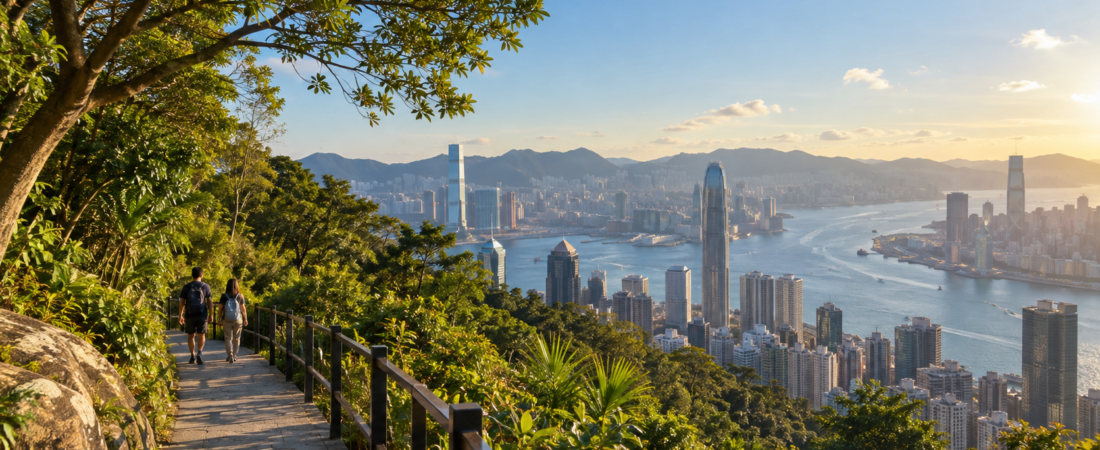
The best time to visit Hong Kong is generally from October to early December, when temperatures are comfortable, humidity is lower and clear skies create excellent conditions for sightseeing, harbour views and hiking. November is often the strongest all-round choice for first-time visitors.
Hong Kong is a year-round destination, but its subtropical climate changes noticeably between seasons. Winters are generally cool and dry, spring can be cloudy and humid, summers are hot and wet, and autumn usually brings the most comfortable outdoor weather.
Price note: All prices in this article are approximate and were checked at the time of publication. Prices may change.
The right month for your trip depends on your priorities. Autumn is ideal for outdoor exploration, winter is comfortable for walking, summer can offer better accommodation deals, and major festivals create exciting—but sometimes busier—travel periods.
Quick Answer: When Should You Visit Hong Kong?
- Best overall weather: October to early December
- Best individual month: November
- Best for hiking: November to February
- Best for sightseeing: October to December
- Best for lower accommodation prices: Parts of May, June and September
- Best for festivals: January or February, depending on Lunar New Year
- Hottest months: June to August
- Wettest period: May to September
- Highest tropical-cyclone risk: July to September
- Coolest months: January and February
Hong Kong’s Climate Explained
Hong Kong has a subtropical climate that becomes relatively mild for almost half the year. Conditions can change quickly, particularly during spring, summer and the tropical-cyclone season.
According to long-term observations from the Hong Kong Observatory, November and December usually bring pleasant breezes, generous sunshine and comfortable temperatures. January and February are cooler and cloudier, with occasional cold fronts.
March and April are generally mild but can experience high humidity, drizzle, fog and reduced visibility. May to August is typically hot and humid, with frequent showers and thunderstorms. Daytime temperatures often exceed 31°C during the summer, while nights can remain close to 26°C.
Approximately 80% of Hong Kong’s annual rainfall occurs between May and September. June and August are usually among the wettest months, while December and January tend to be the driest.
Best Time for First-Time Visitors
For a first visit, aim for late October, November or early December. These months provide the best balance of:
- Comfortable walking temperatures
- Lower humidity
- Better visibility from Victoria Peak
- More enjoyable harbour cruises and ferry rides
- Good conditions for hiking
- Lower risk of prolonged heavy rain
- Pleasant evenings for markets and waterfront walks
November is particularly attractive because the intense summer heat has usually passed, while the coolest winter weather has not yet arrived.
Good weather is never guaranteed. Even during the preferred months, visitors should check the forecast before planning Victoria Peak, Ngong Ping, hiking trails or other activities that depend on clear visibility.
Hong Kong by Season
Autumn: October to December
Autumn is generally the best season to visit Hong Kong. Conditions become less humid, rainfall decreases and temperatures are comfortable enough for long sightseeing days.
October can still feel warm, especially early in the month, but it is usually more pleasant than summer. Tropical cyclones remain possible, although they are less likely than during the peak period from July to September.
November is often the best month of the year for outdoor activities. Clearer skies improve the chances of wide views from Victoria Peak, and lower humidity makes exploring Central, Kowloon and the waterfront more comfortable.
December is cooler and usually dry. The city’s festive displays add atmosphere to shopping districts and the harbourfront. Evenings may feel chilly when the wind crosses Victoria Harbour, so carry a light jacket.
Advantages of visiting in autumn
- Usually the most comfortable weather
- Lower humidity than summer
- Excellent hiking conditions
- Better chance of clear harbour views
- Pleasant evenings
- Relatively low rainfall
Disadvantages of visiting in autumn
- Popular hotels may charge higher rates
- Major attractions can become busy
- October can still experience tropical weather
- December becomes crowded around Christmas and New Year
Best autumn activities
Walk around Victoria Peak, explore the Tsim Sha Tsui waterfront, hike Dragon’s Back, visit Hong Kong’s outlying islands and spend evenings at markets or beside Victoria Harbour.
Winter: January and February
Winter in Hong Kong is mild compared with many destinations, but it can feel surprisingly cool because buildings are not always strongly heated. January and February are generally cloudier than November and December.
Daytime conditions are often comfortable for sightseeing. However, cold fronts can occasionally push temperatures below 10°C in urban districts. Higher ground and exposed hiking routes may feel considerably colder.
Lunar New Year usually falls in January or February. The exact dates change annually according to the lunar calendar. This is an exciting time to experience decorations and seasonal traditions, but it can also affect business hours, transport demand and accommodation prices.
Advantages of visiting in winter
- Comfortable temperatures for walking
- Relatively low rainfall
- Good hiking conditions
- Seasonal celebrations around Lunar New Year
- Less humidity than spring and summer
Disadvantages of visiting in winter
- Some days are cloudy
- Cold fronts can make evenings chilly
- Lunar New Year can increase crowds and hotel demand
- Certain independent businesses may close during holiday periods
What to pack for winter
Bring layers, a light or medium jacket and a compact umbrella. A warmer outer layer is useful if a cold front is forecast or if you plan to visit exposed viewpoints.
Spring: March and April
Spring is a transitional period. Temperatures are generally mild, but humidity begins to rise. Fog, low cloud and drizzle can reduce visibility, particularly around Victoria Peak and the surrounding hills.
March is usually cooler, while April becomes warmer and more humid. Spring remains suitable for urban sightseeing, food experiences, museums and shopping, but travellers should keep their schedules flexible.
If the harbour or Peak is hidden by cloud, move indoor attractions forward and save viewpoints for a clearer day.
Advantages of visiting in spring
- Mild temperatures
- Colourful seasonal vegetation
- Comfortable conditions between rain showers
- Good time for museums, shopping and food-focused trips
Disadvantages of visiting in spring
- Increasing humidity
- Fog can obscure famous views
- Drizzle and cloudy weather are possible
- Ferry and air services can occasionally be affected by poor visibility
Best spring activities
Explore Central, Sheung Wan and Kowloon’s markets; visit M+, the Hong Kong Palace Museum and other indoor attractions; enjoy dim sum; and use clearer days for Victoria Peak or Ngong Ping.
Summer: May to September
Summer is Hong Kong’s hottest and wettest period. High temperatures combine with strong humidity, making outdoor sightseeing tiring during the middle of the day.
Showers and thunderstorms are common, although rain does not necessarily continue all day. A wet morning can sometimes be followed by a bright afternoon, or the opposite.
May to November is the broader period during which tropical cyclones may affect Hong Kong. July to September is the most likely period for cyclone-related disruption.
A tropical cyclone does not affect the city every day during these months. However, when one approaches, heavy rain and strong winds can interrupt flights, ferries, cable cars, outdoor attractions and public transport.
Advantages of visiting in summer
- Lush green landscapes
- Longer daylight hours
- Occasional hotel promotions
- Excellent indoor shopping and dining
- Lively summer atmosphere
- Beaches and hotel pools can be enjoyable in suitable weather
Disadvantages of visiting in summer
- High heat and humidity
- Frequent rain and thunderstorms
- Greater tropical-cyclone risk
- Outdoor sightseeing can be exhausting
- Views may be hidden by haze or cloud
- Transport and attractions may be disrupted during severe weather
Summer sightseeing strategy
Begin outdoor activities early, rest indoors during the hottest part of the afternoon and return outside in the evening. Carry drinking water, sun protection and a compact umbrella.
Museums, covered shopping centres and food experiences make good backup plans. Avoid exposed hiking trails during thunderstorms, extreme heat or tropical-cyclone warnings.
Hong Kong Month-by-Month Guide
January
January is cool and comparatively dry. It is a good month for urban walking and hiking, although cloudy periods and cold fronts are possible. Pack layers for changing temperatures.
Best for: Walking, hiking and avoiding summer humidity.
February
February remains cool, with occasional damp or cloudy conditions. Lunar New Year may fall during this month, bringing decorations and celebrations as well as increased travel demand.
Best for: Cultural experiences and comfortable sightseeing.
March
March becomes milder but increasingly humid. Fog and drizzle can affect views from Victoria Peak and Ngong Ping.
Best for: Food, museums and flexible city exploration.
April
April is warmer and more humid. Showers and thunderstorms become more frequent as the city approaches the wet season.
Best for: Mixed indoor and outdoor itineraries.
May
May is hot, humid and increasingly rainy. Tropical cyclones become possible, although the greatest risk generally comes later in summer.
Best for: Visitors comfortable with heat and flexible plans.
June
June is usually one of Hong Kong’s wettest months. Heavy showers and thunderstorms can interrupt outdoor plans, while humidity remains high.
Best for: Shopping, museums, restaurants and travellers seeking potential hotel offers.
July
July is very hot and humid. A fine, dry spell sometimes develops, but tropical cyclones may affect the region.
Best for: Indoor attractions and evening activities.
August
August is commonly hot, humid and very wet. Heavy rain, thunderstorms and tropical-cyclone disruption are possible.
Best for: Travellers who prioritise indoor dining, shopping and cultural attractions.
September
September remains hot, and tropical-cyclone risk is still significant. Conditions often begin improving towards the end of the month, but year-to-year variation is considerable.
Best for: Flexible travellers watching for accommodation deals.
October
October usually marks the beginning of more comfortable weather. Humidity and rainfall generally decrease, although early October can remain hot and cyclones are still possible.
Best for: Sightseeing, harbour views and outdoor attractions.
November
November is the best all-round month for many visitors. Temperatures are comfortable, rainfall is relatively low and visibility is often better than in spring or summer.
Best for: First-time visits, hiking, photography and full-day sightseeing.
December
December is cool, generally dry and festive. Clear days are excellent for views and walking, while evenings may require a light jacket.
Best for: City breaks, festive atmosphere and outdoor exploration.
Best Time for Victoria Peak and Harbour Views
October to December usually provides the best chance of comfortable weather and clear visibility. November is particularly reliable, although haze, cloud or changing conditions can occur at any time.
Visit Victoria Peak on the clearest day of your trip rather than assigning it permanently to a particular date. Checking the view through live weather reports or webcams before leaving can prevent disappointment.
Late afternoon is a popular time because visitors can see the city in daylight, watch the sunset and remain as the skyline lights appear. It is also one of the busiest periods.
Our Hong Kong travel guide includes more information about Victoria Peak, Victoria Harbour and the city’s major attractions.
Best Time for Hiking
The most comfortable hiking period generally runs from November to February. Temperatures and humidity are lower, making exposed routes such as Dragon’s Back more manageable.
October and March can also be suitable on mild days. Summer hiking requires much greater caution because of heat, humidity, sudden thunderstorms and tropical weather.
Always carry enough water, use sun protection and check current weather warnings. Avoid ridges, exposed viewpoints and watercourses during thunderstorms, heavy rain or tropical-cyclone conditions.
Best Time for Families
October, November and early December are excellent for families because the weather supports full sightseeing days without the most intense summer heat.
January and February are also suitable if everyone carries layers. Families visiting around Lunar New Year should reserve accommodation early and confirm opening arrangements for the places they want to visit.
Summer can work when school holidays determine travel dates, but build rest periods and indoor attractions into the itinerary. Young children may find the combination of heat and humidity particularly tiring.
Best Time for Lower Prices
Accommodation prices depend on weekday demand, exhibitions, public holidays and major events as much as the weather.
Parts of May, June and September may offer better hotel rates because of heat, rain and tropical-weather risk. However, lower prices come with a greater chance of disrupted outdoor plans.
January or February can sometimes provide reasonable value outside the Lunar New Year period. Always check the festival calendar before booking.
The guide to where to stay in Hong Kong compares the best neighbourhoods for first-time visitors, families, nightlife, luxury and more affordable accommodation.
Visiting During Lunar New Year
Lunar New Year is one of Hong Kong’s most important annual celebrations. It normally falls between late January and mid-February, with dates changing each year.
Visitors can expect elaborate decorations, seasonal food, festive displays and busy public spaces. Special events vary by year and should be confirmed closer to your visit.
Some restaurants and independent businesses close or operate reduced hours during part of the holiday. Transport, attractions and popular public areas may be crowded.
Book flights and accommodation early if Lunar New Year is central to your plans. If you prefer quieter sightseeing and predictable business hours, visit before or after the main holiday period.
Tropical Cyclones and Weather Warnings
Hong Kong has a well-developed warning system operated by the Hong Kong Observatory. Tropical-cyclone signals communicate the expected impact of approaching storms, while separate rainstorm warnings cover heavy rainfall.
A warning does not always mean severe conditions have already reached every district. However, transport services and attractions may reduce operations or close as conditions worsen.
During severe weather:
- Follow Hong Kong Observatory updates
- Check airline and airport announcements
- Confirm MTR, ferry and bus operations
- Avoid coastlines, hiking trails and exposed viewpoints
- Do not travel to an outlying island without checking return services
- Follow instructions from your hotel and local authorities
- Keep devices charged and allow flexibility in your itinerary
Travel insurance covering weather-related delays can be valuable, particularly between July and September.
What to Pack for Hong Kong
October to December
Pack breathable daytime clothing, comfortable walking shoes and a light jacket for evenings. Sun protection remains useful.
January and February
Bring layers, long trousers and a jacket. Add a warmer layer if cold weather is forecast.
March and April
Choose light clothing with an extra layer for cooler or air-conditioned spaces. Carry an umbrella and shoes that tolerate wet pavements.
May to September
Pack lightweight, breathable clothing, sun protection and a compact umbrella or rain jacket. Quick-drying clothes are useful, but indoor air conditioning can feel cold, so carry a thin layer.
How Long Should You Spend in Hong Kong?
3 full days allow enough time for Central, Victoria Peak, Kowloon, Victoria Harbour and a Lantau Island excursion. Four or five days provide more flexibility if weather disrupts a viewpoint, cable-car journey or outdoor activity.
Our 3 days in Hong Kong itinerary organises the major highlights into a practical first-time route.
When travelling during spring or summer, adding an extra day can be helpful. It gives you an opportunity to rearrange outdoor plans if the visibility is poor or heavy rain affects your schedule.
Final Recommendation
For the best combination of comfortable weather, clear views and outdoor sightseeing, visit Hong Kong between late October and early December. November is the best individual month for most first-time visitors.
January and February are good alternatives for cooler sightseeing and hiking, provided you pack layers and avoid the busiest Lunar New Year dates if crowds are a concern.
Spring offers mild temperatures but greater humidity and a risk of fog. Summer can provide good travel experiences and occasional accommodation savings, but visitors must prepare for heat, heavy rain and possible tropical-cyclone disruption.
Whatever month you choose, keep your itinerary flexible and use the clearest day for Victoria Peak, Ngong Ping or hiking. Hong Kong has enough excellent food, museums, shopping and covered attractions to remain rewarding even when the weather changes.
Explore more places through our destinations page or browse our complete collection of itineraries.