
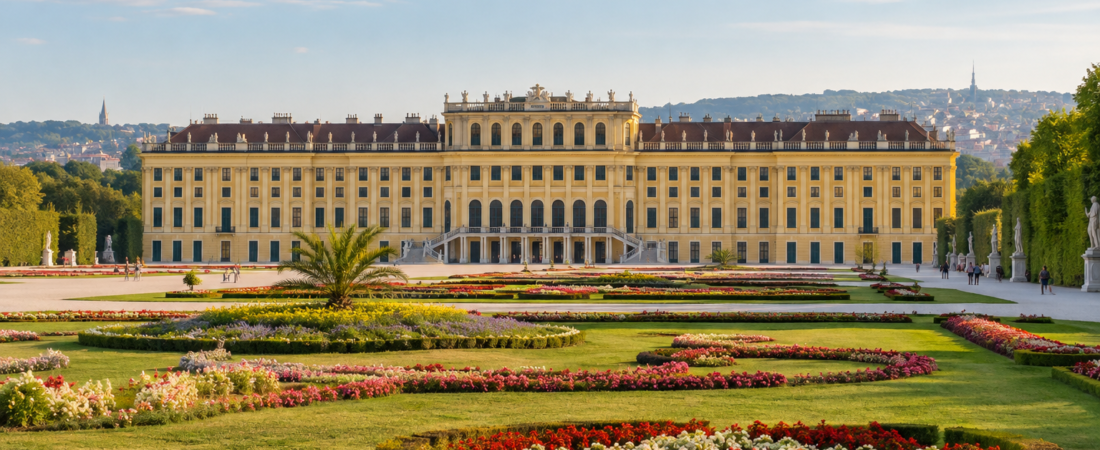
A realistic Vienna travel budget ranges from approximately €80 to €140 per person per day for a careful budget trip, €170 to €300 for a comfortable mid-range visit and more than €350 for a higher-end experience.
These estimates include accommodation calculated per person, meals, local transport and some sightseeing. Flights, travel insurance, shopping and journeys outside Vienna are not included.
Couples sharing a room often spend less per person than solo travellers. Families may reduce costs by booking an apartment, using public transport passes and selecting a combination of paid and free attractions.
Prices in this guide are planning estimates based on costs available in September 2026. Accommodation rates and attraction prices can change considerably, so confirm current totals before booking.
Price note: All prices in this article are approximate and were checked at the time of publication. Prices may change.
Read our complete Vienna travel guide for help planning attractions, transport and neighbourhoods.
Average Vienna Travel Budget
| Travel style | Estimated daily cost per person |
|---|---|
| Backpacker or careful budget | €80–€140 |
| Comfortable mid-range | €170–€300 |
| Higher-end | €350 or more |
The lower end assumes hostel accommodation or an inexpensive shared room, supermarket food, public transport and mostly free activities.
A mid-range budget allows for a shared hotel room, restaurant meals, public transport and 1 or 2 paid attractions each day.
Higher-end travellers may choose luxury hotels, fine dining, taxis, premium concert seats and several admission tickets.
Vienna Budget for 3 Days
A 3-day trip may cost approximately:
| Travel style | 3-day estimate per person |
|---|---|
| Budget | €240–€420 |
| Mid-range | €510–€900 |
| Higher-end | €1,050 or more |
These totals exclude flights and assume that accommodation costs are divided per person where a room is shared.
A solo traveller paying the full price of a hotel room should budget more. Visitors staying with friends or using reward points may spend considerably less.
Our 3 days in Vienna itinerary provides a practical sightseeing route that can be adjusted for different budgets.
Accommodation Costs in Vienna
Accommodation is usually the largest part of a Vienna travel budget.
Prices depend on season, district, property quality, room size and proximity to public transport. Rates increase during summer, December, New Year, major conferences and important cultural events.
Approximate nightly planning ranges include:
| Accommodation type | Estimated nightly cost |
|---|---|
| Hostel dormitory bed | €30–€60 |
| Basic private room | €70–€130 |
| Mid-range double room | €130–€230 |
| Upper mid-range hotel | €220–€350 |
| Luxury hotel | €350 or more |
| Apartment | €100–€250+ |
These are broad estimates rather than guaranteed rates. Central accommodation can exceed these ranges during high-demand periods.
How to Save on Accommodation
Book several months ahead for summer and December.
Properties outside the Innere Stadt often provide better value while remaining connected by underground or tram. Leopoldstadt, Landstrasse, Mariahilf and locations along direct transport routes can be practical alternatives.
Compare the complete price, including taxes, breakfast, cleaning fees and cancellation conditions.
A cheaper distant hotel may not represent good value if it requires complicated daily journeys or regular taxis.
Our guide to where to stay in Vienna compares eight areas for different travel styles.
Food Costs in Vienna
Vienna offers everything from supermarkets and bakery counters to historic coffee houses and fine-dining restaurants.
A reasonable daily food allowance is:
| Food expense | Estimated cost |
|---|---|
| Bakery or simple breakfast | €5–€12 |
| Coffee-house breakfast | €12–€25 |
| Quick lunch | €8–€16 |
| Casual restaurant lunch | €15–€28 |
| Mid-range dinner | €25–€50 |
| Fine-dining meal | €70+ |
| Coffee and cake | €8–€16 |
| Street-food snack | €5–€10 |
Drinks, service arrangements and central locations can increase the final bill.
Budget Food Strategy
Purchase breakfast from a bakery or supermarket and reserve restaurant spending for one main meal.
Lunch specials can cost less than evening menus. Markets and casual takeaway businesses provide additional options, although tourist-oriented market restaurants are not automatically inexpensive.
Sausage stands offer quick meals, while supermarkets are useful for drinks, fruit, snacks and picnic supplies.
Carry a reusable bottle rather than purchasing drinks throughout the day.
Public Transport Costs
Vienna’s underground, tram and bus network is generally the most economical way to travel around the city.
As of September 2026, the standard 24-hour Vienna public transport ticket costs €10.20. The seven-day Vienna ticket costs €28.90.
The previous 48-hour and 72-hour Vienna tickets are no longer part of the standard fare range, so visitors should compare currently available products rather than relying on older travel guides.
Paper tickets may need validation before use. Digital tickets follow their stated activation conditions.
Which Transport Ticket Offers the Best Value?
The right ticket depends on the length of your stay and how frequently you travel.
A 24-hour ticket can be useful for a transport-heavy day involving Schönbrunn, Belvedere and the Prater. Travellers staying close to the historic centre may walk extensively and use fewer individual journeys.
The seven-day ticket may still provide value during a shorter visit when the alternative would be several daily or individual tickets.
Calculate expected journeys before purchasing a pass.
Airport Transport Costs
Vienna International Airport lies outside the standard central city transport area.
The S7 suburban railway and Railjet services usually provide economical airport connections. The dedicated City Airport Train is faster on certain journeys but costs more than ordinary public transport options.
Airport buses and taxis provide alternatives for late arrivals, groups or travellers with substantial luggage.
Check whether your ticket includes the complete journey because central Vienna passes do not automatically cover every airport segment.
Attraction Costs
Paid palaces and museums can significantly increase a Vienna travel budget.
Current adult prices in September 2026 include approximately:
| Attraction | Indicative adult price |
|---|---|
| Schönbrunn Palace Ticket | €42 |
| Schönbrunn Classic Pass | €49 |
| Upper Belvedere | €23 |
| Upper and Lower Belvedere combination | €32 |
| Belvedere three-location combination | €34 |
Prices, ticket names and included areas may change. Schönbrunn also states that some tickets are subject to seasonal price changes.
Other museums, towers, performances and guided tours require separate budgets.
How Much to Allow for Attractions
A budget visitor can allow €10–€25 per day by choosing occasional paid sights and using free public spaces.
A mid-range visitor should consider €30–€60 per day for 1 or 2 significant attractions.
Museum enthusiasts visiting several collections may spend €60 or more per day before food and transport.
Do not purchase admission simply because an attraction is famous. Select palaces and museums that match your interests.
Free Things to Do in Vienna
Vienna provides many free activities that can balance expensive museum and palace tickets.
Options include:
- Walking through the historic centre
- Exploring Hofburg courtyards
- Seeing St Stephen’s Cathedral from Stephansplatz
- Walking along the Ringstrasse
- Visiting Stadtpark
- Exploring the Prater grounds
- Walking beside the Danube Canal
- Entering Schönbrunn Palace Park
- Exploring Belvedere’s public gardens
- Visiting the grounds around Vienna City Hall
- Walking through Naschmarkt
- Exploring Spittelberg
- Visiting Danube Island
- Walking through Vienna’s vineyard districts
Some locations contain optional paid attractions. For example, the Schönbrunn park is free, but the palace, maze, zoo and specialised garden areas require tickets.
Vienna City Card and Sightseeing Passes
The Vienna City Card combines public transport with discounts at participating attractions, restaurants and other businesses.
A discount card does not automatically provide free entry to every major attraction. Compare the card price with the exact places you plan to visit.
Other sightseeing passes may include entry to multiple attractions but can require an intensive schedule to provide value.
Before buying any pass:
- List the attractions you genuinely intend to visit.
- Check their individual admission prices.
- Review reservation requirements.
- Add the relevant transport cost.
- Compare the total with the pass price.
- Confirm whether airport transport is included.
Avoid purchasing a pass before deciding on your itinerary.
Coffee-House Costs
Vienna’s coffee houses are cultural attractions as well as places to eat and drink.
A coffee with cake may cost approximately €8–€16, depending on the location and selection. A more complete breakfast or lunch will cost more.
Famous historic cafés can have queues and higher prices. Neighbourhood coffee houses may provide a quieter experience and better value.
Check whether table service, cover charges or additional items affect the final bill.
One memorable coffee-house visit may offer better value than visiting a famous café every day.
Concert and Opera Costs
Music expenses vary more widely than most other parts of a Vienna budget.
Premium opera and concert seats can be expensive, while standing places and less prominent performances may provide more affordable alternatives.
Book through official venues or authorised sellers. Tourist-focused concert packages vary in quality and should be checked carefully.
Allow additional money for cloakrooms, programmes, refreshments and transport after evening performances.
Travellers primarily interested in architecture can admire many performance venues from outside without purchasing a ticket.
Nightlife and Drinks
A casual evening drink generally costs less outside the most heavily visited part of the Innere Stadt.
Wine taverns, neighbourhood bars and venues around Neubau, Mariahilf and the Danube Canal provide a range of options.
Set a separate entertainment budget if you expect to visit several bars or clubs. Entry fees, late-night transport and food can increase the total quickly.
Check the price before ordering unfamiliar drinks or large measures.
Shopping and Souvenirs
Shopping is highly personal and should be kept separate from the essential travel budget.
Typical purchases include confectionery, wine, coffee, handmade products, museum-shop items and Christmas decorations.
Markets and souvenir shops near central landmarks may charge higher prices. Compare products before buying and check airline restrictions for liquids, food and fragile items.
Leave space in your luggage rather than paying for additional baggage solely for souvenirs.
Budget for Couples
A couple sharing a mid-range room might spend approximately €300–€500 per day in total.
This may cover:
- One shared hotel room
- Breakfast and casual lunch
- A mid-range dinner
- Public transport
- 1 or 2 paid attractions
- Occasional coffee and cake
Luxury accommodation, premium performances and fine dining can raise the total substantially.
Couples can reduce the per-person accommodation cost by sharing a room, but the final rate depends heavily on season.
Budget for Solo Travellers
Solo travellers generally pay more per person for accommodation because they cannot divide a double-room rate.
Hostels, guesthouses and compact single rooms may help control costs.
A solo mid-range traveller should expect approximately €190–€320 per day, depending on accommodation and sightseeing choices.
Selecting a neighbourhood with restaurants, supermarkets and direct transport can reduce taxi and dining expenses.
Budget for Families
A family’s daily cost depends on the children’s ages, room requirements and chosen attractions.
Family rooms and apartments can provide better value than reserving multiple hotel rooms. A kitchen also reduces breakfast and snack expenses.
Check child ticket rules at every attraction. Age limits and free-admission policies differ.
Schönbrunn’s zoo, children’s museum, maze and palace attractions have separate or combined ticket options, so compare the complete family cost beforehand.
Seasonal Price Differences
Accommodation costs usually rise during:
- Late spring
- Summer
- December
- New Year
- Major conferences
- Festivals and large cultural events
January, February and parts of November may provide better value outside major events.
Weather should also influence the budget. Summer visitors may value air-conditioned accommodation, while winter travellers may spend more on indoor attractions and cafés.
Read our guide to the best time to visit Vienna before selecting travel dates.
Sample Budget Day
A careful mid-range day might include:
| Expense | Example amount |
|---|---|
| Shared mid-range hotel cost per person | €75–€120 |
| Bakery breakfast | €8 |
| Casual lunch | €15 |
| Restaurant dinner | €30 |
| Transport | €10–€15 |
| One paid attraction | €20–€45 |
| Coffee or snack | €10 |
| Daily total | Approximately €168–€243 |
This example is intended for planning rather than as a guaranteed price.
Choosing a free attraction instead of a palace could reduce the total. A premium hotel, concert or expensive dinner would increase it.
How to Save Money in Vienna
Use these practical strategies:
- Stay outside the Innere Stadt near direct public transport.
- Book accommodation early.
- Compare refundable and non-refundable rates carefully.
- Purchase breakfast and snacks from bakeries or supermarkets.
- Look for lunch menus rather than dining out only at night.
- Walk between central attractions.
- Calculate transport journeys before buying a pass.
- Visit one major paid attraction per day.
- Use free palace gardens and public parks.
- Compare city cards against your actual itinerary.
- Carry a reusable water bottle.
- Book through official attraction websites.
- Avoid unverified ticket resellers.
- Separate shopping from the essential daily budget.
- Check cancellation conditions before paying.
How Much Cash Should You Carry?
Cards are widely accepted in Vienna, but carrying a modest amount of cash remains useful for small purchases, markets and establishments with minimum card requirements.
Avoid carrying the full trip budget in cash. Divide payment methods and keep backup cards separately.
Use bank-affiliated cash machines where possible and review the exchange rate before accepting currency-conversion offers.
Austria uses the euro.
Is Vienna Expensive?
Vienna is more expensive than many Central and Eastern European destinations but can be managed without luxury spending.
Accommodation and paid attractions create the largest costs. Public transport is efficient, and many important public spaces are free.
A traveller who stays outside the first district, limits palace tickets and uses bakeries or supermarkets can visit at a moderate cost.
Visitors choosing central luxury accommodation, several museums, formal concerts and restaurant dining should expect a significantly higher budget.
Final Thoughts
Plan approximately €80–€140 per person per day for a careful budget visit, €170–€300 for a comfortable mid-range trip and at least €350 for a higher-end experience.
Accommodation will usually determine the largest portion of the total. Food, transport and attraction costs can then be adjusted according to personal priorities.
Book accommodation early, use Vienna’s public transport and combine selected paid attractions with free parks, gardens and historic streets.
Explore more places through our destinations page or browse our complete collection of itineraries.