
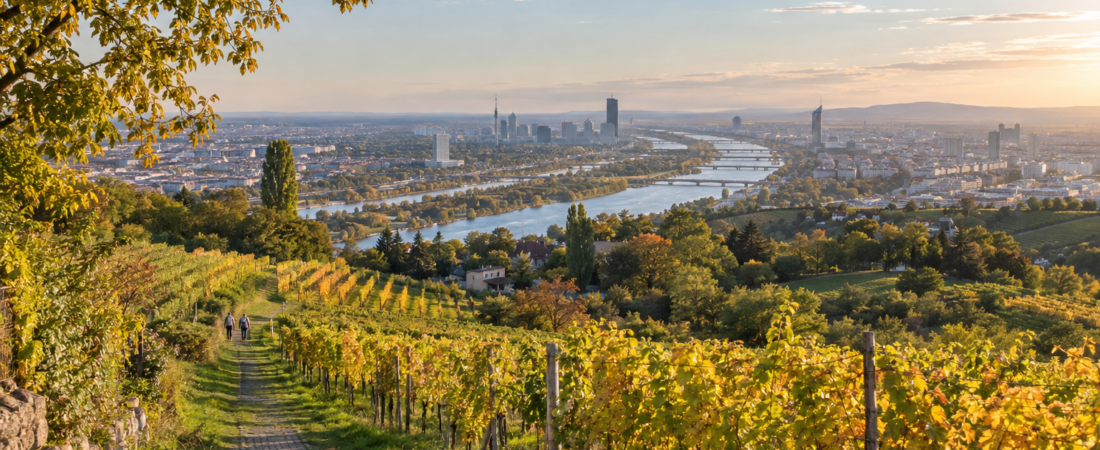
The best time to visit Vienna for comfortable sightseeing is generally late spring or early autumn, particularly May, June, September and early October.
These periods usually provide mild or warm conditions for walking, gardens and outdoor dining without the most intense summer heat. However, Vienna remains a year-round destination, and the right season depends on whether you prioritise pleasant weather, lower prices, cultural performances or Christmas markets.
Summer brings long days and outdoor events, while winter offers festive markets, museums, coffee houses and Vienna’s famous ball season.
This guide compares Vienna’s weather, crowds, prices and seasonal experiences throughout the year.
Start with our complete Vienna travel guide for advice about attractions, food, transport and practical planning.
Best Time to Visit Vienna at a Glance
| Travel priority | Recommended period |
|---|---|
| Comfortable sightseeing | May, June, September and early October |
| Gardens and spring flowers | April and May |
| Warm weather and outdoor events | June to August |
| Lower visitor numbers | January, February and November |
| Christmas markets | Mid-November through December |
| Classical music and opera | Autumn through spring |
| Vineyards and seasonal colour | September and October |
| Potentially lower accommodation prices | January, February and selected November dates |
| Families and school holidays | July and August |
| Museums and indoor attractions | Any season |
Weather can vary considerably from year to year. Check a reliable forecast shortly before departure instead of relying entirely on historical averages.
Vienna’s Climate
Vienna has a temperate climate influenced by both continental and maritime weather patterns.
Winters are generally cold, with average conditions near freezing during the coldest periods. Snow is possible, but visitors should not expect continuous snow cover in the city.
Summers range from warm to hot. Temperatures can reach or exceed 30°C during heatwaves, particularly in July and August.
Spring and autumn provide gradual transitions between these extremes. Conditions can change quickly, so layered clothing remains useful.
Rain is possible throughout the year rather than being limited to one specific season.
Spring in Vienna: March to May
Spring is one of the most attractive seasons for visiting Vienna.
Temperatures gradually rise, daylight increases and the city’s public gardens begin to fill with flowers. Outdoor café seating returns, and walking becomes more comfortable than during winter.
Spring weather can still be unpredictable. Cool mornings, rain and occasional windy conditions may occur even after several warm days.
Vienna in March
March marks the transition from winter to spring.
Early March can remain cold, particularly during mornings and evenings. Later in the month may bring milder afternoons and the first signs of spring in parks.
Crowds are generally manageable outside Easter and major events. Accommodation may offer better value than during late spring.
Pack a warm jacket, waterproof outer layer and shoes suitable for wet streets.
Vienna in April
April brings longer days, flowering trees and increasingly active public spaces.
Temperatures can vary sharply, with sunshine, cool wind and rain sometimes occurring within the same day. Layered clothing is particularly important.
Easter markets and seasonal celebrations may take place during this period, depending on the annual calendar.
Visitor numbers begin to rise, especially during holiday weekends.
Vienna in May
May is one of the best months to visit Vienna.
Parks and palace gardens are usually at their most colourful, while temperatures are generally comfortable for walking. Outdoor dining and cultural events become more prominent.
Demand for accommodation increases compared with early spring. Booking in advance is advisable for weekends and major events.
Carry a light jacket and compact umbrella alongside clothing for warmer afternoons.
Advantages of Visiting in Spring
- Comfortable walking conditions
- Colourful parks and gardens
- Longer daylight hours
- Outdoor café seating
- Seasonal markets and events
- Fewer crowds than peak summer on many dates
Disadvantages of Visiting in Spring
- Changeable weather
- Occasional rain
- Cool evenings
- Higher prices towards late spring
- Busier Easter and holiday periods
Summer in Vienna: June to August
Summer offers long daylight hours, outdoor festivals and lively public spaces.
Visitors can enjoy parks, open-air performances, the Danube, outdoor dining and evening activity along the Danube Canal.
However, Vienna can become hot. Historic buildings, stone streets and public transport may feel uncomfortable during extended periods of high temperature.
Summer is traditionally the city’s busiest travel season, although crowd levels vary between events and school-holiday periods.
Vienna in June
June combines long days with generally pleasant early-summer conditions.
It is a strong month for gardens, walking and outdoor events. Temperatures may already become hot, so plan demanding sightseeing during the morning.
Major festivals and public events can increase demand for accommodation. Check the city calendar before selecting travel dates.
June suits visitors who want summer atmosphere without depending entirely on the hotter conditions of July and August.
Vienna in July
July is commonly warm or hot and offers extensive daylight for sightseeing.
Major attractions, including Schönbrunn Palace and central museums, can become crowded. Reserve timed tickets and visit priority landmarks early.
Carry water, use shaded parks for breaks and avoid planning continuous outdoor walking during the hottest part of the afternoon.
Air conditioning is not universal in older accommodation, so confirm this facility before booking.
Vienna in August
August remains warm and is a popular family-travel period.
Some residents and smaller businesses may take holidays, although major attractions and tourist services continue operating. Check individual restaurant and shop schedules rather than assuming everything will be open.
Heatwaves remain possible. Indoor museums can provide useful afternoon alternatives to exposed sightseeing.
Evenings are well suited to outdoor dining, the Prater and riverside areas.
Advantages of Visiting in Summer
- Long daylight hours
- Outdoor festivals and performances
- Lively parks and riverside areas
- Warm evenings
- Full access to palace gardens
- Suitable conditions for day trips
Disadvantages of Visiting in Summer
- Higher visitor numbers
- Hot weather and occasional heatwaves
- Increased accommodation demand
- Queues at major attractions
- Limited air conditioning in some properties
- Busy public transport during events
Autumn in Vienna: September to November
Autumn begins with mild conditions before becoming cooler and quieter towards November.
September and early October are among the best periods for walking, cultural attractions and excursions to Vienna’s vineyard districts.
The main opera, theatre and concert seasons become increasingly active, while parks and surrounding hills develop autumn colour.
Vienna in September
September is one of the strongest months for a first visit.
Days are often warm without the most persistent summer heat, and evenings become cooler. Major attractions remain active, but family-holiday crowds generally begin to decrease.
Vienna’s vineyards and traditional wine taverns are especially appealing during this period.
Accommodation can still be expensive because of conferences, cultural events and continued visitor demand.
Vienna in October
October brings cooler conditions and increasingly colourful parks.
Early October is usually better for outdoor sightseeing, while later weeks may require warmer clothing and greater flexibility.
Museums, coffee houses and indoor cultural attractions provide convenient alternatives during rainy weather.
Daylight becomes noticeably shorter, so begin outdoor itineraries early.
Vienna in November
November is one of Vienna’s quieter months before the Christmas season fully develops.
Weather is typically cool, grey and occasionally wet. This is a suitable period for museums, concerts and coffee houses rather than garden-focused travel.
Christmas markets generally begin opening from around the middle of November, although dates vary annually.
Accommodation prices may rise once the festive season begins.
Advantages of Visiting in Autumn
- Pleasant September weather
- Autumn colour in parks and vineyards
- Active cultural calendar
- Comfortable conditions for walking
- Fewer family-holiday crowds
- Christmas markets beginning in November
Disadvantages of Visiting in Autumn
- Shorter daylight later in the season
- Increasingly cool conditions
- Rain and grey weather
- High demand during conferences
- Variable garden opening hours
Winter in Vienna: December to February
Winter transforms Vienna into a destination focused on festive events, museums, performances and coffee houses.
Temperatures frequently remain cold, and daylight hours are short. Visitors should prepare for freezing conditions, wind, rain or occasional snow.
The period is not consistently inexpensive. December, New Year and major ball-season dates can attract strong demand.
Vienna in December
December is one of Vienna’s most atmospheric but busiest winter months.
Christmas markets operate across the city, with major locations commonly including Rathausplatz, Schönbrunn, Belvedere and central squares. Opening dates and closing schedules vary each year.
Festive lights, seasonal food and decorated streets create a memorable atmosphere.
Reserve accommodation early and prepare for crowds during evenings and weekends. Christmas Eve and public holidays may bring reduced opening hours.
Vienna in January
January becomes quieter after New Year.
Cold conditions make museums, palaces, concerts and coffee houses particularly attractive. Accommodation may offer better value outside major events.
The ball season is active, and formal events can increase demand on specific dates.
Some outdoor attractions operate reduced hours, while palace gardens remain less colourful than during warmer months.
Vienna in February
February remains cold but gradually gains daylight.
Ball-season events continue, and indoor cultural attractions remain the principal focus. Crowds are normally lower than during December.
Visitors may find better accommodation rates, although school holidays, conferences and special events can affect availability.
Pack insulated clothing, gloves and footwear with reliable grip.
Advantages of Visiting in Winter
- Christmas markets in November and December
- Opera, concerts and ball season
- Fewer visitors in January and February
- Excellent museum conditions
- Atmospheric coffee houses
- Potential accommodation savings outside festive periods
Disadvantages of Visiting in Winter
- Cold weather
- Short daylight hours
- Occasional snow, rain and icy surfaces
- Reduced garden appeal
- Festive-season crowds and prices
- Holiday closures or reduced hours
Best Time for First-Time Visitors
May, June, September and early October provide the most balanced conditions for first-time visitors.
These months are generally suitable for walking through the historic centre, exploring Schönbrunn’s gardens and visiting outdoor viewpoints.
September is particularly appealing because it combines mild weather with vineyards, cultural programmes and fewer school-holiday crowds.
Visitors who value Christmas atmosphere more than comfortable outdoor conditions should choose late November or December.
Our 3 days in Vienna itinerary provides a geographically organised route through the city’s major attractions.
Best Time for Lower Prices
January, February and parts of November may offer better accommodation value than late spring, summer and December.
Prices still depend on conferences, exhibitions, concerts, school holidays and major events. Vienna receives business and cultural visitors throughout the year, so there is no guaranteed inexpensive month.
Travelling from Sunday to Thursday may cost less than a weekend stay at some properties.
Compare flexible reservations and check the total cost, including breakfast, taxes and cancellation conditions.
Best Time to Avoid Crowds
January, February and early November usually provide the quietest conditions.
Outdoor attractions may be less appealing during these months, but museums and palaces can be easier to explore.
To reduce crowds during any season:
- Visit major attractions shortly after opening.
- Reserve timed admission in advance.
- Avoid central landmarks during weekend afternoons.
- Explore popular streets early in the morning.
- Visit museums during extended opening hours where available.
- Travel outside school holidays and major events.
Even during quiet months, St Stephen’s Cathedral, the Hofburg and Schönbrunn can attract substantial visitor numbers.
Best Time for Christmas Markets
Travel between mid-November and the days immediately before Christmas for the broadest festive-market selection.
Some markets continue after Christmas, while others close earlier. Annual dates and operating hours must be checked before booking.
December weekends are particularly busy, and central accommodation can become expensive.
A weekday visit usually provides a calmer experience than Friday or Saturday evening.
Pack warm layers because visitors spend considerable time standing outdoors.
Best Time for Classical Music
Vienna offers musical performances throughout the year, but autumn through spring provides the broadest traditional concert, opera and theatre season.
Summer also includes festivals and special programmes, although some institutions follow different schedules or seasonal breaks.
Book priority performances early, especially at internationally recognised venues.
Verify the exact venue when purchasing tickets because concerts marketed to visitors take place in many different halls.
Best Time for Parks and Gardens
April through October is the most suitable period for Vienna’s parks and palace grounds.
May is particularly attractive for spring flowers, while September and October add autumn colour.
Schönbrunn Palace Park remains open throughout the year, but individual attractions and garden features may follow seasonal schedules.
Early morning provides cooler temperatures, softer light and fewer visitors during summer.
Best Time for Vienna’s Vineyards
September and October are excellent months for exploring Vienna’s vineyard districts.
The hills around areas such as Grinzing, Nussdorf and Neustift am Walde provide walking routes, city views and access to traditional wine taverns.
Opening days vary between individual establishments. Check current schedules before travelling specifically to a particular tavern.
Wear appropriate walking shoes because vineyard paths can be uneven or muddy after rain.
Best Time for Families
July and August align with school holidays and provide long days for outdoor activities.
Families can visit Schönbrunn, the Prater, parks and Danube recreation areas. However, hot conditions and queues require careful planning.
May, June and September may be more comfortable when school schedules permit.
Book family rooms early because larger accommodation options are limited compared with standard double rooms.
Month-by-Month Vienna Guide
January
Cold and relatively quiet after New Year. Suitable for museums, coffee houses, concerts and ball-season events.
February
Cold with gradually increasing daylight. Lower crowds are possible, but major events can affect prices.
March
Transitional weather with cool mornings and early signs of spring. A useful month for moderate crowds.
April
Changeable conditions, flowering trees and seasonal events. Carry waterproof clothing.
May
One of the best months for gardens, outdoor sightseeing and comfortable walking.
June
Long days, outdoor events and warm weather. Reserve accommodation around major festivals.
July
Hot and busy, with strong demand at principal attractions. Begin sightseeing early.
August
Warm, active and suitable for families. Confirm air conditioning when booking accommodation.
September
Mild conditions, vineyards and an active cultural calendar make this an excellent month.
October
Cooler weather and autumn colour. Early October is best for outdoor activities.
November
Quiet early in the month before Christmas markets and festive travel begin.
December
Atmospheric Christmas markets, lights and performances, accompanied by cold weather and higher demand.
What to Pack for Vienna
Spring
Bring layers, a waterproof jacket, compact umbrella and comfortable walking shoes.
Summer
Pack lightweight clothing, sun protection, a reusable water bottle and a light layer for evenings. Confirm whether your accommodation has air conditioning.
Autumn
Bring layered clothing, a medium-weight jacket and rain protection. Warmer accessories become useful later in the season.
Winter
Pack an insulated coat, gloves, scarf, hat and footwear suitable for wet or icy surfaces.
Comfortable shoes are essential in every season because Vienna is best explored through a combination of walking and public transport.
Where to Stay in Different Seasons
The Innere Stadt provides convenient access to indoor attractions during cold or wet weather, although prices are generally higher.
Neubau and Mariahilf work well throughout the year because they offer museums, restaurants, shopping and public transport.
Leopoldstadt is particularly attractive during warmer months because of the Prater and nearby green spaces. Hietzing suits spring and summer visitors prioritising Schönbrunn.
Our guide to where to stay in Vienna compares eight practical neighbourhoods for different travellers.
Final Thoughts
Late spring and early autumn offer the best overall balance of comfortable weather, gardens, cultural attractions and manageable crowds in Vienna.
Choose May or June for flowers and long days. Select September or early October for mild weather, vineyards and autumn atmosphere. Visit in December for Christmas markets, or January and February for quieter museum-focused travel.
Whichever season you choose, check current forecasts, event schedules and attraction opening hours shortly before departure.
Explore more places through our destinations page or browse our complete collection of itineraries.