
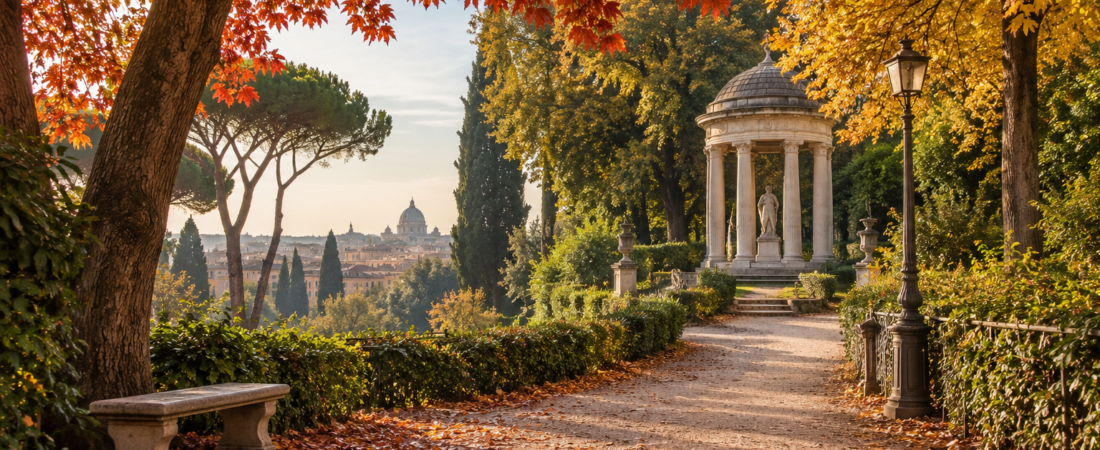
Rome can be visited throughout the year, but each season provides a different experience. Spring and autumn usually offer the most comfortable conditions for sightseeing, while summer brings heat and large visitor numbers. Winter can be quieter and more affordable outside the Christmas and New Year period.
The best time to visit Rome for most travellers is from April to May or from late September to October. These periods generally combine mild weather, longer daylight hours and comfortable conditions for walking.
Before choosing your dates, read our Rome travel guide for information about attractions, transport, accommodation areas and essential local tips.
Best Time to Visit Rome at a Glance
- Best overall: April, May, late September and October
- Best for fewer crowds: January, February and November
- Best for warm weather: June and September
- Best for lower accommodation prices: Winter, excluding Christmas and New Year
- Best for outdoor sightseeing: Spring and autumn
- Hottest period: July and August
Weather patterns and visitor numbers vary each year. Always check the forecast, major events and accommodation availability before booking.
Spring in Rome: March to May
Spring is one of Rome’s most enjoyable seasons. Temperatures gradually become warmer, gardens begin to bloom and longer days provide more time for sightseeing.
March can still bring cool mornings and occasional rain. April and May usually have milder conditions, making them well suited to walking around archaeological sites and public squares.
Visitor numbers increase around Easter and other public holidays. Vatican City and major churches can become particularly busy during important religious celebrations.
Book accommodation and major attractions early if travelling between April and May.
Advantages:
- Comfortable sightseeing temperatures
- Longer daylight hours
- Parks and gardens in bloom
- Excellent conditions for walking
Disadvantages:
- Increasing visitor numbers
- Higher accommodation prices
- Busy Easter period
- Possibility of spring rain
Summer in Rome: June to August
Summer brings long, bright days and a lively evening atmosphere. Restaurants remain busy late into the evening, while concerts and outdoor events take place across the city.
However, July and August can become extremely hot. Walking around exposed archaeological sites during the afternoon may be uncomfortable, particularly at the Roman Forum and Palatine Hill.
Start sightseeing early, take a long midday break and continue exploring in the evening. Choose accommodation with reliable air conditioning and carry water and sun protection.
August has traditionally been a holiday period for many residents, so some independent businesses may close temporarily. Tourist attractions and central restaurants generally remain active.
Advantages:
- Long daylight hours
- Lively evenings
- Outdoor cultural events
- Consistently warm weather
Disadvantages:
- Intense heat
- Busy major attractions
- Higher accommodation demand
- Limited shade at archaeological sites
Autumn in Rome: September to November
Autumn is another excellent season for visiting Rome. September often remains warm, while October usually provides more comfortable temperatures for long walks.
Late September and October offer a good balance between pleasant weather and manageable sightseeing conditions. Visitor numbers can remain high, so advance reservations are still important.
November is cooler and generally quieter, but rain becomes more likely. Travellers who do not mind changeable weather may find better accommodation value during this period.
Advantages:
- Comfortable temperatures
- Warm evenings in September
- Attractive autumn colours
- Fewer visitors later in the season
Disadvantages:
- September can remain crowded
- Rain becomes more likely in November
- Shorter daylight hours later in autumn
Winter in Rome: December to February
Winter is Rome’s quietest season outside the Christmas and New Year holidays. Temperatures are cooler, but severe cold is uncommon, making daytime sightseeing possible with suitable clothing.
January and February are good choices for travellers who prioritise museums, restaurants and fewer crowds. Accommodation prices may also be lower than during spring and early autumn.
December brings festive decorations and religious celebrations. The period around Christmas and New Year can be busy, especially near Vatican City and central public squares.
Some attractions operate shorter winter hours, so check schedules carefully.
Advantages:
- Fewer tourists outside the holidays
- Potentially lower hotel prices
- Easier restaurant reservations
- Comfortable conditions for museums
Disadvantages:
- Shorter daylight hours
- Cooler and wetter conditions
- Reduced opening hours at some sites
- Busy Christmas and New Year period
Rome Month-by-Month
January
January is cool and comparatively quiet after the New Year holiday. It is suitable for museums, churches and less crowded sightseeing.
February
February remains part of the quieter season. Expect cool weather and occasional rain, but popular attractions are generally easier to visit.
March
Spring begins to arrive in March. Temperatures become milder, although travellers should pack layers and rain protection.
April
April is one of the most attractive months for Rome. Weather is usually comfortable, but Easter celebrations can bring significant crowds.
May
May offers warm days without the strongest summer heat. Demand is high, so reserve accommodation and attractions in advance.
June
June brings long days and increasingly warm weather. Begin outdoor sightseeing early before afternoon temperatures rise.
July
July is hot and busy. Air-conditioned accommodation, sun protection and a slower afternoon schedule are important.
August
August remains extremely warm. Some local businesses may close for holidays, while major tourist sites continue to attract visitors.
September
September is warm and popular. The later part of the month can provide more comfortable conditions than midsummer.
October
October is one of the best months for walking and outdoor sightseeing. Pack a light jacket and prepare for occasional rain.
November
November is cooler, wetter and generally less crowded. It can offer better value for flexible travellers.
December
December combines cool weather with festive lights and Christmas celebrations. Book early if visiting during the holiday period.
When Is Rome Least Crowded?
January, February and November generally provide the best opportunity to experience Rome with fewer visitors. Early mornings are still the quietest time at famous outdoor locations throughout the year.
Crowds increase during Easter, summer holidays, Christmas and major public or religious events.
When Is Rome Most Affordable?
Winter commonly offers better accommodation value, particularly during January and February. Prices can rise significantly around Christmas, New Year and special events.
Travelling during the middle of the week and booking accommodation with flexible cancellation may help reduce costs.
What Should You Pack for Rome?
Spring and autumn visitors should bring comfortable walking shoes, light layers and a compact rain jacket. Summer requires breathable clothing, sunscreen, a hat and a refillable water bottle.
Winter travellers should pack a warm jacket, layers and rain protection. Respectful clothing covering shoulders and knees may be required when entering religious sites in any season.
Final Recommendation
For the best balance of weather and sightseeing conditions, visit Rome in April, May, late September or October. Choose winter for fewer crowds and possible savings, or summer if you enjoy hot weather and lively evenings.
Once your travel dates are selected, follow our 3 days in Rome itinerary to organise the Colosseum, Vatican City and Historic Centre into an efficient first-time visit.