
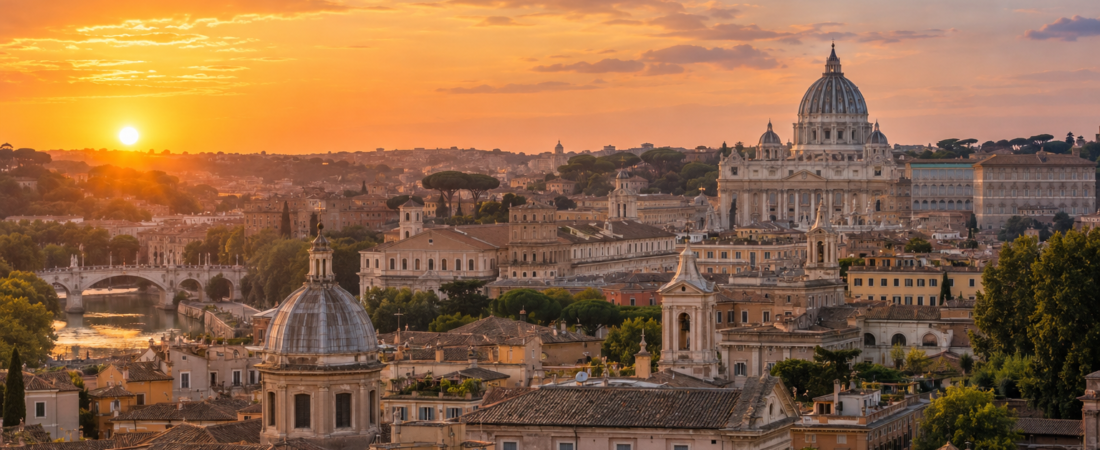
Rome is filled with ancient ruins, artistic masterpieces, lively public squares and atmospheric neighbourhoods. Although the city deserves a longer visit, three days provides enough time to experience its essential attractions without making every day feel rushed.
This 3 days in Rome itinerary groups nearby attractions together, helping first-time visitors spend less time travelling and more time exploring.
Before organising your visit, read our Rome travel guide for advice about accommodation areas, public transport and essential local tips.
Top Tours & Experiences in Rome
Discover popular Rome tours and experiences. Check current availability, ratings and prices before you book.
Affiliate disclosure: If you book through these links, we may earn a commission from Viator. This does not increase the price you pay.
3 Days in Rome at a Glance
- Day 1: Colosseum, Roman Forum, Palatine Hill and Monti
- Day 2: Vatican Museums, St Peter’s Basilica and Trastevere
- Day 3: Trevi Fountain, Spanish Steps, Pantheon and Piazza Navona
Reserve the Colosseum and Vatican Museums in advance. Entrance arrangements and opening hours can change, so confirm the latest information on the official websites before visiting.
Day 1: Ancient Rome and Monti
Morning: Colosseum
Begin your first day at the Colosseum,n, Rome’s most recognisable ancient monument. Arriving early provides more time to explore and may help you avoid the busiest part of the day.
Entry uses a reserved time slot,n, so book before your trip. Allow approximately one to two hours,n for the Colosseum, depending on your ticket and chosen areas.
Late Morning: Roman Forum
Walk from the Colosseum to the Roman Forum, once the political, commercial and religious centre of ancient Rome. The archaeological area contains temples, public buildings and triumphal arches.
The site is extensive and has limited shade. Carry water, wear comfortable footwear and allow at least 90 minutes for your visit.
Afternoon: Palatine Hill
Continue to Palatine Hill, traditionally regarded as the birthplace of Rome. From its elevated position, you can enjoy views across the Roman Forum and Circus Maximus.
Because the Forum and Palatine form part of the same archaeological area, plan your route carefully before leaving.
Evening: Monti
Spend the evening in Monti, a neighbourhood close to the Colosseum. Explore its streets, relax in Piazza della Madonna dei Monti and choose a local restaurant for dinner.
Monti is convenient after a long sightseeing day because you can reach it easily from the ancient sites.
Day 2: Vatican City and Trastevere
Morning: Vatican Museums and Sistine Chapel
Start early at the Vatican Museums. Its enormous collection includes classical sculpture, Renaissance artwork, decorated galleries and the Sistine Chapel.
Purchase tickets only through the official Vatican Museums portal or another authorised seller. Allow approximately three hours, although art enthusiasts may want longer.
Visitors must follow the dress requirements, and comfortable footwear is important because the museum route involves considerable walking.
Afternoon: St Peter’s Basilica
After leaving the museums, continue to St Peter’s Square and St Peter’s Basilica. Entry to the basilica is generally free, but queues may form for security screening.
Inside, visitors can see its vast interior, important artworks and religious monuments. An optional ticketed climb to the dome offers panoramic views over Vatican City and Rome.
Check the schedule before visiting because religious ceremonies can affect access.
Late Afternoon: Castel Sant’Angelo and the River
Walk towards Castel Sant’Angelo and cross the nearby bridge for attractive views of the building and the River Tiber. If your schedule allows, you can purchase a ticket to explore the museum.
Otherwise, continue along the river before travelling to Trastevere.
Evening: Trastevere
Finish your second day in Trastevere. Its narrow streets, old buildings, restaurants and small squares create one of Rome’s most enjoyable evening atmospheres.
Walk around Piazza di Santa Maria, explore the surrounding lanes and enjoy a relaxed dinner. Restaurants in the busiest squares can be expensive, so consider the quieter nearby streets.
Day 3: Historic Centre Highlights
Early Morning: Trevi Fountain
Visit the Trevi Fountain early in the morning, when the area is normally less crowded. Take time to admire the surrounding architecture while respecting the barriers and current visitor rules.
Access arrangements have changed in recent years, so check the official Rome tourism website before your visit.
Morning: Spanish Steps
Walk from the Trevi Fountain to the Spanish Steps. The staircase connects Piazza di Spagna with the Trinità dei Monti church and is surrounded by historic streets and shops.
Sitting on the steps is restricted, but visitors can walk through the area and enjoy the view from the top.
Late Morning: Villa Borghese
Continue towards Villa Borghese for a break from the busy city streets. This extensive public park offers walking paths, gardens and viewpoints.
If you want to visit the Borghese Gallery, reserve a timed ticket well in advance. Otherwise, enjoy a free walk through the park.
Afternoon: Pantheon
Head towards the Pantheon, one of Rome’s best-preserved ancient buildings. Its vast dome and central opening demonstrate the remarkable engineering skills of ancient Rome.
Allow additional time to explore the narrow streets and smaller churches surrounding the monument.
Late Afternoon: Piazza Navona
Walk to Piazza Navona, famous for its Baroque fountains and elegant architecture. The square is especially attractive during the late afternoon and early evening.
From here, you can explore Campo de’ Fiori or continue through the Historic Centre.
Evening: Final Roman Dinner
End your three days in Rome with a relaxed Italian dinner. Try traditional Roman dishes such as cacio e pepe, carbonara, amatriciana or saltimbocca.
Avoid choosing a restaurant solely because it overlooks a famous landmark. Streets slightly away from the busiest attractions often provide a more relaxed experience.
Where to Stay for This Rome Itinerary
The Historic Centre is convenient for reaching the third-day attractions on foot. Monti works well for visitors prioritising the Colosseum, while Prati provides easy access to Vatican City.
Trastevere suits travellers interested in restaurants and evening atmosphere. The Termini area can be useful for airport connections and train travel, but research the exact street before booking.
Tips for Spending 3 Days in Rome
- Book the Colosseum and Vatican Museums before travelling.
- Start each day early to avoid some of the largest crowds.
- Wear comfortable shoes suitable for cobbled streets.
- Carry water, especially during warmer months.
- Leave time between major attractions for security checks and queues.
- Follow dress requirements when visiting religious buildings.
- Keep valuables secure in crowded places and on public transport.
- Check official websites for current opening times and access rules.
Book Your Rome Experiences
Ready to start planning? Compare popular Rome tours and activities, check current prices and availability, and book the experiences that suit your trip.
Affiliate disclosure: If you book through these links, we may earn a commission from Viator. This does not increase the price you pay.
Is 3 Days in Rome Enough?
Three days is enough for Rome’s principal ancient landmarks, Vatican City and the highlights of the Historic Centre. However, the schedule will remain fairly active.
A fourth or fifth day would provide more time for museums, food experiences, neighbourhood walks or a day trip. For a first visit, this three-day route offers a balanced introduction to the history, architecture and everyday atmosphere of Rome.