
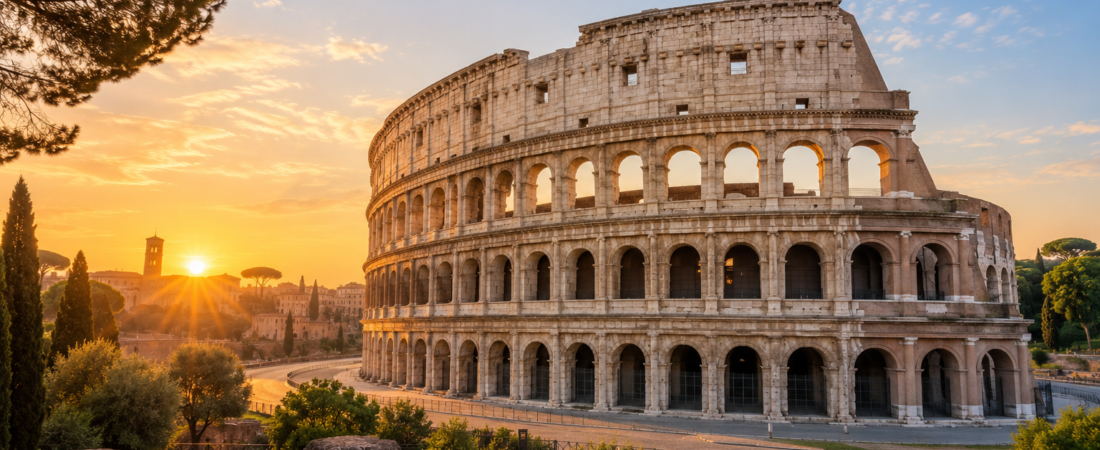
Rome combines ancient monuments, lively neighbourhoods, impressive churches, beautiful public squares and some of Italy’s most celebrated food. Whether you are planning a short city break or including Rome in a longer Italian holiday, careful planning will help you experience more without feeling rushed.
This Rome travel guide covers the city’s essential attractions, the best areas to stay, transportation options and useful advice for first-time visitors.
Why Visit Rome?
Rome feels like an open-air museum, with historic landmarks appearing around almost every corner. Visitors can explore the remains of the Roman Empire, admire Renaissance and Baroque architecture, visit Vatican City and enjoy traditional Italian dishes in atmospheric neighbourhoods.
The city offers something for history enthusiasts, art lovers, food travellers, couples and families. Many famous squares, fountains, churches and neighbourhoods can also be explored without an admission fee.
Top Tours & Experiences in Rome
Discover popular Rome tours and experiences. Check current availability, ratings and prices before you book.
Affiliate disclosure: If you book through these links, we may earn a commission from Viator. This does not increase the price you pay.
Top Attractions in Rome
Colosseum
The Colosseum is Rome’s most recognisable landmark and one of the world’s most famous ancient structures. A standard visit can be combined with the nearby Roman Forum and Palatine Hill.
Reserve your entry time in advance, particularly during weekends and the main tourist season. Always check the official website for current ticket options and access arrangements.
Roman Forum and Palatine Hill
The Roman Forum was once the political, religious and commercial centre of ancient Rome. Its ruins include temples, arches and important public buildings.
Palatine Hill overlooks the Forum and provides impressive views of the surrounding archaeological area. Allow several hours if you plan to explore all three ancient sites together.
Vatican Museums and Sistine Chapel
The Vatican Museums contain extensive collections of art and historic objects assembled over centuries. The visit culminates in the Sistine Chapel, renowned for Michelangelo’s frescoes.
Tickets should be purchased through the official Vatican Museums website. Booking ahead can help you secure a suitable entrance time and avoid unofficial ticket sellers.
St Peter’s Basilica
St Peter’s Basilica is one of the most important churches in the world. Entry to the basilica is generally free, although visitors should expect security screening and follow the dress requirements.
An optional climb to the dome provides panoramic views over Vatican City and Rome.
Pantheon
The Pantheon is among the best-preserved monuments from ancient Rome. Its enormous concrete dome and central opening remain remarkable examples of Roman engineering.
The surrounding streets also contain cafés, churches and attractive public squares that are easy to explore on foot.
Trevi Fountain
The Trevi Fountain is especially beautiful early in the morning or after sunset. It becomes extremely busy during popular visiting hours, so arrive early if you want a quieter experience.
Access rules can change, so check the official Rome tourism website before visiting.
Piazza Navona
Piazza Navona is known for its fountains, Baroque architecture and lively atmosphere. It is an excellent place for an evening walk and can easily be combined with the Pantheon and Campo de’ Fiori.
Trastevere
Trastevere is a characterful neighbourhood filled with narrow streets, traditional buildings, restaurants and small public squares. Visit during the day for a relaxed walk or in the evening for its lively dining atmosphere.
Where to Stay in Rome
Historic Centre
The Historic Centre is convenient for first-time visitors who want to walk to major attractions. Accommodation can be expensive, but the central location may reduce the need for daily transport.
Monti
Monti is close to the Colosseum and offers a mixture of restaurants, cafés and boutique accommodation. It is a practical choice for visitors interested in ancient Rome.
Trastevere
Trastevere is suitable for travellers who prefer attractive streets, restaurants and evening activity. Some parts can become noisy, so check recent accommodation reviews before booking.
Prati
Prati is located near Vatican City and generally has a quieter, more organised atmosphere. It is well connected by public transport and offers a range of hotels and restaurants.
Termini
The area around Roma Termini station is convenient for airport connections, trains and public transport. Accommodation is often comparatively affordable, but the atmosphere varies between streets, so choose the exact location carefully.
Getting Around Rome
Central Rome is best explored using a combination of walking and public transport. Many major attractions are reasonably close together, although uneven pavements and cobbled streets make comfortable footwear essential.
Rome’s public transportation network includes metro services, buses and trams. Tickets must be purchased and validated according to the current rules. Taxis should be taken from official ranks or booked through recognised services.
Best Time to Visit Rome
Spring and autumn generally offer comfortable sightseeing weather, although these periods can still attract substantial crowds. Summer brings long daylight hours but can be very hot, while winter is cooler and often quieter outside the Christmas and New Year period.
Always check the weather forecast and any major religious celebrations or public events before choosing your dates.
Essential Rome Travel Tips
- Reserve popular attractions in advance.
- Wear comfortable footwear for long walks and cobbled streets.
- Carry a refillable water bottle and use Rome’s public drinking fountains where permitted.
- Dress respectfully when entering churches and religious sites.
- Keep valuables secure in crowded tourist areas and on public transport.
- Avoid restaurants immediately beside major landmarks when looking for better value.
- Confirm opening hours and ticket conditions on official websites before visiting.
How Many Days Do You Need in Rome?
Three days provides enough time to see Rome’s principal landmarks, including the Colosseum, the Historic Centre and Vatican City. Four or five days allows a more relaxed schedule, additional museums and time to explore neighbourhoods such as Trastevere.
First-time visitors should avoid scheduling too many major ticketed attractions on the same day. Rome is most enjoyable when there is also time for unplanned walks, local meals and quiet public squares.
A Simple 3-Day Rome Plan
Day 1: Explore the Colosseum, Roman Forum, Palatine Hill and Monti.
Day 2: Visit Vatican City, St Peter’s Basilica, the Vatican Museums and Trastevere.
Day 3: Walk through the Historic Centre to see the Pantheon, Piazza Navona, Trevi Fountain and Spanish Steps.
Rome rewards visitors who explore slowly. With advance reservations for major attractions and a sensible daily route, you can experience its history, food and neighbourhoods without making the trip unnecessarily stressful.
Book Your Rome Experiences
Ready to start planning? Compare popular Rome tours and activities, check current prices and availability, and book the experiences that suit your trip.
Affiliate disclosure: If you book through these links, we may earn a commission from Viator. This does not increase the price you pay.
Explore more destinations and practical planning advice in our Travel Guides.