
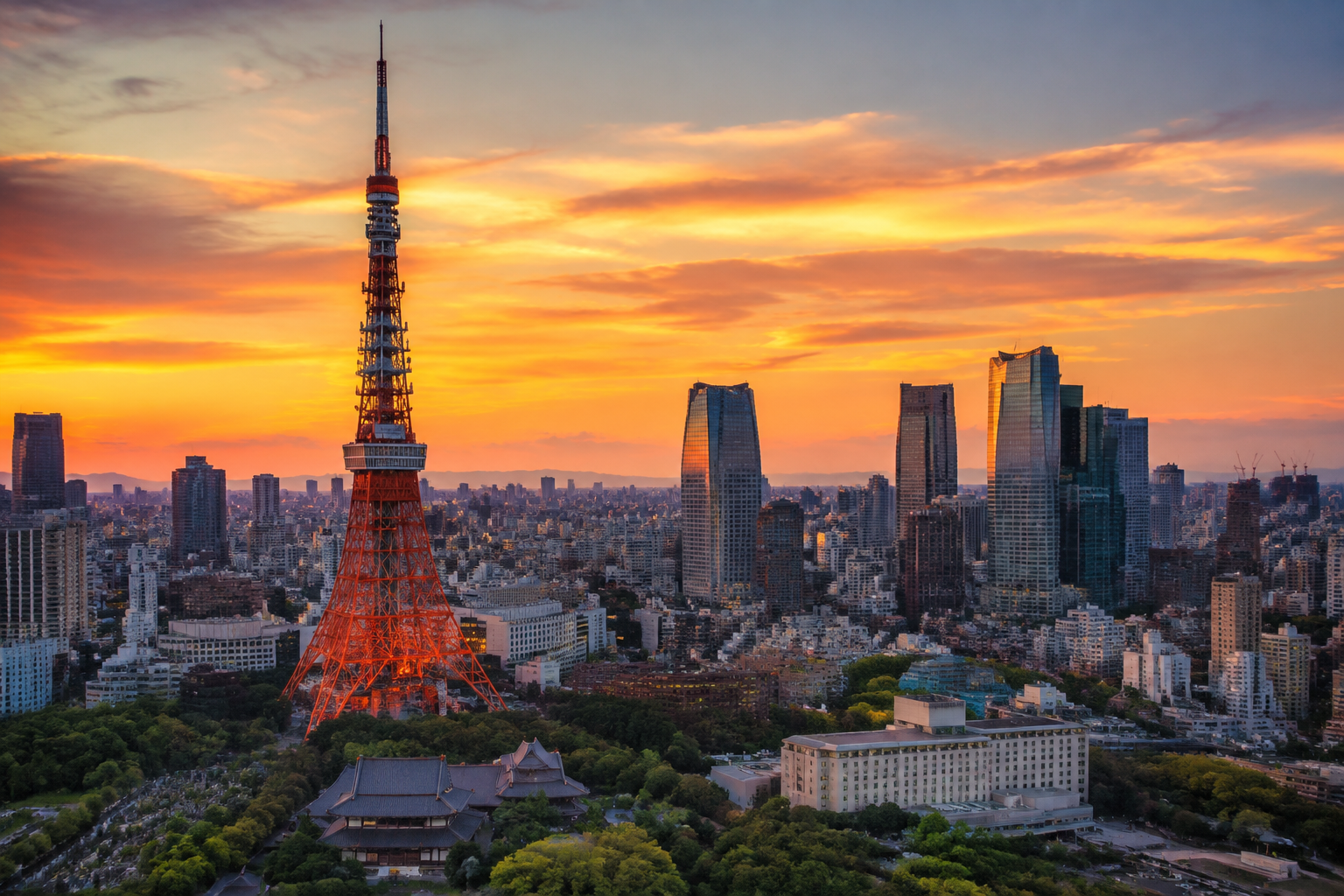
Tokyo combines historic temples, peaceful shrines and traditional neighborhoods with skyscrapers, digital entertainment, fashion and one of the world’s most extensive rail networks. First-time visitors can explore Asakusa in the morning, shop in Ginza during the afternoon and experience Shibuya or Shinjuku after dark.
This Tokyo travel guide covers the city’s essential attractions, best neighborhoods, transport, food, costs and practical advice to help you organize a rewarding first visit.
Price note: All prices in this article are approximate and were checked at the time of publication. Prices may change.
Tokyo at a Glance
- Country: Japan
- Currency: Japanese yen
- Language: Japanese
- Typical visit: Three to five days
- Main airports: Haneda and Narita
- Best overall seasons: Spring and autumn
- Public transport: JR trains, Tokyo Metro, Toei Subway, buses and private railways
- Best for: Food, culture, shopping, technology, anime and urban exploration
- Emergency numbers: 110 for police and 119 for fire or ambulance
Tokyo is enormous, but visitors do not need to understand the entire metropolis. Organize each day around two or three neighboring districts and use trains between areas.
Top Tours & Experiences in Tokyo
Discover popular Tokyo tours and experiences. Check current availability, ratings and prices before you book.
Affiliate disclosure: If you book through these links, we may earn a commission from Viator. This does not increase the price you pay.
Top Attractions in Tokyo
Sensō-ji and Asakusa
Sensō-ji is Tokyo’s oldest Buddhist temple and the center of the historic Asakusa district. Enter through Kaminarimon Gate and walk along Nakamise-dori toward the main temple.
Access to the primary temple grounds is free. Shops along Nakamise sell snacks, crafts and souvenirs. Visit early in the morning for a quieter atmosphere; many shops open later.
Continue to Sumida Park for river views and photographs of Tokyo Skytree.
Meiji Jingu
Meiji Jingu is a major Shinto shrine surrounded by forest beside Harajuku. Visitors walk beneath enormous torii gates before reaching the central shrine buildings.
General access to the principal grounds is free. The inner garden and museum are optional paid attractions.
Follow shrine etiquette: cleanse your hands where facilities are open, avoid walking directly through the center of a torii gate and remain respectful around ceremonies.
Shibuya Crossing
Shibuya Scramble Crossing represents Tokyo’s modern energy. The intersection is free to experience, and surrounding streets contain fashion, entertainment and restaurants.
Visit the Hachikō statue beside the station before crossing. Avoid stopping in the center for photographs because pedestrians move in several directions simultaneously.
Shibuya Sky
Shibuya Sky is an open-air observation experience approximately 229 meters above the city. Sunset tickets are popular and can sell out.
Current adult counter prices are approximately ¥3,000 for entry by 3:00 p.m. and ¥3,700 for later admission. Online pricing and availability can differ. Strong wind or rain may close outdoor sections even when indoor areas remain accessible.
Tokyo Skytree
Tokyo Skytree rises 634 meters above eastern Tokyo. Its observation decks provide expansive views, while Tokyo Solamachi below contains shops, restaurants and an aquarium.
Ticket prices depend on the observation level, date and booking method. Official packages currently begin around ¥3,300 for adults, with combination tickets costing more. Reserve through the official ticket office and check the selected product carefully.
Travelers who only want photographs can view the tower free from Sumida Park and surrounding streets.
Shinjuku
Shinjuku combines business towers, department stores, restaurants and nightlife. The Tokyo Metropolitan Government Building offers free city views from its observation areas when open.
After dark, explore Omoide Yokocho, Kabukichō or the streets around Shinjuku Station. Golden Gai contains very small bars that may charge seating fees; check before entering.
Shinjuku Station is extremely large. Follow signs for the specific exit rather than relying only on a map pin.
Tsukiji Outer Market
Although wholesale seafood operations moved to Toyosu, Tsukiji Outer Market remains active with seafood stalls, restaurants, kitchenware and specialty food shops.
Visit during the morning because many businesses close in the afternoon. Walk carefully, avoid blocking narrow routes and eat beside the stall where requested rather than moving through crowds with food.
Imperial Palace East Gardens
The Imperial Palace occupies the former site of Edo Castle. The East Gardens contain stone walls, lawns and seasonal plants and are normally free when open.
Closing days and admission arrangements can change, so check the Imperial Household Agency’s official calendar. The Nijubashi Bridge viewpoint and outer moats can be seen without entering the gardens.
Ueno
Ueno Park contains major museums, temples, Shinobazu Pond and open public areas. Entry to the park is free, but museums and the zoo charge separately.
Nearby Ameyoko is a lively shopping street with food stalls, discount stores and casual restaurants. Ueno is especially busy during cherry-blossom season.
Odaiba
Odaiba is a modern waterfront district in Tokyo Bay. Public promenades offer views of Rainbow Bridge, the skyline and a replica Statue of Liberty.
Shopping centers, museums and entertainment venues charge individually, but walking along the waterfront is free. Rainbow Bridge also has a pedestrian route operating during designated hours, subject to weather and maintenance.
Best Areas to Stay
Shinjuku
Shinjuku is one of the most convenient bases for first-time visitors because it has extensive transport, accommodation, shopping and dining. Its size and nightlife can feel overwhelming, so check the exact station exit nearest your hotel.
Shibuya
Shibuya suits travelers wanting fashion, entertainment and late-night activity. It provides easy access to Harajuku, Ebisu and western Tokyo but is generally expensive.
Asakusa
Asakusa offers temples, traditional streets and a quieter evening atmosphere. Accommodation can provide better value, although journeys to Shinjuku and Shibuya take longer.
Ueno
Ueno is useful for museums, affordable restaurants and connections to northern Tokyo and Narita Airport. It is a practical option for families and budget-conscious travelers.
Tokyo Station and Ginza
This polished central area provides convenient Shinkansen connections, luxury shopping and excellent restaurants. Accommodation is usually expensive, but transport access is exceptional.
Compare these districts in our detailed guide to where to stay in Tokyo.
Getting Around Tokyo
Tokyo’s rail system is operated by several companies, including JR, Tokyo Metro, Toei Subway and private railways. A route may involve more than one operator and therefore separate fare calculations.
IC Cards
Rechargeable IC cards such as Suica and PASMO simplify travel. Tap at the entrance and exit gates, and the correct stored-value fare is deducted automatically.
IC cards can also be used at many convenience stores, vending machines and lockers. They provide convenience rather than an automatic fare discount.
Tokyo Metro Fares
Regular Tokyo Metro tickets currently range from ¥180 to ¥330, depending on distance.
Eligible visitors can purchase Tokyo Subway Tickets covering both Tokyo Metro and Toei Subway:
- 24 hours: ¥1,000 for adults
- 48 hours: ¥1,500
- 72 hours: ¥2,000
These passes do not cover JR or every private railway. Compare the route coverage with your itinerary before purchasing.
Train Etiquette
Queue at marked platform positions, allow passengers to exit first and keep conversations quiet. Phone calls are discouraged inside trains.
Priority seats should remain available for passengers who need them. Avoid taking large luggage onto crowded commuter services when possible.
Most trains stop operating around midnight. A late-night taxi across Tokyo can be expensive, so confirm the final train before staying out.
Traveling From Tokyo Airports
Haneda Airport
Haneda is closer to central Tokyo and connects through the Tokyo Monorail, Keikyu Line, buses and taxis. The best route depends on your hotel.
Narita Airport
Narita is farther from central Tokyo. Rail options include the Narita Express and Keisei Skyliner, while airport buses serve major hotels and transport hubs.
Airport fares and schedules differ by service. Check the official operator’s website shortly before arrival rather than relying on an old price.
Best Time to Visit
Spring and autumn usually provide the most comfortable sightseeing conditions.
Cherry blossoms often appear from late March into early April, but exact dates change each year. This is one of Tokyo’s busiest periods.
Late April and early May include Golden Week, when domestic travel demand increases sharply.
June commonly brings the rainy season, while July and August are hot and humid. September may remain warm and can be affected by typhoons.
October is an excellent month for walking. Autumn foliage in central Tokyo often develops from November into early December.
Winter is cold but generally drier, with clear views on many days. Read our month-by-month guide to the best time to visit Tokyo.
What to Eat
Tokyo offers excellent meals at almost every budget.
Popular foods include:
- Sushi and sashimi
- Ramen
- Soba and udon
- Tempura
- Tonkatsu
- Yakitori
- Japanese curry
- Okonomiyaki
- Wagashi sweets
Ticket vending machines are common at ramen shops and casual restaurants. Select and pay for your meal before handing the ticket to staff.
Department-store basements offer prepared foods, sweets and gifts. Convenience stores provide inexpensive breakfasts and snacks, while supermarkets often discount prepared food near closing.
Do not assume every restaurant accepts cards. Carry some yen, especially for small businesses and market stalls.
Typical Tokyo Costs
Approximate daily costs excluding international flights are:
- Budget: ¥10,000–¥18,000
- Mid-range: ¥20,000–¥40,000
- Comfortable or luxury: ¥50,000 and above
Typical expenses include:
- Hostel or capsule accommodation: ¥3,000–¥8,000
- Budget or business hotel: ¥8,000–¥20,000
- Casual meal: ¥800–¥1,800
- Mid-range meal: ¥2,000–¥5,000
- Local transport: ¥800–¥1,500 per day
- Paid observation deck or attraction: approximately ¥2,000–¥4,500
See our full Tokyo travel budget for a more detailed breakdown.
Free Things to Do
Budget-friendly highlights include:
- Sensō-ji Temple
- Meiji Jingu
- Shibuya Crossing
- Tokyo Metropolitan Government Building observation areas
- Imperial Palace outer grounds
- Yoyogi Park
- Ueno Park
- Sumida Park
- Odaiba waterfront
- Harajuku and Takeshita Street
- Ginza window-shopping
- Yanaka neighborhood
Our guide to the best free things to do in Tokyo contains 20 options.
Essential Travel Tips
- Group attractions by neighborhood.
- Use an IC card for simple fare payment.
- Check the correct station exit before arriving.
- Carry cash as well as a payment card.
- Keep rubbish until you find a suitable bin.
- Do not eat or drink on ordinary commuter trains.
- Remove shoes where signs or hosts request it.
- Avoid tipping; it is not generally expected.
- Carry your passport as required by Japanese law.
- Reserve popular observation decks and themed attractions.
- Check earthquake and weather information from official sources.
- Purchase suitable travel insurance.
- Save your hotel name and address in Japanese.
- Respect photography restrictions at shrines, shops and restaurants.
For an efficient first visit, follow our 3 days in Tokyo itinerary.
Frequently Asked Questions
Is Tokyo difficult for first-time visitors?
Tokyo’s size can appear intimidating, but multilingual signs and reliable trains make it manageable. Organize days geographically and allow extra time inside large stations.
Is Tokyo expensive?
Accommodation and premium attractions can be costly, but affordable restaurants, public transport and free sights make Tokyo accessible across several budgets.
How many days are enough?
Three days provide an introduction, while five to seven days allow slower exploration and a possible day trip.
Is English widely spoken?
English is not spoken everywhere, but transport signs and major visitor services commonly provide English information. Translation applications are useful.
Do I need a Japan Rail Pass?
Not for Tokyo alone. The pass does not cover Tokyo Metro or Toei Subway, and its value depends on longer intercity journeys.
Final Thoughts
Tokyo becomes easier once you stop treating it as one enormous center and instead explore it neighborhood by neighborhood. Combine traditional Asakusa, modern Shibuya, energetic Shinjuku and quieter shrines or gardens for a balanced first visit.
Use trains for longer journeys, reserve high-demand attractions and leave room for food halls, side streets and unexpected discoveries.
Book Your Tokyo Experiences
Ready to start planning? Compare popular Tokyo tours and activities, check current prices and availability, and book the experiences that suit your trip.
Affiliate disclosure: If you book through these links, we may earn a commission from Viator. This does not increase the price you pay.
Explore more places through our destinations page or browse our complete collection of itineraries.