
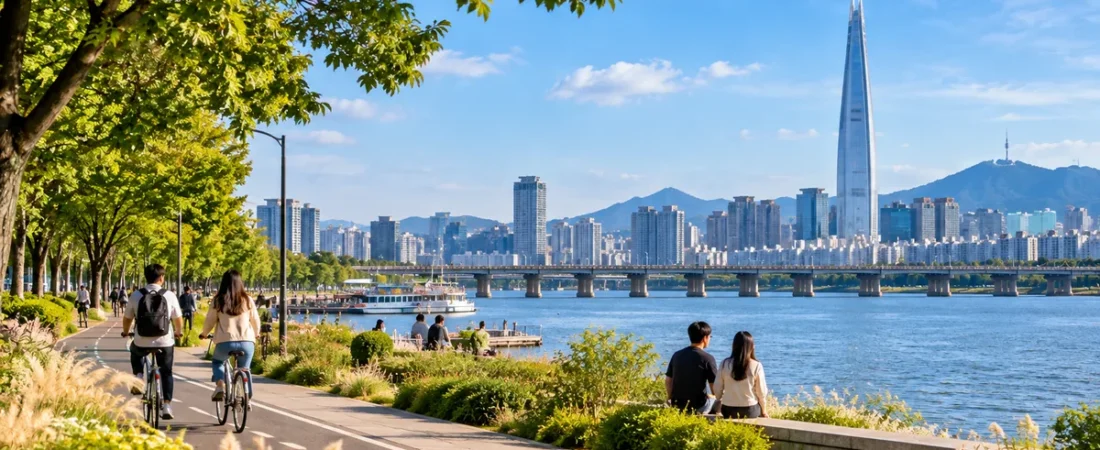
Spending 3 days in Seoul gives you enough time to experience South Korea’s capital at its best: royal palaces, traditional neighbourhoods, bustling markets, modern shopping districts, mountain views and the lively streets that make Seoul such an exciting city.
This itinerary is designed for first-time visitors and groups nearby attractions together to reduce unnecessary travel. Day one focuses on historic Seoul, day two combines central neighbourhoods with Namsan and Myeongdong, and day 3 introduces the Han River and modern Seoul.
For a broader introduction to the city before your trip, read our Seoul travel guide. If you have not booked accommodation yet, our guide to where to stay in Seoul compares the most convenient neighbourhoods.
Price note: All prices in this article are approximate and were checked at the time of publication. Prices may change.
Top Tours & Experiences in Seoul
Discover popular Seoul tours and experiences. Check current availability, ratings and prices before you book.
Affiliate disclosure: If you book through these links, we may earn a commission from Viator. This does not increase the price you pay.
3 Days in Seoul at a Glance
A good 3-day itinerary should balance Seoul’s historic and modern sides rather than trying to visit every attraction.
Day 1: Gyeongbokgung Palace → Bukchon Hanok Village → Insadong → Cheonggyecheon Stream
Day 2: Namdaemun Market → Namsan → N Seoul Tower → Myeongdong
Day 3: Gangnam → COEX and Starfield Library → Han River → Hongdae
The itinerary works particularly well if you stay somewhere central such as Myeongdong, Jongno or Insadong, although Seoul’s subway makes it possible to follow from most major neighbourhoods.
Day 1: Palaces and Traditional Seoul
Your first day introduces the historic heart of the city. Start early because this part of Seoul contains several attractions worth exploring slowly.
Morning: Gyeongbokgung Palace
Begin at Gyeongbokgung Palace, the largest of Seoul’s Five Grand Palaces and one of the city’s essential first-time attractions.
Originally established in 1395, Gyeongbokgung served as the principal royal palace during much of the Joseon period.
Allow around two hours to explore its gates, courtyards, throne halls and pavilions.
General adult admission is approximately ₩3,000. Operating hours vary seasonally and special opening arrangements occasionally apply, so check the current schedule before visiting.
One popular option is renting traditional Korean hanbok before entering the palace. Visitors wearing qualifying hanbok can generally enter the royal palaces free under the applicable admission policy.
Even if you skip the clothing rental, arrive reasonably early. The palace grounds are much more enjoyable when you are not rushing.
Late Morning: Walk Towards Bukchon
After Gyeongbokgung, make your way towards Bukchon.
Stop for coffee or a light snack around Samcheong-dong if you need a break.
This area offers a pleasant transition from Seoul’s grand royal architecture to smaller traditional streets and neighbourhoods.
Early Afternoon: Bukchon Hanok Village
Bukchon Hanok Village is famous for its traditional Korean houses, known as hanok.
However, Bukchon is also a real residential neighbourhood, and visitor rules have become considerably stricter.
Parts of Bukchon are designated as a special management area. In the designated Red Zone, tourist visits are restricted between 5:00 PM and 10:00 AM.
For this itinerary, visit during the early afternoon and pay close attention to local signs indicating restricted areas.
Keep your voice low, avoid blocking doorways and remember that many attractive buildings are private homes rather than tourist attractions.
Around an hour is usually enough for a respectful walk through the accessible streets.
Afternoon: Insadong
Continue towards Insadong.
Insadong’s main street and surrounding alleys contain craft shops, galleries, tea houses, souvenir stores and restaurants.
This is a good place to slow the pace after a busy morning.
Browse traditional crafts, stop for Korean tea or explore the smaller lanes branching away from the main shopping street.
Allow approximately one to two hours depending on how much shopping you want to do.
Evening: Cheonggyecheon Stream
Finish your first day around Cheonggyecheon.
The restored urban stream runs through central Seoul and provides a pleasant pedestrian route below the surrounding roads.
Walking here after sunset gives you a completely different view of central Seoul as nearby office buildings and streets illuminate.
There is no admission fee for walking along the stream.
Afterwards, find dinner around Jongno, Insadong or nearby central Seoul.
Day 2: Markets, Namsan and Myeongdong
Day two combines food, city views and one of Seoul’s busiest shopping neighbourhoods.
Wear comfortable shoes because there will again be plenty of walking.
Morning: Namdaemun Market
Start at Namdaemun Market, one of Seoul’s best-known traditional markets.
The market’s maze of lanes contains clothing, household products, accessories, souvenirs and food.
Instead of arriving with a strict shopping list, spend some time wandering through the different sections.
Breakfast or an early lunch here can also be an experience. Look for busy food stalls and small restaurants serving Korean dishes.
Allow approximately 90 minutes to two hours.
Late Morning: Explore Namsan
From the market area, continue towards Namsan.
Namsan rises in the middle of Seoul and provides a green escape from the surrounding commercial districts.
Several walking routes climb through Namsan Park. The exact route you choose depends on your fitness level and how much time you want to spend outdoors.
You do not need to pay for the N Seoul Tower observatory to enjoy the mountain or surrounding viewpoints.
Afternoon: N Seoul Tower
At the summit area, N Seoul Tower provides one of Seoul’s most recognizable landmarks.
The paid observatory currently costs approximately ₩29,000 for adults. You can skip the observatory and still enjoy the atmosphere and views from parts of the surrounding Namsan area.
If visibility is poor, consider saving the observatory fee. On a clear day, however, the elevated perspective helps reveal just how enormous Seoul is.
The observatory generally remains open into the evening, although operating hours can change because of weather or other conditions.
Allow around one to two hours around the tower complex.
Late Afternoon and Evening: Myeongdong
Descend towards Myeongdong for the evening.
Myeongdong is one of Seoul’s busiest shopping districts and is particularly known for cosmetics, fashion, restaurants and evening food stalls.
The neighbourhood becomes increasingly lively later in the day, making evening an ideal time to visit.
Spend some time browsing shops before dinner.
If you are still deciding whether this central neighbourhood would suit your trip, our where to stay in Seoul guide explains the advantages of Myeongdong compared with Hongdae, Jongno, Gangnam and other areas.
Finish the evening with Korean barbecue, fried chicken, noodles or another local meal.
Day 3: Modern Seoul, the Han River and Hongdae
Your final day moves away from the palace district and explores contemporary Seoul.
Today involves more subway travel, so start reasonably early.
Morning: Gangnam
Take the subway south of the Han River towards Gangnam.
Gangnam represents a very different side of Seoul from the historic districts you explored on day one.
Wide roads, modern offices, shopping complexes, restaurants and entertainment venues dominate much of the area.
Rather than attempting to explore the entire district, concentrate on a few specific stops.
COEX and Starfield Library
Head towards the COEX complex.
Inside, Starfield Library has become one of Seoul’s most recognizable modern interior spaces thanks to its enormous floor-to-ceiling bookshelves.
It is located within Starfield COEX Mall, so visiting the library itself can be combined with shopping, coffee or lunch.
Allow around one to two hours for the complex depending on your interest in shopping.
Afternoon: Han River
After lunch, head towards one of Seoul’s riverside parks.
The Han River divides the city and is an important part of everyday life in Seoul.
Residents come to the river for cycling, walking, picnics and relaxing with friends.
Instead of treating every hour of your trip as conventional sightseeing, spend some time simply enjoying the riverside.
Depending on your route, choose a convenient Hangang park and take a walk along the river.
In pleasant weather, pick up drinks or snacks and enjoy a short picnic.
The experience is particularly enjoyable during spring and autumn when temperatures are comfortable for spending time outdoors.
Late Afternoon: Travel to Hongdae
Next, cross back towards Hongdae.
The subway journey gives you a chance to rest before your final evening.
Hongdae is centred around Hongik University and is one of Seoul’s liveliest youth districts.
Arriving in the late afternoon allows you to see the neighbourhood transform as daytime cafés and shops give way to evening restaurants and entertainment.
Evening: Explore Hongdae
Spend your final evening exploring Hongdae’s shopping streets, cafés, restaurants and entertainment areas.
There is no need to follow a rigid route. The appeal of Hongdae comes largely from wandering through the neighbourhood and discovering interesting streets.
Have dinner here and stay later if you are interested in nightlife.
Hongdae also has a practical advantage for travellers leaving Seoul the following day because Hongik University Station is served by the AREX All-Stop Train towards Incheon International Airport.
Getting Around During Your 3 Days in Seoul
Seoul’s subway is the easiest transport option for most of this itinerary.
The current adult base subway fare is approximately ₩1,550 when using a transit card. Longer journeys cost more depending on distance.
A transit card such as Tmoney makes repeated journeys easier and allows eligible transfers between public transport services.
Always tap your card correctly when entering and leaving transport because Seoul’s integrated fare and transfer system depends on the recorded journey.
For this itinerary, expect to combine subway journeys with considerable walking.
Wear comfortable footwear.
How to Make This Seoul Itinerary Easier
3 days is enough to see the major highlights, but Seoul is enormous.
Do not attempt to add too many distant attractions simply because they look interesting online.
Grouping sights geographically is much more efficient.
Day one deliberately keeps you around the historic centre. Day two concentrates on Namsan and Myeongdong. Day 3 groups attractions south of the river before finishing in Hongdae.
This structure reduces unnecessary journeys across Seoul.
Our complete Seoul travel guide provides more information about transport, attractions, food and practical planning.
What to Eat During Your 3 Days in Seoul
Food should be part of the itinerary rather than something squeezed between attractions.
During your stay, consider trying:
- Korean barbecue
- Bibimbap
- Tteokbokki
- Gimbap
- Korean fried chicken
- Mandu
- Japchae
- Bindaetteok
- Samgyetang
- Hotteok
Traditional markets are particularly useful when you want to sample several foods without committing to a long restaurant meal.
For barbecue restaurants, remember that portions and ordering requirements can vary, especially for meat dishes.
What If You Have a Fourth Day?
If you can add another day, avoid simply repeating central Seoul.
Instead, use the extra time for an experience that would otherwise make the 3-day itinerary too crowded.
Options include another royal palace, museums, additional neighbourhoods, hiking or a day trip outside central Seoul.
Travellers interested in Korean history could spend additional time around Seoul’s palaces and museums, while outdoor travellers might prefer one of the mountains surrounding the city.
A fourth day also allows you to slow down and spend more time in cafés, markets and neighbourhoods.
Tips for Your First Seoul Trip
Start sightseeing relatively early, particularly on the palace day.
Check attraction closure days before finalising your itinerary. Opening schedules can change for holidays, special events and maintenance.
Follow the visitor restrictions in Bukchon carefully. The designated Red Zone prohibits tourist visits from 5:00 PM until 10:00 AM.
Use the subway between distant neighbourhoods and walk once you reach each district.
Keep a small amount of Korean won available even if you mainly use cards.
Avoid planning your itinerary around crossing Seoul repeatedly during peak commuting periods.
And leave some flexibility. Seoul’s neighbourhoods are often most enjoyable when you have time to explore without rushing towards the next attraction.
Frequently Asked Questions
Are 3 days in Seoul enough?
3 days is enough for a first introduction to Seoul. You can see major historic attractions, traditional neighbourhoods, central shopping districts and part of modern Seoul. Four or five days is better if you want museums, hiking or day trips.
What should I do on my first day in Seoul?
Start with Gyeongbokgung Palace, then visit Bukchon during permitted visitor hours before continuing to Insadong and Cheonggyecheon. These attractions are geographically close and provide an excellent introduction to historic Seoul.
Do I need a car for this itinerary?
No. Seoul’s subway and buses are much more practical for a visitor following this itinerary. Driving would introduce unnecessary parking and navigation problems.
Where should I stay for a 3-day Seoul trip?
Myeongdong is particularly convenient for first-time visitors. Jongno and Insadong work well for historic attractions, while Hongdae is better for nightlife and airport connections. Read our where to stay in Seoul guide for a full comparison.
Is Seoul expensive for tourists?
It can be adapted to different budgets. Public transport is relatively inexpensive, and many neighbourhoods, markets, parks and riverside experiences can be explored without paying admission. Accommodation and shopping are likely to create the largest differences between budgets.
Final Thoughts
3 days in Seoul will not reveal every corner of this enormous city, but it is enough to experience an excellent mixture of old and new Korea.
Your first day introduces royal Seoul through Gyeongbokgung, Bukchon and Insadong. Day two combines traditional market culture with Namsan and Myeongdong, while day 3 reveals the modern city through Gangnam, the Han River and Hongdae.
Most importantly, resist the temptation to overcrowd each day. Seoul rewards travellers who leave enough time to wander through markets, stop at cafés, try unfamiliar food and experience neighbourhoods rather than simply collecting attractions.
Book Your Seoul Experiences
Ready to start planning? Compare popular Seoul tours and activities, check current prices and availability, and book the experiences that suit your trip.
Affiliate disclosure: If you book through these links, we may earn a commission from Viator. This does not increase the price you pay.
Explore more places through our destinations page or browse our complete collection of itineraries.