
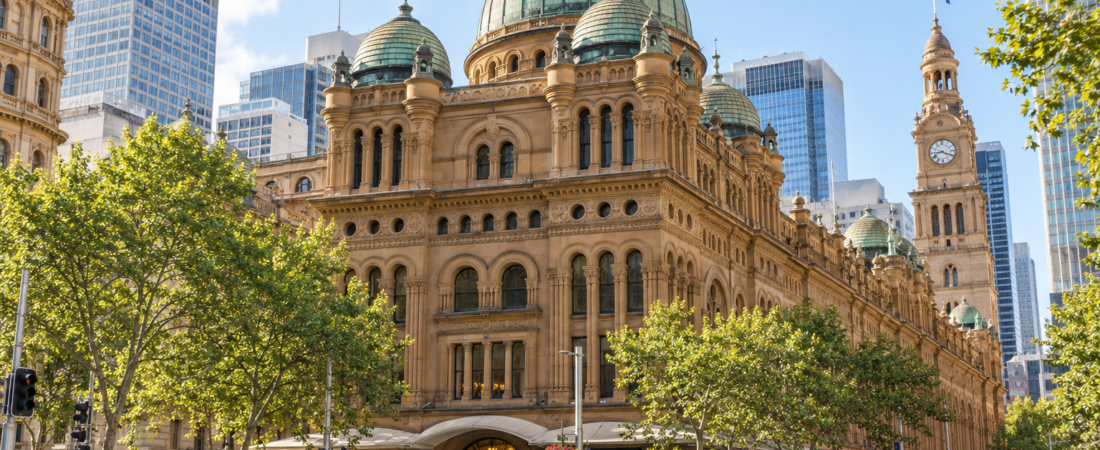
Sydney combines one of the world’s most recognisable harbours with golden beaches, attractive coastal walks, lively neighbourhoods and a varied food scene. Visitors can spend the morning exploring the historic centre, take a ferry across the harbour and finish the day watching the sunset beside the ocean.
This Sydney travel guide covers the city’s top attractions, the best places to stay, local transport, beaches, food and essential planning advice for first-time visitors.
Why Visit Sydney?
Sydney offers a rare combination of city experiences and outdoor attractions. The Opera House and Harbour Bridge provide its famous skyline, while beaches such as Bondi and Manly make it easy to include time beside the sea.
The city is an excellent choice for travellers who enjoy:
- Iconic architecture and harbour views
- Beaches and coastal walks
- Ferry journeys
- Parks and botanic gardens
- Diverse restaurants and food markets
- Day trips to mountains, beaches and wine regions
- Outdoor activities throughout much of the year
Sydney is spread across a large metropolitan area, but many of its most popular attractions are concentrated around the harbour, central business district and eastern beaches.
Top Tours & Experiences in Sydney
Discover popular Sydney tours and experiences. Check current availability, ratings and prices before you book.
Affiliate disclosure: If you book through these links, we may earn a commission from Viator. This does not increase the price you pay.
Top Attractions in Sydney
Sydney Opera House
The Sydney Opera House is the city’s most recognisable landmark. Its waterfront location makes it impressive from almost every direction, particularly when viewed from Circular Quay, the Royal Botanic Garden or a harbour ferry.
Walking around the exterior is free. Visitors who want to see the performance halls can book a guided tour or attend a show. The standard guided tour normally lasts around one hour and requires considerable walking and stair climbing, although an accessible tour is also available.
Check the official schedule before visiting because performance and tour times vary.
Sydney Harbour Bridge
The Sydney Harbour Bridge connects the central city with Sydney’s North Shore. You can admire it from Circular Quay, the Opera House, Barangaroo or Milsons Point.
Walking across the pedestrian pathway is free and provides excellent views of the harbour and Opera House. The paid BridgeClimb experience offers a higher viewpoint, while the Pylon Lookout provides another option for visitors who want elevated views without completing the full bridge climb.
Circular Quay
Circular Quay is the main transport and sightseeing hub beside Sydney Harbour. Ferries depart from here for destinations including Manly, Taronga Zoo and other waterfront suburbs.
The area is surrounded by the Opera House, The Rocks and harbour promenades. It is a useful starting point for a first day in Sydney.
The Rocks
The Rocks is Sydney’s historic harbour neighbourhood, known for sandstone buildings, narrow streets, traditional pubs and weekend markets. The district sits between Circular Quay and the Harbour Bridge.
Spend time walking through its lanes, visiting small galleries and learning about the city’s colonial history. The official Sydney tourism site highlights the area’s sandstone architecture, shopping, museums and harbour setting.
Royal Botanic Garden Sydney
The Royal Botanic Garden offers harbour views, landscaped lawns, native plants and walking paths beside the city centre. Entry to the garden is free.
The garden opens daily at 7am, with closing times changing throughout the year according to the season.
Walk towards Mrs Macquarie’s Point for one of the best combined views of the Opera House and Harbour Bridge.
Darling Harbour
Darling Harbour is a modern waterfront precinct with restaurants, museums, family attractions and pedestrian areas. Popular paid attractions include SEA LIFE Sydney Aquarium, WILD LIFE Sydney Zoo and the Australian National Maritime Museum.
Even without entering an attraction, you can walk along the waterfront, enjoy the evening atmosphere and continue towards Barangaroo.
Barangaroo Reserve
Barangaroo Reserve has walking paths, sandstone landscaping and open harbour views. It is a pleasant place to walk between Darling Harbour and The Rocks.
Visit near sunset for waterfront views or bring a picnic and relax on the headland.
Bondi Beach
Bondi is Sydney’s most famous beach. Visitors come for swimming, surfing, cafés and the energetic beachfront atmosphere.
Always swim between the red-and-yellow flags and follow the instructions of lifeguards. Ocean conditions can change quickly, even when the weather appears calm.
Bondi is busiest during sunny weekends and the Australian summer. Arrive early for a quieter experience.
Bondi to Coogee Coastal Walk
The Bondi to Coogee walk follows the coastline past cliffs, beaches, parks and ocean pools. The complete route is approximately six kilometres and includes steps and uneven sections.
Popular stops include Tamarama, Bronte and Clovelly. Carry water, use sun protection and allow several hours if you want to stop at the beaches.
You do not have to complete the entire route. The shorter section from Bondi to Bronte still provides attractive coastal views.
Manly
The ferry journey from Circular Quay to Manly is one of Sydney’s classic experiences. It provides harbour views before arriving close to Manly Beach.
Walk through The Corso to reach the oceanfront, or follow the path towards Shelly Beach for a quieter coastal setting. Manly works well as a half-day or full-day trip.
Taronga Zoo
Taronga Zoo overlooks Sydney Harbour and houses Australian and international animals. It can be reached by ferry and connecting transport.
Allow most of a day if you plan to explore the zoo properly. Admission prices and operating hours can change, so check the official website before visiting.
Best Beaches in Sydney
Sydney has beaches suitable for swimming, surfing, walking and relaxing. The official tourism website highlights Bondi, Manly, Coogee, Bronte and Balmoral among the city’s notable beaches.
Bondi Beach
Best for first-time visitors, surfing culture and a lively atmosphere.
Manly Beach
Best for combining a scenic ferry journey with a day beside the ocean.
Bronte Beach
A smaller beach with a park, coastal views and an ocean pool.
Coogee Beach
A family-friendly beach surrounded by cafés and connected to Bondi by the coastal walk.
Balmoral Beach
A calmer harbour beach that is popular for swimming, picnics and relaxed waterfront dining.
Beach conditions vary. Look for safety signs, check local warnings and swim only in patrolled areas between the flags.
Best Areas to Stay in Sydney
Sydney CBD
The central business district is convenient for first-time visitors who want easy access to transport, shopping and major attractions.
It is a practical base for reaching Circular Quay, Darling Harbour and the Royal Botanic Garden. Hotels can be expensive, especially during major events.
Circular Quay and The Rocks
This is the best location for iconic harbour views and easy access to the Opera House, ferries and Harbour Bridge.
Accommodation is generally expensive, but the location can save considerable travel time.
Darling Harbour
Darling Harbour suits families and travellers who want restaurants, entertainment and waterfront attractions close to their hotel.
Surry Hills
Surry Hills is known for cafés, restaurants and attractive residential streets. It offers a more neighbourhood-oriented experience while remaining close to the city centre.
Bondi
Stay near Bondi if beach time is your main priority. The area has restaurants, cafés and coastal walks, but reaching central Sydney takes longer because there is no train station directly at the beach.
Manly
Manly is a good option for a relaxed seaside stay with ferry access to the city. It feels separate from central Sydney and works particularly well for travellers who prefer beaches to nightlife or shopping.
Getting Around Sydney
Sydney’s public transport network includes trains, metro services, buses, ferries and light rail.
You can pay using an Opal card or an accepted contactless credit card, debit card or digital wallet. Tap on at the beginning of the journey and tap off at the end.
Use the same card or device for every journey so that eligible fare benefits can be calculated correctly. Contactless payments can be used across public transport in Sydney and several surrounding regions.
Trains and Metro
Trains are useful for travelling between the airport, central Sydney and outer suburbs. Metro services connect several parts of the metropolitan area.
Buses
Buses serve areas without direct rail connections, including Bondi Beach. Traffic can make journey times longer during peak periods.
Ferries
Ferries are both useful transport and an enjoyable way to see Sydney Harbour. Popular routes include Circular Quay to Manly and services to harbour suburbs.
Light Rail
Light rail services connect central Sydney with areas including Circular Quay, George Street and the south-eastern suburbs.
Travelling From Sydney Airport
Airport trains provide a convenient connection to central Sydney. The fare includes a separate station access fee when travelling through the Domestic or International Airport stations.
The access fee is charged in addition to the normal public-transport fare, so compare the total cost with a taxi or rideshare service when travelling as a family or group.
Allow extra time during busy travel periods and check for planned transport work before departure.
Best Time to Visit Sydney
Sydney can be visited throughout the year. Remember that Australia’s seasons are opposite to those in the Northern Hemisphere.
Spring: September to November
Spring generally brings comfortable temperatures, flowering gardens and good conditions for walking and sightseeing.
Summer: December to February
Summer is popular for beaches, outdoor dining and major events. Days can be hot, accommodation prices may rise and popular beaches become busy.
Autumn: March to May
Autumn often offers pleasant temperatures and fewer peak-summer crowds. It is a good season for coastal walks and city sightseeing.
Winter: June to August
Winter is cooler but generally suitable for exploring the city. Evenings can feel cold, and rain is possible, so pack layers and a light waterproof jacket.
Weather varies, so check the forecast shortly before travelling.
What to Eat in Sydney
Sydney’s multicultural population is reflected in its food. Visitors can find excellent Asian cuisine, seafood, modern Australian cooking and casual café meals.
Foods and experiences to consider include:
- Fresh seafood
- Fish and chips beside the harbour
- Australian brunch dishes
- Meat pies
- Asian food in Chinatown and surrounding neighbourhoods
- Lebanese and Middle Eastern food
- Coffee from independent cafés
- Local produce at food markets
Restaurants around the harbour often charge premium prices for their location. Explore neighbourhoods such as Surry Hills, Newtown and Haymarket for a wider range of choices.
How Many Days Do You Need in Sydney?
3 days provides enough time for the main highlights:
- Day 1: Circular Quay, Opera House, The Rocks and Harbour Bridge
- Day 2: Bondi Beach and the coastal walk
- Day 3: Manly, Darling Harbour or another harbour attraction
Four or five days allows a more relaxed pace and time for additional neighbourhoods or a day trip.
Popular Day Trips From Sydney
Blue Mountains
The Blue Mountains are known for dramatic valleys, walking trails, waterfalls and the 3 Sisters rock formation. They can be reached by train, organised tour or car.
Check weather, track conditions and bushfire warnings before hiking.
Royal National Park
Located south of Sydney, Royal National Park offers beaches, coastal scenery and bushwalking trails. Some areas are easiest to reach by car.
Hunter Valley
The Hunter Valley is a major wine region with vineyards, restaurants and countryside accommodation. Joining a tour is useful if you plan to taste wine.
Palm Beach
Palm Beach lies north of central Sydney and offers beaches, headland walks and ocean views. It is also known as a filming location for the television series Home and Away.
Practical Sydney Travel Tips
- Australia uses Australian dollars.
- English is the main language used by visitors.
- Tap on and off when using public transport.
- Carry sun protection throughout the year.
- Swim only between the red-and-yellow flags at patrolled beaches.
- Do not underestimate travel times between distant neighbourhoods.
- Check transport updates before airport journeys and major events.
- Book popular attractions and restaurants in advance during busy periods.
- Carry a light layer because harbour ferries and evenings can feel cooler.
- In an emergency, call 000 for police, fire or ambulance assistance.
Is Sydney Expensive?
Sydney can be expensive, particularly for centrally located accommodation, harbour restaurants and major attractions. However, many memorable activities are free.
You can walk across the Harbour Bridge, visit the Royal Botanic Garden, explore The Rocks, relax on the beaches and follow coastal walking routes without paying admission.
Use public transport, stay slightly outside the harbour precinct and combine restaurant meals with casual food to control costs.
Book Your Sydney Experiences
Ready to start planning? Compare popular Sydney tours and activities, check current prices and availability, and book the experiences that suit your trip.
Affiliate disclosure: If you book through these links, we may earn a commission from Viator. This does not increase the price you pay.
Final Thoughts
Sydney is an excellent destination for travellers who want iconic landmarks, beaches and outdoor experiences in the same trip. Its size requires some planning, but the public-transport network makes it possible to explore the harbour, central neighbourhoods and coastal areas without hiring a car.
Start with Circular Quay and the Opera House, include at least one ferry journey and leave enough time for a beach or coastal walk. This combination provides a memorable introduction to the city.
For more destination ideas, explore our complete collection of travel guides.