
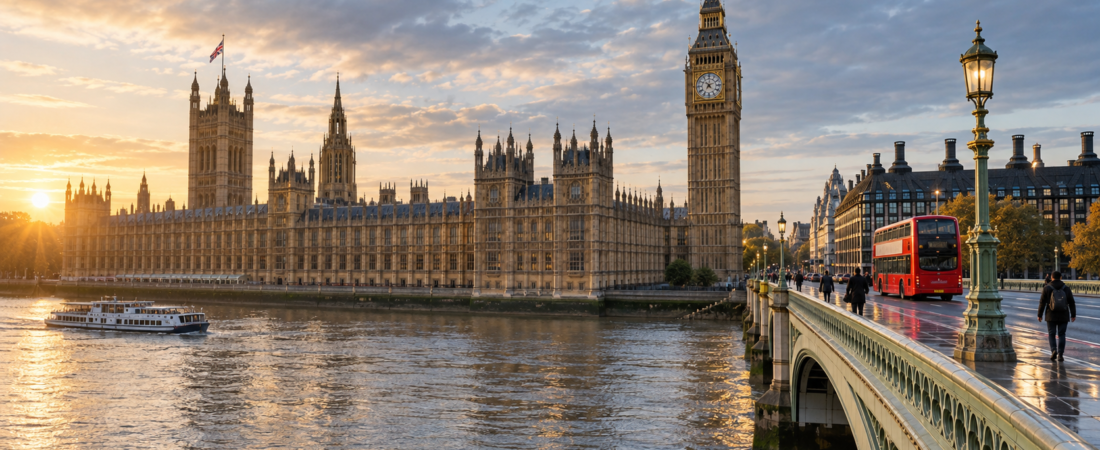
London combines royal landmarks, world-class museums, historic neighbourhoods, green parks and an enormous variety of food and entertainment. Its famous sights are spread across a large area, but an extensive public transport network makes exploring the city relatively straightforward.
This London travel guide covers the city’s essential attractions, the best areas to stay, transportation, food, trip costs and practical advice for first-time visitors.
Why Visit London?
London offers an unusual combination of history and modern city life. Visitors can see royal palaces, walk beside the River Thames, explore internationally important museums and experience neighbourhoods with very different personalities.
The city is suitable for history enthusiasts, families, food travellers, theatre lovers and anyone interested in art, architecture or shopping.
Several major museums and galleries offer free general admission, helping visitors balance the cost of paid attractions.
Top Tours & Experiences in London
Discover popular London tours and experiences. Check current availability, ratings and prices before you book.
Affiliate disclosure: If you book through these links, we may earn a commission from Viator. This does not increase the price you pay.
Top Attractions in London
Houses of Parliament and Big Ben
The Palace of Westminster and Elizabeth Tower—commonly associated with the name Big Ben—form one of London’s most recognisable views.
Walk across Westminster Bridge or along the opposite bank of the Thames for excellent photographs. The surrounding area also includes Westminster Abbey and government buildings along Whitehall.
Buckingham Palace
Buckingham Palace is the official London residence of the British monarch and one of the city’s most popular landmarks.
Visitors can view the palace exterior and walk around the nearby public areas for free. The State Rooms are normally accessible only during selected periods and require a ticket.
Check the official schedule if you hope to see the Changing of the Guard because dates and times may vary.
Tower of London
The Tower of London has served as a royal palace, fortress and prison during its long history. Today, it houses the Crown Jewels and offers exhibitions about British history.
Allow at least two or three hours for a visit. Booking in advance is recommended, particularly during busy travel periods.
Tower Bridge
Tower Bridge is another essential London landmark. Walking across the bridge at street level is free and provides views of the River Thames.
A paid exhibition allows visitors to enter the towers, see the high-level walkways and learn how the bridge operates.
London Eye
The London Eye provides elevated views across Westminster and central London. It is particularly popular around sunset and during clear weather.
Tickets can be expensive, so compare different time slots and book early if it is a priority. Free viewpoints elsewhere in the city provide alternatives for travellers on a limited budget.
British Museum
The British Museum contains an enormous collection covering thousands of years of human history and culture.
General admission is free, although some temporary exhibitions require tickets. The museum is large, so identify the galleries that interest you most instead of attempting to see everything during one visit.
National Gallery
Located in Trafalgar Square, the National Gallery displays important European paintings. General admission to the main collection is free.
Its central location makes it easy to combine with Covent Garden, Leicester Square and Westminster.
St Paul’s Cathedral
St Paul’s Cathedral is known for its impressive dome and prominent place in London’s skyline.
Visitors can purchase tickets to explore the interior and climb towards its galleries. Excellent exterior views are available from the Millennium Bridge and surrounding streets.
Borough Market
Borough Market is one of London’s best-known food markets. Browsing the market is free, while the stalls sell British and international dishes, baked goods and fresh produce.
Visit outside the busiest lunchtime hours if you prefer a less crowded experience.
Hyde Park and Kensington Gardens
Hyde Park and the adjoining Kensington Gardens provide a large green space in central London.
Walking through the parks is free. Visitors can see the Serpentine, fountains, memorials, landscaped gardens and the exterior of Kensington Palace.
Best Neighbourhoods to Explore
Westminster
Westminster contains many of London’s most famous landmarks, including Big Ben, the Houses of Parliament, Westminster Abbey and Buckingham Palace.
It is ideal for first-time sightseeing but accommodation can be expensive.
Covent Garden
Covent Garden is known for its covered market, street performers, shops, theatres and restaurants.
Its central location provides convenient access to Soho, Trafalgar Square and the British Museum.
South Bank
The South Bank follows the River Thames and offers views of Westminster, St Paul’s Cathedral and the City of London.
The riverside route includes the London Eye, cultural venues, restaurants and seasonal events.
Notting Hill
Notting Hill is recognised for colourful houses, attractive residential streets and Portobello Road Market.
The neighbourhood is especially busy on market days and during the annual Notting Hill Carnival.
Camden
Camden offers markets, alternative fashion, music venues and food stalls. Walking beside Regent’s Canal provides a quieter contrast to the busy market area.
Greenwich
Greenwich is located outside the busiest central districts but is worth visiting for its maritime history, riverside setting, market and panoramic views from Greenwich Park.
Travelling there by river boat can also provide a different perspective on London.
Where to Stay in London
The best place to stay depends on your budget and planned activities.
- Westminster: Best for famous landmarks and first-time sightseeing.
- Covent Garden: Best for theatre, restaurants and a central location.
- South Bank: Best for river views and cultural attractions.
- Kensington: Best for museums and elegant residential surroundings.
- Paddington: Best for convenient transport and Heathrow connections.
- King’s Cross: Best for rail connections and access to different parts of London.
- Shoreditch: Best for nightlife, street art and creative restaurants.
- Greenwich: Best for a quieter stay away from the central crowds.
Check how close the accommodation is to a Tube or railway station before booking. A cheaper room far outside central London can require additional travel time and higher transport costs.
We will also create a separate detailed guide to the best areas to stay in London.
Getting Around London
London Underground
The London Underground, commonly called the Tube, is usually the fastest way to travel between major areas.
Services are divided into fare zones, with many visitor attractions located in Zones 1 and 2.
Contactless Payment and Oyster Cards
Most visitors can pay for public transportation using an accepted contactless bank card, mobile payment device or Oyster card.
Use the same card or device for every journey so the system can calculate the appropriate daily fare cap. Each traveller needs a separate payment method or Oyster card.
International cards may include foreign transaction charges, so check with your bank before travelling.
London Buses
London buses are useful for shorter journeys and provide views of the city that are not available underground.
You must use contactless payment or an Oyster card because cash is not generally accepted on London buses.
Walking
Central London is more walkable than it may initially appear. Westminster, Trafalgar Square, Covent Garden and the South Bank can be combined into enjoyable walking routes.
Group nearby attractions together to avoid unnecessary journeys across the city.
Taxis and Ride Services
London’s black cabs are convenient but can be expensive. Licensed ride-booking services are also available.
Public transportation is generally more economical for routine sightseeing.
Best Time to Visit London
London is a year-round destination, but each season offers a different experience.
Spring: March to May
Spring brings longer daylight hours, flowers and generally mild conditions. Temperatures can change quickly, so carry layers and a light waterproof jacket.
Summer: June to August
Summer offers long evenings and numerous outdoor events. It is also one of the busiest and most expensive periods, especially during school holidays.
Autumn: September to November
Early autumn can provide comfortable sightseeing weather and colourful parks. Temperatures become cooler and rain remains possible.
Winter: December to February
December features festive decorations, markets and seasonal events. January and February are quieter and can offer lower accommodation prices, although days are shorter and colder.
London receives rain throughout the year, so a compact umbrella or waterproof jacket is useful in every season.
Food to Try in London
London’s diverse population is reflected in its food. Traditional British dishes are available alongside cuisines from almost every part of the world.
Popular choices include:
- Fish and chips
- Sunday roast
- Full English breakfast
- Meat or vegetable pies
- Afternoon tea
- Indian and South Asian cuisine
- Street food from local markets
- Traditional desserts such as sticky toffee pudding
Borough Market, Camden Market and neighbourhood food halls offer many choices in one location.
Supermarkets, bakeries and casual food chains can help reduce meal costs.
How Many Days Do You Need in London?
Three days provide enough time for a useful introduction to London’s main landmarks.
A five-day visit allows more time for museums, markets, neighbourhoods and attractions outside the central area. Travellers planning day trips may prefer six or seven days.
We will next create a detailed three-day London itinerary with a practical daily sightseeing route.
Estimated London Travel Budget
London can be expensive, particularly for accommodation and ticketed attractions.
Approximate daily costs per person, excluding international flights, are:
- Budget traveller: £80–£140
- Mid-range traveller: £170–£300
- Comfortable or luxury traveller: £350 or more
These estimates vary according to the season, accommodation location, restaurant choices and number of paid attractions.
Free museums, public parks, markets and self-guided walking routes can reduce sightseeing expenses significantly.
Practical London Travel Tips
Book popular attractions in advance
The Tower of London, London Eye, theatre performances and special exhibitions may sell out during busy periods.
Group nearby attractions together
Visit Westminster and the South Bank on the same day. Combine the Tower of London, Tower Bridge and Borough Market on another day.
Stand on the right on escalators
On London Underground escalators, stand on the right and leave the left side available for people walking.
Check for planned transport closures
Engineering work can affect Underground and railway services, especially at weekends. Check your journey before leaving.
Keep valuables secure
Pay attention to your belongings in busy stations, markets and tourist areas. Avoid leaving phones or bags unattended.
Carry a payment card
London is highly card-oriented. Many businesses and transport services accept contactless payments, while some may not accept cash.
Check UK entry requirements
Visa and Electronic Travel Authorisation requirements depend on your nationality and immigration status. Use the official UK government website to confirm what you need before booking travel.
Suggested First-Day Route
Begin at Westminster to see Big Ben, the Houses of Parliament and Westminster Abbey. Walk through St James’s Park to Buckingham Palace.
Continue towards Trafalgar Square and the National Gallery before exploring Covent Garden. In the evening, walk along the South Bank for views of London’s illuminated skyline.
Is London Suitable for Families?
London offers many family-friendly museums, parks, theatres and interactive attractions.
Free museums can make family sightseeing more affordable, while public transportation connects most major areas. Allow additional time when travelling with young children and avoid scheduling too many attractions in one day.
Book Your London Experiences
Ready to start planning? Compare popular London tours and activities, check current prices and availability, and book the experiences that suit your trip.
Affiliate disclosure: If you book through these links, we may earn a commission from Viator. This does not increase the price you pay.
Final Thoughts
London rewards visitors who plan their days by neighbourhood rather than trying to cross the city repeatedly. Prioritise the attractions that interest you most, reserve popular tickets early and balance expensive experiences with free museums, parks and walking routes.
This London travel guide provides a starting point for organising your visit. Explore our other travel guides for additional destination ideas and practical trip-planning advice.