
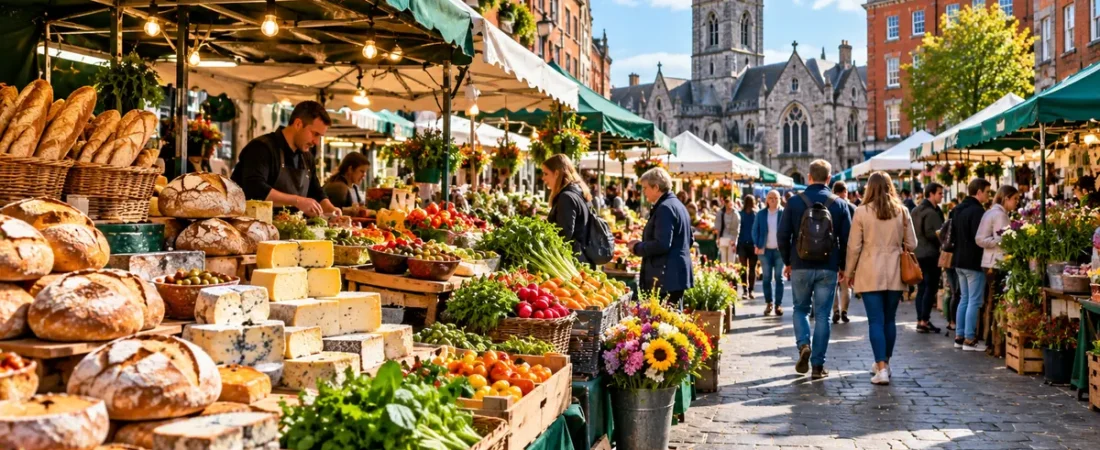
Planning a Dublin travel budget is important because Ireland’s capital can be relatively expensive, particularly when it comes to accommodation. However, Dublin is compact, many worthwhile attractions are free, and careful choices about hotels, food and sightseeing can significantly reduce the overall cost.
As a broad planning figure, a budget-conscious traveller might spend around €80–€130 per person per day excluding flights, while a mid-range visitor could spend around €160–€280 or more. Your accommodation choice will usually make the biggest difference.
This guide breaks down realistic costs for accommodation, food, public transport, attractions and everyday spending so you can estimate how much money you’ll need.
For general planning, start with our Dublin travel guide. Our 3 Days in Dublin Itinerary can also help you decide which attractions are worth including.
Price note: All prices in this article are approximate and were checked at the time of publication. Prices may change.
How Much Does a Trip to Dublin Cost?
Your total spending depends heavily on your travel style.
As a rough daily planning guide, excluding flights:
- Budget traveller: around €80–€130 per person
- Mid-range traveller: around €160–€280 per person
- Higher-end traveller: €300+ per person
These aren’t fixed prices. Dublin accommodation rates can change dramatically according to the date, particularly during summer weekends, concerts, sporting events and major festivals.
Couples sharing a hotel room may have a lower per-person accommodation cost than solo travellers.
Accommodation Costs in Dublin
Accommodation is likely to be the largest part of your Dublin travel budget.
As broad planning estimates:
Hostels and Basic Accommodation
A hostel bed might cost approximately €35–€70 per night, depending on the season, location and room type.
Prices can climb during periods of strong demand.
Budget Private Rooms
Basic private accommodation may cost around €90–€160+ per night.
Properties outside the most central tourist districts can sometimes offer better value.
Mid-Range Hotels
A centrally located mid-range hotel can commonly cost around €150–€280+ per night.
Popular weekends can push rates significantly higher.
Higher-End Hotels
Upscale central hotels can easily exceed €300 per night, with premium properties costing considerably more.
If accommodation is your biggest concern, our guide to where to stay in Dublin compares central areas with neighbourhoods such as Smithfield, Ballsbridge and Drumcondra.
How to Save Money on Dublin Accommodation
Book as early as possible once your travel dates are fixed.
Check the city’s events calendar before booking. A major concert or sporting event can cause hotel rates to rise sharply even outside the traditional summer peak.
Consider staying outside Temple Bar and the most expensive central streets.
A hotel close to a useful bus, Luas or DART connection can sometimes provide better overall value than a more expensive property in the tourist centre.
However, compare the savings carefully. A very distant hotel can mean more time and money spent travelling.
Public Transport Costs in Dublin
Dublin’s centre is compact enough that many visitors can walk between major attractions.
When you need public transport, a TFI Leap Card can make fares straightforward.
The current adult TFI 90 Minute Fare is €2.
It covers eligible journeys and transfers within the 90-minute period across Dublin City Bus, Luas, DART and commuter rail services within Dublin Zone 1.
A short adult Leap fare is currently €1.50.
The current adult Zone 1 fare caps are:
- Daily cap: €6
- Weekly cap: €24
This means a traveller making several eligible journeys in one day won’t continue accumulating charges beyond the applicable daily cap.
Walking combined with occasional Leap Card journeys is often all a visitor needs.
Dublin Airport Transport Costs
Dublin Airport does not currently have a direct railway or Luas connection.
Buses and coaches provide the main public-transport links between the airport and central Dublin.
Several operators serve different parts of the city, and fares vary according to service, booking method and destination.
Rather than building your budget around a fixed airport fare months in advance, check the current fare for the service serving your accommodation before travelling.
Taxis are considerably more expensive than buses but can make sense when several people are sharing the fare, particularly with substantial luggage.
Food Costs in Dublin
Food spending is one of the easiest parts of your budget to control.
Breakfast
If breakfast isn’t included with your accommodation, allow roughly €7–€15 for a simple café breakfast, depending on what you order.
Buying breakfast items from a supermarket or bakery can reduce the cost.
Lunch
A casual lunch such as a sandwich, soup, bakery meal or takeaway may cost around €8–€15.
Sit-down restaurant lunches can cost more.
Dinner
A casual main course might cost approximately €15–€25, while a full meal in a mid-range restaurant can easily reach €30–€50+ per person once drinks or additional courses are included.
Daily Food Budget
A careful traveller using bakeries, supermarkets and casual restaurants might manage food for around €25–€40 per day.
A visitor eating most meals in restaurants should budget closer to €50–€80+ per day.
Saving Money on Food in Dublin
Don’t eat every meal in the most tourist-heavy part of Temple Bar.
Walk a few streets away and compare menus.
Supermarkets, bakeries and casual cafés are useful for breakfast and lunch.
Food markets and takeaway counters can also provide an alternative to full-service restaurants.
If your accommodation includes breakfast, take advantage of it before beginning a full day of sightseeing.
A combination of inexpensive daytime meals and one good dinner is often more economical than eating three restaurant meals every day.
How Much Do Dublin Attractions Cost?
Dublin has both paid attractions and plenty of free things to do.
You don’t need to buy admission tickets throughout the day.
For example, Dublin Castle currently charges €8 for a self-guided adult visit and €12 for a guided adult tour.
Trinity College’s Book of Kells Experience and the Guinness Storehouse are among the city’s higher-profile paid attractions, with prices varying according to the experience, date and booking option.
If you choose two or three major paid attractions and combine them with free sightseeing, your overall sightseeing budget remains much easier to control.
Free Things to Do in Dublin
Some of Dublin’s most enjoyable experiences don’t require an admission fee.
You can walk along the River Liffey, cross the Ha’penny Bridge, explore Grafton Street, wander through Georgian Dublin and visit St Stephen’s Green without buying an attraction ticket.
Phoenix Park provides another major free outdoor attraction.
Walking around Temple Bar is free even if eating and drinking there isn’t.
Dublin’s neighbourhoods, architecture, bridges and public parks can therefore fill substantial portions of your itinerary at no cost.
How Much Should You Budget for Sightseeing?
For a three-day trip, a reasonable sightseeing allowance might be around €40–€100 per person, depending on how many paid attractions you choose.
A traveller focusing heavily on free activities could spend less.
Someone booking several major attractions, guided experiences or tours could spend considerably more.
The key is to decide which attractions genuinely interest you instead of buying tickets simply because they appear on a typical Dublin checklist.
Is a Dublin Sightseeing Pass Worth It?
It depends on your itinerary.
Before buying a pass, write down the paid attractions you actually intend to visit.
Compare their individual admission prices with the current pass price and confirm that those exact attractions are included.
A pass may provide value for a sightseeing-heavy itinerary.
However, if you intend to spend much of your time exploring parks, Georgian streets, neighbourhoods and free landmarks, buying individual tickets may be cheaper.
Pub and Nightlife Budget
Pub spending can quickly increase your Dublin travel budget.
Drink prices vary significantly according to location and venue.
Rather than setting an exact figure for every drink, decide how much of your trip budget you’re comfortable allocating to nightlife.
Temple Bar’s most visitor-oriented venues can be particularly expensive.
Exploring pubs elsewhere in central Dublin may provide a different atmosphere and potentially better value.
Live traditional music is available in many venues, although schedules and any entertainment arrangements vary.
Budgeting for a Trip to Howth
Howth is one of the easiest excursions from Dublin.
The DART connects the city with Howth, making it possible to experience Dublin’s coastline without booking an expensive organised excursion.
Transport costs depend on your ticket or Leap Card arrangement and the applicable fare zone.
Once there, exploring the harbour and walking around the town itself doesn’t require an attraction ticket.
If you plan a coastal walk, choose a route suitable for your available time, footwear and weather conditions.
When Is Dublin Cheapest to Visit?
Accommodation is often the biggest variable.
Summer tends to have strong visitor demand, while St Patrick’s Day, concerts and major sporting events can make particular dates exceptionally expensive.
Parts of late autumn and winter can sometimes offer better accommodation value, excluding Christmas, New Year and major events.
Our best time to visit Dublin explains seasonal weather, crowds and event considerations in more detail.
Travelling midweek can also sometimes produce better rates than popular weekends.
Sample 3-Day Dublin Budget
Here’s a simple example for a budget-conscious traveller staying three nights.
Accommodation
Allow approximately €120–€210 for three nights in hostel or basic accommodation.
Food
Allow around €75–€120 for three days using a mixture of supermarkets, bakeries, cafés and inexpensive restaurants.
Public Transport
Allow approximately €10–€20 for city transport if you’re walking extensively, excluding airport transport and excursions beyond central fare coverage.
Attractions
Allow around €40–€80 for selected paid attractions.
Miscellaneous Spending
Allow around €20–€40 for snacks, small purchases and unexpected expenses.
Estimated Total
A careful three-day traveller might therefore spend approximately €265–€470 per person, excluding flights and airport transport.
This estimate can rise significantly if you’re travelling alone and booking a private hotel room.
Mid-Range 3-Day Dublin Budget
A traveller staying in a comfortable central hotel, eating regularly in restaurants and visiting several paid attractions could spend approximately:
- Accommodation: €225–€420+ per person, assuming two people share a room
- Food: €150–€240
- Transport: €10–€25
- Attractions: €60–€120
- Miscellaneous/nightlife: €50–€100+
That produces a rough total of around €495–€905+ per person for three days, before flights and airport transfers.
Hotel choice and nightlife spending can move that figure substantially in either direction.
Practical Ways to Reduce Your Dublin Travel Budget
Walk whenever practical. Dublin’s compact centre makes this relatively easy.
Use a Leap Card when public transport is necessary.
Book accommodation early and check whether a major event overlaps your dates.
Choose only the paid attractions that genuinely interest you.
Use supermarkets, bakeries and casual cafés for some meals.
Explore free places such as St Stephen’s Green, Phoenix Park, Georgian Dublin and the River Liffey.
Stay outside the heart of Temple Bar if accommodation prices there are significantly higher.
Finally, keep some flexibility. Dublin can be enjoyed without paying for an attraction every few hours.
Is Dublin Expensive?
Dublin can certainly be expensive, particularly for accommodation.
But the city also gives budget-conscious travellers several advantages.
Its centre is walkable, public transport has capped Leap fares, and many of Dublin’s defining experiences — its Georgian streets, riverside walks, parks and neighbourhood atmosphere — are free.
Plan accommodation carefully, choose paid attractions selectively and control restaurant and nightlife spending, and a Dublin city break becomes much easier to budget.
Explore more places through our destinations page or browse our complete collection of itineraries.