
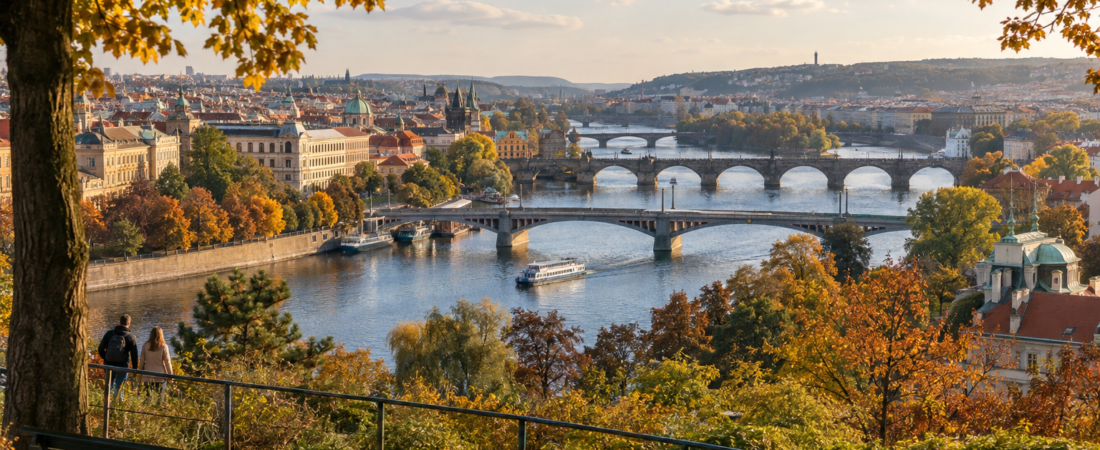
The best time to visit Prague is generally during May, June, September or early October. These months usually provide comfortable conditions for walking, longer daylight than winter and access to seasonal gardens and outdoor attractions.
July and August bring warm weather and a busy programme of events, but they are also among the most crowded periods. December attracts large numbers of visitors for Christmas markets and festive celebrations.
January, February and November are usually quieter and can offer more affordable accommodation. However, travellers should prepare for cold weather, shorter daylight hours and the seasonal closure of some gardens and outdoor attractions.
This guide compares Prague’s weather, crowds, prices and seasonal experiences throughout the year.
For a broader introduction to the city, read our complete Prague travel guide.
Best Time to Visit Prague at a Glance
Choose your travel period according to your priorities:
- Best overall weather: May, June and September
- Best for fewer crowds: January, February and November
- Best for gardens and parks: Late April to June
- Best for warm weather: June to August
- Best for autumn colours: Late September and October
- Best for Christmas markets: Late November and December
- Best for affordable accommodation: January, February and November
- Best for festivals and outdoor events: May to September
- Best for photography: April, May, September and October
Weather changes from year to year, and rain can occur during any season. Always check the short-term forecast before departure.
Prague in Spring
Spring is one of the best seasons for visiting Prague.
March begins the transition from winter, while April brings longer days, flowering trees and the reopening of many seasonal gardens. May generally provides a particularly attractive balance of comfortable weather and outdoor activity.
Temperatures can change quickly during spring. Sunny afternoons may feel mild, but mornings and evenings can remain cold.
Advantages of Visiting in Spring
- Increasing daylight
- Gardens and parks begin reopening
- Comfortable conditions for walking
- Blossoming trees and spring colours
- Outdoor cafés become more active
- Generally fewer visitors than peak summer
Disadvantages of Visiting in Spring
- Changeable weather
- Rain showers are possible
- Cold mornings can continue into April
- Easter periods may become busy
- Accommodation prices often rise in May
Pack layers, a light waterproof jacket and shoes suitable for wet cobblestones.
Prague in March
March is a transitional month. Winter conditions may continue early in the month, while milder days become more common towards April.
Crowds are generally manageable outside weekends and special events. This can be a useful period for travellers who want central accommodation without summer prices.
Some seasonal gardens and outdoor attractions may remain closed or operate reduced hours. Indoor museums, churches and historic interiors should therefore form a larger part of your itinerary.
Prague in April
April brings longer daylight, emerging greenery and a livelier outdoor atmosphere.
Prague Castle gardens and several palace gardens begin opening during spring, although exact dates and hours vary. Easter markets and holiday activities may increase crowds around Old Town Square and Wenceslas Square.
Weather can range from cool rain to pleasant sunshine. Carrying a compact umbrella and wearing layers is sensible.
Prague in May
May is one of the best months to visit Prague.
Parks and gardens are green, daylight is generous and temperatures are generally comfortable for walking. Outdoor events and riverfront activity also become more frequent.
Visitor numbers and accommodation prices begin increasing, particularly during weekends. Book central hotels early if your dates are fixed.
May is especially suitable for:
- First-time sightseeing
- Walking tours
- Parks and gardens
- Outdoor cafés
- Riverfront walks
- Photography
- Day trips
Prague in Summer
Summer offers Prague’s warmest weather, longest days and widest selection of outdoor activities.
June can provide an excellent balance before the busiest holiday period. July and August attract large numbers of international visitors, tour groups and families.
Major landmarks become crowded by late morning. Starting early is essential if you want to experience Charles Bridge, Prague Castle and Old Town Square with fewer people.
Advantages of Visiting in Summer
- Long daylight hours
- Warm evenings
- Outdoor concerts and festivals
- Parks and gardens fully active
- River cruises and outdoor dining
- Suitable weather for day trips
Disadvantages of Visiting in Summer
- Large crowds at major landmarks
- Higher accommodation prices
- Queues at popular attractions
- Hot afternoons are possible
- Occasional thunderstorms
- Busy public spaces and restaurants
Reserve accommodation and important activities well in advance.
Prague in June
June is one of Prague’s strongest all-round travel months.
The days are long, gardens are open and outdoor events become more frequent. Conditions are usually suitable for walking, although rain and sudden warm periods remain possible.
Crowds increase as the month progresses. Visit major landmarks during the early morning and explore residential neighbourhoods during the busiest afternoon period.
Prague in July
July is generally warm, lively and crowded.
The city hosts outdoor performances, cultural events and seasonal activities. Restaurants and public spaces remain active well into the evening.
Prague’s historic centre offers limited shade in some areas, and walking on exposed streets can become tiring during hot weather.
Carry drinking water, use sun protection and schedule indoor attractions during the warmest part of the day.
Prague in August
August remains part of Prague’s peak visitor season.
Warm weather and school holidays bring strong demand for hotels and attractions. Prices can be high, particularly for well-rated accommodation in Old Town and Malá Strana.
Begin sightseeing early, reserve popular experiences and allow flexibility for summer storms or hot afternoons.
Travellers who prefer a quieter atmosphere can stay in Vinohrady, Karlín or Holešovice and use public transport to reach the historic centre.
Our guide to where to stay in Prague compares the best neighbourhoods for different travellers.
Prague in Autumn
Autumn is another excellent season for visiting Prague.
September often retains comfortable weather and long enough days for extended sightseeing. October brings colourful foliage to Letná Park, Petřín, Vyšehrad and the city’s riverbanks.
November is colder, quieter and darker. It may offer lower accommodation prices before the main Christmas-market period begins.
Advantages of Visiting in Autumn
- Comfortable sightseeing in September
- Attractive autumn colours
- Fewer visitors than midsummer
- Cultural events and concerts
- Potentially better hotel value later in the season
- Pleasant conditions for photography
Disadvantages of Visiting in Autumn
- Daylight decreases quickly
- Rain and cool weather become more frequent
- Seasonal gardens may close in late October
- November can feel grey and damp
- Some outdoor attractions reduce their hours
Pack layers and a waterproof outer garment, particularly from October onwards.
Prague in September
September is one of the best months to visit Prague.
Summer crowds begin to ease, while outdoor attractions and seasonal gardens generally remain accessible. The weather is often suitable for long walks through the historic centre and surrounding parks.
Festivals and cultural events may increase demand on selected dates. Reserve accommodation early if travelling during a major event.
September is particularly suitable for couples, photographers, first-time visitors and travellers who want a balance between weather and crowds.
Prague in October
October brings autumn colours and a cooler atmosphere.
Early October can be excellent for parks, viewpoints and walking routes. Later in the month, temperatures fall, daylight shortens and seasonal gardens begin closing.
Prague’s annual cultural calendar often includes autumn music, design and light events. Confirm current dates before arranging your journey because schedules change annually.
October visitors should carry warm layers and prepare for both sunshine and rain.
Prague in November
November is one of Prague’s quieter months.
Cold weather and short daylight reduce outdoor sightseeing time, but museums, galleries, cafés and concerts remain available. Accommodation can be more affordable outside the period when Christmas events begin.
Some festive markets may open during the final part of November. Exact dates vary by year and location.
November works well for budget-conscious travellers who do not mind cool, occasionally damp conditions.
Prague in Winter
Winter transforms Prague into a colder and more atmospheric destination.
December is highly popular because of Christmas markets, lights, concerts and seasonal food. January and February are generally quieter after the holiday period.
Snow is possible but should never be guaranteed when planning a trip. Conditions may instead be cold, cloudy or wet.
Advantages of Visiting in Winter
- Christmas markets and decorations
- Atmospheric historic streets
- Quieter sightseeing after the holidays
- Potentially lower prices in January and February
- Indoor concerts, museums and cafés
- Possibility of snow
Disadvantages of Visiting in Winter
- Short daylight hours
- Cold temperatures
- Slippery cobblestones
- Some gardens are closed
- Reduced hours at certain attractions
- December can be crowded and expensive
Pack a warm waterproof coat, gloves, suitable footwear and layers for heated indoor spaces.
Prague in December
December is one of Prague’s busiest and most atmospheric winter months.
Christmas markets commonly operate at Old Town Square, Wenceslas Square and other locations. Visitors can expect seasonal stalls, decorations, food and cultural programmes.
The central markets become extremely busy during evenings and weekends. Visit earlier in the day for more space and keep valuables secure.
Hotel prices may rise during Advent, Christmas and New Year. Book early and confirm holiday opening hours for individual attractions.
Christmas-market dates and programmes change annually, so verify them on the official Prague tourism website.
Prague in January
January is generally quieter after the New Year holiday.
Cold weather and limited daylight make it important to plan a balanced schedule of indoor and outdoor attractions. Museums, galleries, churches and cafés become particularly useful.
Hotel rates may be lower than during December, although special events can still affect prices.
January is suitable for travellers prioritising fewer crowds over gardens and warm weather.
Prague in February
February remains cold but usually offers a quieter experience than spring or summer.
Major attractions can be easier to visit without long queues, and accommodation may provide good value. Short daylight means that outdoor sightseeing should begin early.
Use the afternoon and evening for museums, concerts, cafés and Czech restaurants.
Best Time for Fewer Crowds
January, February and November generally provide the best opportunity to experience Prague with fewer visitors.
March and early April may also be relatively manageable outside Easter and major events.
Even during quieter months, Old Town Square and Charles Bridge can become busy in the middle of the day. Visit major landmarks early in the morning or later in the evening.
Staying for several days gives you greater flexibility to adjust sightseeing around weather and crowds. Our 3 days in Prague itinerary provides a practical first-time route.
Best Time for Affordable Prices
January, February and November can offer comparatively affordable accommodation.
Prices usually rise during:
- Easter
- May and June weekends
- July and August
- Major festivals and conferences
- Advent weekends
- Christmas and New Year
Booking early does not always guarantee the lowest price, but it provides a wider choice of well-located properties.
Compare the total cost carefully, including breakfast, cancellation terms, city taxes and airport transfers.
Best Time for Parks and Gardens
Late April through June is particularly attractive for green spaces and flowering gardens.
September and early October provide another strong period, especially when autumn colours begin appearing.
Several important gardens operate seasonally. Prague Castle Gardens generally open from March through October, while other palace gardens may begin their season in April.
Useful green spaces include:
- Prague Castle Gardens
- Waldstein Garden
- Petřín Hill
- Letná Park
- Vojan Gardens
- Riegrovy Sady
- Stromovka Park
- Vyšehrad
- Kampa Park
Check the official opening schedule before visiting a gated garden.
Best Time for Festivals and Cultural Events
Prague has a busy cultural programme throughout the year.
Spring and summer bring music festivals and outdoor performances. Autumn includes concerts, design events and illuminated installations. Winter focuses on Christmas programmes and indoor performances.
Recurring events may include:
- Prague Spring International Music Festival
- United Islands of Prague
- Prague Proms
- Dvořák Prague Festival
- Signal Festival
- Design and architecture events
- Advent concerts
- Christmas markets
Dates and locations change, and large events can affect hotel availability. Confirm the current programme before booking non-refundable travel.
Best Time for Christmas Markets
Visit from late November through December for Prague’s Christmas-market atmosphere.
The best-known markets are commonly held at Old Town Square and Wenceslas Square, with additional markets around Náměstí Míru and Náměstí Republiky.
Markets vary in size, dates and closing schedules. Some continue into early January, while smaller markets may close before Christmas Day.
Weekday mornings and early afternoons are usually easier than Friday and Saturday evenings.
Best Time for Photography
April, May, September and October offer particularly attractive conditions for photography.
Spring provides fresh greenery and blossoms, while autumn brings warm colours to parks and riverbanks. Winter can create atmospheric scenes, but snow is unpredictable.
Sunrise is the best time to photograph Charles Bridge and Old Town with fewer people. Sunset works well from elevated locations such as Letná Park, Petřín and Vyšehrad.
Bring weather protection for camera equipment and remain aware of pedestrians when using a tripod.
How Long Should You Stay in Prague?
3 full days provide enough time for Prague’s major attractions.
A 3-day visit can include:
- Prague Castle
- Malá Strana
- Charles Bridge
- Old Town
- Josefov
- Wenceslas Square
- Petřín or Vyšehrad
4 or 5 days allow a slower schedule with additional museums, parks and residential neighbourhoods. A longer visit also provides time for a day trip outside Prague.
What to Pack for Prague
Your packing list should reflect the season.
Spring
- Light waterproof jacket
- Sweater or fleece
- Comfortable walking shoes
- Compact umbrella
- Layered clothing
Summer
- Lightweight clothing
- Comfortable walking shoes
- Sun protection
- Reusable water bottle
- Light rain jacket
- Thin evening layer
Autumn
- Warm layers
- Waterproof outer jacket
- Comfortable shoes
- Compact umbrella
- Scarf for cooler evenings
Winter
- Insulated waterproof coat
- Gloves, hat and scarf
- Warm layers
- Shoes with reliable grip
- Moisturiser and lip balm
Cobbled streets can become slippery in rain, frost or snow, so footwear is important throughout the year.
Final Thoughts
The best time to visit Prague depends on whether you prioritise comfortable weather, fewer crowds, lower prices or seasonal celebrations.
May, June and September provide the strongest overall balance for most first-time visitors. Early October is excellent for autumn colours, while late November and December appeal to travellers interested in Christmas markets.
January, February and November are better for quieter sightseeing and potentially lower accommodation prices, but visitors must prepare for cold weather and shorter days.
Whatever season you choose, check current weather forecasts, event dates and attraction opening hours before travelling. Prague’s museums, architecture, neighbourhoods and cultural venues make the city rewarding throughout the year.