
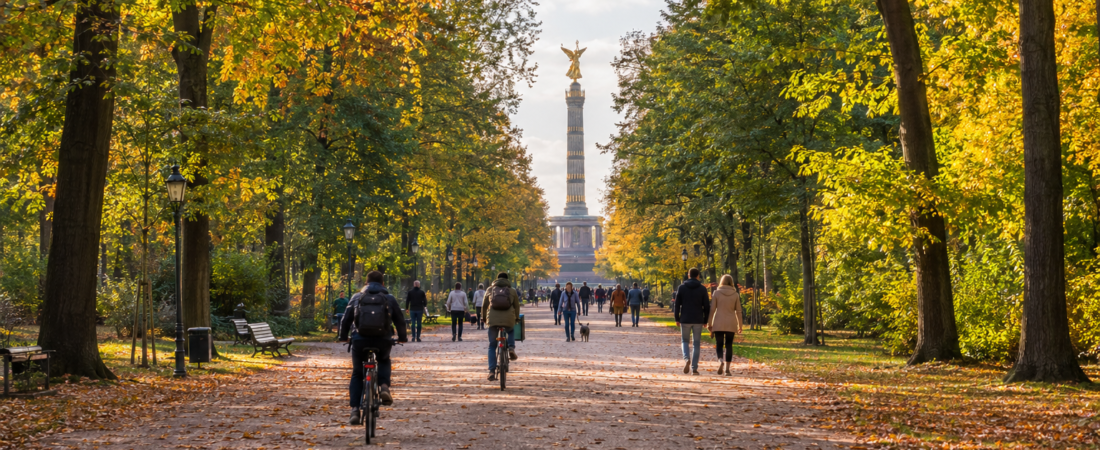
The best time to visit Berlin for comfortable weather and outdoor sightseeing is generally from May to September. Days are longer, parks and riverside areas are lively, and the city hosts numerous open-air events. However, this is also the busiest period, particularly during summer and major festivals.
Berlin is a year-round destination, and every season offers something different. Spring brings blossoms and increasingly pleasant walking weather. Summer is best for long days, parks and outdoor activities. Autumn offers colorful scenery and cultural events, while winter is suited to museums, Christmas markets and travelers who prefer fewer visitors at major sights.
The right month depends on whether you value warm weather, lower accommodation prices, lighter crowds or seasonal events. This guide compares Berlin throughout the year so you can choose a time that suits your trip.
For more help planning, read our Berlin travel guide, follow our 3 days in Berlin itinerary and compare neighborhoods in our guide to where to stay in Berlin.
When is the best time to visit Berlin?
May, June and September offer the best overall balance for many visitors. The weather is usually suitable for walking, daylight hours are generous, and you can enjoy Berlin’s parks, neighborhoods and outdoor attractions without always encountering the peak conditions of July and August.
July and August are good choices if warm weather and outdoor activities matter most. These months can also bring higher accommodation demand, more visitors and occasional hot days.
April and October are useful alternatives for travelers who are comfortable with changeable weather. You may experience pleasant sunshine, cool mornings or rain during the same trip, so flexible plans and layered clothing are important.
November through February is colder and darker. This period can still suit museum-focused visits, winter events and Christmas-market trips, but outdoor sightseeing requires warmer clothing and shorter daily plans.
Berlin in spring: March to May
Spring gradually transforms Berlin’s parks and residential streets. The season starts cool, but days become longer and outdoor life returns as temperatures rise.
Berlin in March
March is a transitional month. Some days can feel mild, while others remain cold, windy or wet. Trees and gardens may only be beginning to show signs of spring, particularly early in the month.
Crowds are generally more manageable than in summer, making March suitable for travelers who plan to spend plenty of time in museums and historical exhibitions. Bring a warm, water-resistant jacket and prepare a mixture of indoor and outdoor activities.
Best for: Lower-season sightseeing, museums and visitors comfortable with unpredictable weather.
Berlin in April
April brings longer days, spring flowers and more opportunities to explore on foot. The weather is famously changeable, so sunshine should not be taken for granted. Cool mornings and rain remain possible.
Cherry blossoms can add color to parts of Berlin during April, although the precise blooming period depends on that year’s weather. Parks become more appealing, cafés begin using their outdoor seating, and walking between attractions feels easier than during winter.
Best for: Spring scenery, moderate visitor numbers and flexible travelers.
Berlin in May
May is one of the best months to visit Berlin. Temperatures are generally more comfortable, parks are green, and outdoor cafés and neighborhood streets become livelier. It is an excellent time for walking through Tiergarten, exploring the Spree riverside and visiting different districts.
Demand can increase around public holidays and major events, so accommodation should not automatically be expected to remain inexpensive. Reserve early if your dates are fixed.
Best for: Comfortable sightseeing, parks, neighborhood walks and longer days.
Berlin in summer: June to August
Summer brings Berlin’s longest days and most active outdoor atmosphere. Parks, lakes, courtyards and riverside spaces become an important part of city life.
Berlin in June
June is another excellent month for a first trip. The long daylight hours give you more flexibility when combining museums with outdoor attractions, and temperatures are often pleasant for walking.
Open-air events and festivals become more frequent, although schedules change each year. Check Berlin’s official events calendar before arranging your trip around a particular celebration.
June can be busy, but it often provides a more balanced experience than the main holiday weeks later in summer.
Best for: Long sightseeing days, outdoor events, cycling and evenings beside the Spree.
Berlin in July
July is among Berlin’s warmest and busiest months. It is well suited to parks, outdoor dining, boat trips and visits to the city’s lakes. Daylight lasts well into the evening, making it easy to slow down during the hottest part of the afternoon.
Berlin can experience temperatures around 30°C or higher during hot periods. Not every hotel or apartment has air conditioning, so check accommodation facilities before booking if this is important to you.
Popular attractions may be busy, and accommodation prices can rise with demand. Reserve timed attractions and hotels ahead of your visit.
Best for: Warm weather, outdoor activities and travelers who enjoy an energetic summer atmosphere.
Berlin in August
August continues the summer atmosphere, with warm days and plenty of outdoor activity. It is a good month for mixing traditional sightseeing with parks, neighborhood walks and time near the water.
Heat and occasional rain or thunderstorms are possible. Carry water, use sun protection and keep one indoor alternative available in case the weather changes.
European holiday travel can make accommodation and well-known attractions busy. Early reservations provide a wider choice of places to stay.
Best for: Parks, lakes, summer evenings and outdoor-focused trips.
Berlin in autumn: September to November
Autumn begins with mild conditions before becoming progressively cooler and darker. It is an attractive season for culture, changing leaves and walking without midsummer heat.
Berlin in September
September is one of the strongest choices for an overall Berlin city break. The beginning of the month may still feel summery, while later weeks become cooler. Outdoor sightseeing remains enjoyable, but packing a light jacket is sensible.
Events such as Berlin Art Week and the Berlin Marathon can attract additional visitors. Exact dates and arrangements vary each year, and accommodation demand can rise during important event weekends.
Best for: Comfortable temperatures, cultural events and a balance of indoor and outdoor sightseeing.
Berlin in October
October brings colorful autumn scenery to Tiergarten and other green areas. Average conditions are much cooler than summer, and daylight decreases noticeably as the month progresses.
The Festival of Lights is commonly associated with autumn in Berlin, but visitors should confirm that year’s dates before booking. A combination of outdoor walks, museums and cafés works particularly well during this month.
Carry layers and a rainproof outer garment. A bright afternoon can become a cold evening quickly.
Best for: Autumn colors, photography, museums and cooler walking weather.
Berlin in November
November is quieter, colder and often grey. Daylight is limited, and the weather may include rain and chilly winds. It is less suitable for travelers whose plans depend mainly on parks and long outdoor walks.
The advantage is that many indoor attractions remain available, and major sightseeing areas can feel less crowded than in summer. Late November may also mark the beginning of the Christmas-market season, but opening dates differ by market and year.
Best for: Museums, lower crowds and early festive-season visits.
Berlin in winter: December to February
Berlin winters are cold, with temperatures often near freezing. Snow is possible but should never be assumed when planning a trip. Short daylight hours mean outdoor sightseeing is best concentrated around the middle of the day.
Berlin in December
December attracts visitors for Christmas markets, decorated streets, concerts and seasonal food. It can be one of the most atmospheric winter months, but popular weekends may be busy and accommodation prices can increase.
Check individual Christmas-market dates before traveling. Some markets operate for only a limited period, while others continue closer to the end of the year.
Wear insulated layers, a warm coat, gloves and footwear suitable for cold or wet streets.
Best for: Christmas markets, seasonal atmosphere and winter city breaks.
Berlin in January
January is usually one of the coldest and quietest periods. It can suit budget-conscious visitors if favorable accommodation rates are available, but weather conditions require realistic expectations.
Plan shorter outdoor sections and allow more time for museums, galleries and cafés. Ice, snow or rain may affect walking conditions, although a snowy cityscape is not guaranteed.
Best for: Fewer visitors, indoor attractions and travelers prepared for winter weather.
Berlin in February
February remains cold, but daylight gradually increases. The Berlinale film festival is a major event during the month and can increase demand during its scheduled dates.
Travelers not attending the festival may prefer dates outside the busiest event period. As in January, build the itinerary around indoor attractions with flexible outdoor walks when conditions are favorable.
Best for: Film and culture, museums and quieter winter sightseeing outside event dates.
Best time to visit Berlin for good weather
For the highest chance of comfortable conditions, consider May through September. June and September are particularly attractive because they often combine pleasant weather with long enough days for sightseeing.
Warm weather is never guaranteed, and summer can bring heat or rain. Berlin is easier to enjoy when you pack for changing conditions instead of relying entirely on seasonal averages.
Best time to visit Berlin with fewer crowds
March, early April, November, January and parts of February generally offer fewer leisure visitors than the warmer months. However, trade fairs, festivals, school holidays and major events can create busy periods at any time of year.
Late autumn and winter also involve shorter daylight hours and colder weather. The reduction in crowds comes with a trade-off, so these months suit travelers who prioritize museums and indoor attractions.
Best time to visit Berlin on a budget
Accommodation prices depend on demand rather than season alone. January, February and November may offer better value outside major events, while summer, public holidays and festival weekends can be more expensive.
Compare hotel prices across several dates before booking. Sometimes moving a trip by only a few days avoids an important event and produces a noticeable difference in accommodation costs.
Public transport and standard attraction prices do not necessarily become cheaper during the low season, so accommodation and flights are usually the main areas where flexible dates can help.
Best time for parks and outdoor activities
May through September is the most reliable period for enjoying Tiergarten, riverside walks, outdoor cafés and Berlin’s nearby lakes. April and October can also be beautiful when the weather cooperates.
June offers especially long days, while July and August provide the warmest conditions. September is ideal for travelers who prefer milder temperatures but still want to spend significant time outdoors.
Best time for museums and culture
Berlin’s museums, galleries and documentation centers make the city suitable for every season. Autumn and winter are particularly good for culture-focused trips because spending several hours indoors does not feel like missing valuable summer weather.
Always check the current opening days of the museums you plan to visit. Some institutions close on particular weekdays, and temporary renovations or exhibition changes can affect availability.
What to pack for Berlin in each season
In spring, bring layers, comfortable walking shoes and a light waterproof jacket. Temperatures can change considerably between morning and afternoon.
For summer, pack breathable clothes, sun protection and a light layer for cooler evenings. Check whether your accommodation provides air conditioning if visiting during July or August.
Autumn requires layers and a rain-resistant outer jacket. By late October and November, warmer clothing becomes increasingly important.
In winter, bring a proper coat, gloves, a scarf and shoes that can handle cold and wet conditions. Indoor spaces are heated, so removable layers are more practical than one extremely heavy outfit.
Final recommendation
For most first-time visitors, May, June or September is the best time to visit Berlin. These months usually offer a good balance of pleasant weather, useful daylight and opportunities to enjoy the city outdoors.
Choose July or August if summer energy and warm-weather activities are your priority. Visit in October for autumn scenery, December for Christmas markets, or winter for a museum-focused trip with fewer crowds.
Whatever month you select, check the weather forecast, attraction opening information and event calendar shortly before traveling. Berlin’s changing seasons are part of its character, and a flexible itinerary will help you enjoy the city in almost any conditions.
Explore more places through our destinations page or browse our complete collection of itineraries.