
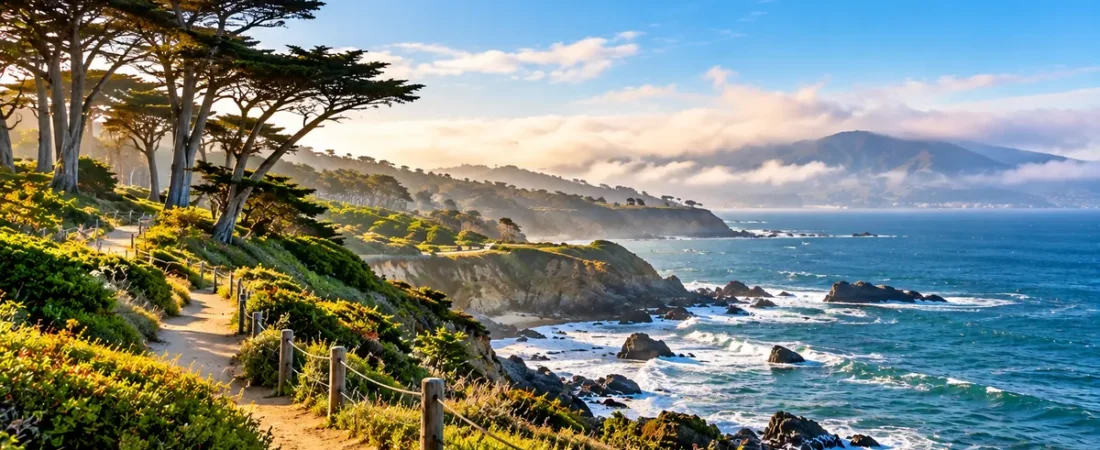
The best time to visit San Francisco is generally September and October if you want some of the city’s warmest weather, clearer conditions and excellent opportunities for outdoor sightseeing. Spring, particularly April and May, is another attractive period thanks to mild temperatures and comfortable walking conditions.
San Francisco doesn’t follow the typical California weather pattern. Summer can be cool, windy and foggy, especially near the Golden Gate Bridge and Pacific coast, while early autumn frequently brings warmer and sunnier days.
This guide explains San Francisco’s seasons, weather, crowds and what to expect throughout the year so you can choose the right time for your trip.
For a complete overview of the city, start with our San Francisco travel guide.
Best Time to Visit San Francisco at a Glance
For many travellers, the most appealing periods are:
September–October: Excellent for warmer weather and outdoor sightseeing.
April–May: Good for mild spring conditions and walking.
June–August: Popular but often cooler and foggier than visitors expect.
November–March: Cooler and wetter, but potentially useful for travellers who prefer quieter periods.
San Francisco has a mild marine climate, so extreme temperatures are unusual.
However, conditions can change significantly within a few miles.
San Francisco in Spring: March to May
Spring is an excellent time for exploring San Francisco on foot.
Temperatures are generally mild, days become longer and the city can feel comfortable for neighbourhood walks and waterfront sightseeing.
March
March sits between the wetter winter period and drier spring weather.
Rain is still possible, so pack a light waterproof layer.
The advantage is that major outdoor attractions can feel less hectic than during peak summer travel periods.
April
April is one of the more appealing spring months.
Conditions generally become drier, making it easier to plan long days around the Golden Gate Bridge, waterfront and neighbourhoods.
A light jacket remains useful, particularly in the evening.
May
May brings longer daylight hours and increasingly dry conditions.
It’s a particularly good month for walking through areas such as North Beach, Chinatown, the Mission District and the Presidio.
Coastal fog can occur, but summer’s more persistent fog pattern is not necessarily established every day.
San Francisco in Summer: June to August
Summer is one of San Francisco’s busiest travel periods, but the weather surprises many first-time visitors.
Instead of consistently hot California sunshine, San Francisco often experiences cool mornings, coastal wind and fog.
June
June begins the city’s classic summer weather pattern.
Some neighbourhoods can be sunny while the Golden Gate Bridge and western parts of the city remain wrapped in fog.
Bring layers even if the forecast looks comfortable.
July
July attracts many visitors because of school holidays and summer travel.
Waterfront areas, Alcatraz and major attractions can become busy.
Temperatures remain relatively mild, and mornings or evenings can feel cold near the bay.
Book popular attractions ahead.
Our 3 Days in San Francisco itinerary explains how to organise the major sights efficiently.
August
August begins moving toward San Francisco’s warmer late-summer period.
The city’s official tourism guidance identifies August through October as generally the warmest months of the year.
Fog is still possible, especially near the coast, so don’t assume every August day will provide clear Golden Gate Bridge views.
San Francisco in Autumn: September to November
Autumn is arguably San Francisco’s most attractive season for sightseeing.
September
September is an excellent month to visit.
San Francisco often experiences warmer conditions after the traditional summer holiday period, which is why locals sometimes describe this period as a second summer.
The National Weather Service’s 1991–2020 climate normals for San Francisco International Airport show typical September daytime highs around the mid-70s Fahrenheit.
September 2026 has demonstrated how variable the region can still be, with individual daytime highs ranging from the upper 60s to unusually hot conditions.
Weather can never be guaranteed, but September is a strong choice for outdoor sightseeing.
October
October continues the favourable early-autumn pattern.
Warm days can occur, while coastal fog may be less persistent than during early summer.
This makes October particularly attractive for walking the Golden Gate Bridge, exploring neighbourhoods and spending time along the waterfront.
Even then, carry a light jacket.
November
November marks the transition toward the wetter winter season.
Temperatures remain relatively mild compared with many American cities, but rain becomes more likely.
The advantage is that visitor numbers may be lower than during the main summer and early-autumn periods.
San Francisco in Winter: December to February
Winter is San Francisco’s wetter season.
Temperatures remain relatively moderate, but rain can interrupt outdoor plans.
December
December brings shorter daylight hours and a greater chance of rain.
The city still has plenty to do indoors, including museums, restaurants and cultural attractions.
Hotel pricing can vary significantly around holidays and events.
January
January is typically one of the quieter times for tourism.
Cooler, wetter conditions make it less reliable for long outdoor sightseeing days, but the city rarely experiences the severe winter weather common in colder parts of the United States.
Pack a waterproof outer layer and flexible itinerary.
February
February remains part of the rainy season, although dry stretches are possible.
Travellers comfortable with unpredictable weather may find this period appealing for museums, restaurants and neighbourhood exploration.
Best Time for the Golden Gate Bridge
Clear views of the Golden Gate Bridge are never guaranteed.
Fog can arrive at any time, but summer mornings are particularly famous for it.
September and October can offer better opportunities for clear conditions.
If the bridge is covered in fog when you arrive, conditions may change later in the day.
Avoid building your entire trip around one fixed viewing time.
Best Time for Alcatraz
Alcatraz operates throughout the year, but weather affects the ferry experience.
Summer and early autumn are popular, so advance reservations are especially important.
Spring can provide a useful balance between pleasant conditions and somewhat lower visitor demand.
Regardless of season, the ferry deck can feel significantly colder than sheltered parts of the city.
Best Time for Walking
April, May, September and October are particularly appealing for travellers planning extensive walking.
San Francisco’s hills make comfortable temperatures more important than you might expect.
Even during warmer periods, carry a light layer because wind and shade can quickly change how the temperature feels.
If you’re deciding which neighbourhood to use as your base, see our guide to where to stay in San Francisco.
When Is San Francisco Most Crowded?
Summer attracts large numbers of leisure travellers, especially during school holidays.
Major conventions, festivals, sporting events and holidays can also create local spikes in hotel demand throughout the year.
September and October have excellent weather but shouldn’t automatically be considered quiet months.
Always check your travel dates against major city events before booking accommodation.
When Is San Francisco Cheapest?
There isn’t one guaranteed cheapest month because hotel prices respond heavily to events, conventions and demand.
Winter can sometimes provide better accommodation value outside major holidays.
Spring shoulder-season dates may also offer useful opportunities.
Instead of choosing solely by month, compare several sets of dates and check the city’s event calendar.
What to Pack
Layers are essential throughout the year.
A light windbreaker, sweater or jacket is useful even during summer.
Comfortable walking shoes are equally important because San Francisco is best explored partly on foot and many streets are steep.
During winter and early spring, add a waterproof layer.
For the waterfront, Golden Gate Bridge and Alcatraz ferry, prepare for stronger wind and cooler conditions than you may experience downtown.
So, When Should You Visit?
For the strongest combination of weather and outdoor sightseeing, September and October are excellent choices.
If you prefer spring, April and May are strong alternatives.
Summer remains perfectly workable, but arrive expecting cool temperatures and fog rather than guaranteed California heat.
Winter suits travellers who don’t mind rain and want to focus more heavily on food, museums and indoor attractions.
Ultimately, San Francisco is a year-round destination. Choosing the right season simply helps match the city to the kind of trip you want.
Explore more places through our destinations page or browse our complete collection of itineraries.