
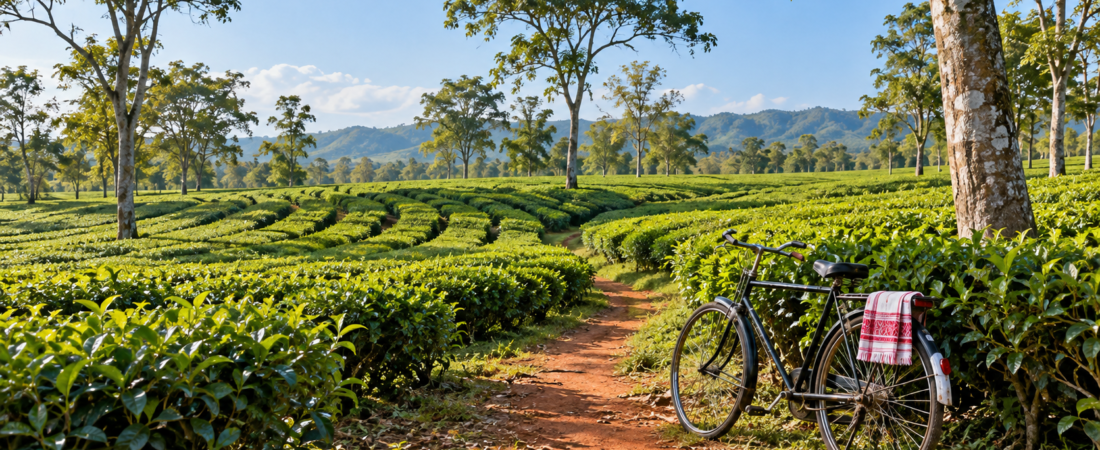
The best time to visit Jorhat is from November to March, when Upper Assam generally experiences its driest and most comfortable weather. These months are particularly suitable for exploring tea estates, visiting heritage sites, taking day trips to Majuli and spending time outdoors without the intense humidity and frequent rain associated with the monsoon.
However, the right month for your trip also depends on what you want to experience. November offers green post-monsoon scenery and cultural events, December and January bring the coolest weather, February is pleasantly mild, and March marks the transition towards warmer spring conditions. Travellers interested in Assamese festivals may also consider January or April.
This guide explains Jorhat’s weather month by month, the best seasons for different activities, what to pack and the practical factors to consider before choosing your travel dates.
Best Time to Visit Jorhat at a Glance
Best overall period: November to March
Best for pleasant sightseeing weather: November to February
Best for tea-garden scenery: October to April
Best for cultural experiences: January, April and the period surrounding the Majuli Raas festival
Best for greener landscapes: September and October, after the heaviest monsoon rain begins to ease
Wettest and most challenging period: June to September
Hottest and most humid period: May to August
For most first-time visitors, November, February and early March offer the most balanced combination of comfortable temperatures, relatively dry conditions and green scenery.
November to March: The Best Season to Visit Jorhat
The period from November to March is generally the most convenient time for exploring Jorhat. Days are usually comfortable, humidity is lower than during the monsoon, and the reduced chance of prolonged rain makes sightseeing easier.
Clearer weather is particularly helpful if your plans include tea-estate visits, heritage attractions, outdoor photography or a journey towards Majuli. Roads and walking paths are normally easier to navigate than during the wettest months.
November
November is one of the best months to visit Jorhat. The monsoon has usually withdrawn, the countryside remains green, and daytime conditions are generally pleasant.
This is also an important cultural period in the region. The Raas festival associated with Majuli normally takes place around October or November, depending on the lunar calendar. Performances, religious traditions and community celebrations can make this an especially rewarding time to visit.
Festival dates change each year, and accommodation and transport can become busier during major celebrations. Confirm the current schedule before finalising your trip.
December
December brings cool, dry conditions and is an excellent month for sightseeing. Morning mist may appear over tea gardens and rural areas, while afternoons are often comfortable for walking and photography.
Early mornings and evenings can feel noticeably colder than the daytime temperature. Carry a light jacket, especially if you plan to start early for wildlife viewing or travel towards Majuli.
December is popular with domestic travellers, particularly around Christmas and the New Year. Reserving accommodation in advance is sensible if you are travelling during the holiday period.
January
January is usually among the coolest months in Jorhat. The weather is well suited to daytime sightseeing, although mornings can be chilly and sometimes misty.
Magh Bihu, also known as Bhogali Bihu, is celebrated in Assam during January. The festival centres on food, harvest traditions and community gatherings. Visitors may see local celebrations, temporary structures known as mejis and seasonal Assamese dishes.
Because festival activities are community-based, travellers should participate respectfully and ask permission before photographing private ceremonies or gatherings.
February
February is arguably the best month for visitors who want comfortable weather without the busiest year-end holiday period. Mornings remain cool, afternoons are pleasantly warm, and rainfall is generally lower than during spring and summer.
The mild conditions suit city sightseeing, tea-garden visits and day trips. Travellers following a structured schedule can use our 3 days in Jorhat itinerary to organise the main attractions efficiently.
March
March remains a good time to visit, particularly during the first half of the month. Temperatures begin to rise, but the weather is normally manageable for sightseeing.
Occasional rain and thunderstorms become more likely as the month progresses. Pack light clothing for daytime use along with a compact umbrella or light rain jacket.
March can work well for travellers who prefer warmer weather while still avoiding the peak monsoon months.
April to May: Warm Weather and Assamese Festivals
April and May form Jorhat’s pre-monsoon season. Temperatures and humidity rise, and afternoon showers or thunderstorms become increasingly common.
April can nevertheless be an interesting month because Rongali Bihu, or Bohag Bihu, celebrates the Assamese New Year and the arrival of spring. Traditional music, dancing, festive meals and cultural programmes take place across Assam.
Travellers visiting for Bihu should check locally for public events because schedules and venues may vary. Some celebrations take place within neighbourhoods and family homes rather than at formal tourist sites.
The countryside can be attractive during this period, and tea activity is visible across Upper Assam. However, the middle of the day may feel uncomfortable for extended outdoor sightseeing. Plan outdoor activities for the morning and reserve the warmer afternoon hours for museums, restaurants or rest.
May is hotter, more humid and increasingly wet. It is not the easiest month for a first visit, although travellers comfortable with tropical conditions can still enjoy Jorhat by keeping their plans flexible.
June to September: The Monsoon Season
Jorhat receives substantial rainfall during the southwest monsoon, particularly between June and September. The landscape becomes intensely green, but heavy rain can interrupt sightseeing and affect road and river travel.
High humidity, waterlogged paths and sudden downpours make outdoor plans less predictable. River conditions may also affect ferry operations towards Majuli. Travellers should never assume that a ferry will operate normally during severe weather or high water.
The monsoon is therefore not the best period for a tightly scheduled first visit. It may still appeal to repeat visitors, slow travellers, photographers and people who enjoy dramatic clouds and lush scenery.
If you visit during these months:
- Keep at least one flexible day in your itinerary.
- Carry a reliable umbrella and lightweight waterproof jacket.
- Protect electronics and important documents in waterproof pouches.
- Wear quick-drying clothing and footwear with good grip.
- Check local weather warnings before longer journeys.
- Confirm ferry and road conditions on the day of travel.
- Avoid flooded roads and never attempt to cross fast-moving water.
September is often transitional. Rain may continue, but conditions can gradually improve towards the end of the month. The scenery remains exceptionally green.
Best Time for Jorhat’s Tea Gardens
Tea gardens are central to Jorhat’s identity, and their appearance changes throughout the year.
The period from October to April is generally the easiest for visitors because outdoor conditions are more comfortable. October and November offer rich greenery following the monsoon, while the winter months bring cooler air and softer morning light.
Tea production is seasonal, and the level of activity within an estate can vary. Tea gardens are also working properties rather than unrestricted public parks. Always obtain permission before entering private estate land, photographing workers or visiting processing areas.
A hotel or local guide may be able to arrange an authorised tea-estate experience. Our Jorhat travel guide provides additional ideas for combining tea heritage with the city’s cultural and historical attractions.
Best Time for a Majuli Day Trip
November to March is usually the most convenient period for travelling from Jorhat towards Majuli. Lower rainfall generally makes road travel and outdoor exploration easier than during the monsoon.
Nevertheless, ferry services depend on river, weather and operational conditions. Departure points and schedules can change, so confirm the latest information locally instead of relying entirely on an old online timetable.
Start early if you intend to visit Majuli as a day trip. The island deserves more time than many visitors expect, especially if you want to see several satras, rural landscapes and craft traditions without rushing.
Around the Raas festival, Majuli can become much busier. Book accommodation and transport early if your journey coincides with the celebration.
Best Time for Wildlife and Birdwatching
The cooler, drier months from November to March are usually preferable for wildlife-oriented excursions around Jorhat. Early mornings can offer better bird activity and more comfortable walking conditions.
Hollongapar Gibbon Sanctuary, located within travelling distance of Jorhat, protects an important forest habitat. Wildlife sightings are never guaranteed, and visits should be planned with respect for local regulations and forest conditions.
Use an authorised guide where required, speak quietly, avoid feeding animals and never leave marked or approved paths. Opening access can be affected by weather, maintenance or official restrictions, so check locally before departure.
Best Time for Festivals in and Around Jorhat
Jorhat’s cultural calendar can add considerable depth to a visit.
Magh Bihu in January
Magh Bihu celebrates the harvest and is associated with community feasts, traditional foods and the ceremonial burning of mejis. It is a rewarding time to experience Assamese culture alongside cool winter weather.
Rongali Bihu in April
Rongali Bihu welcomes the Assamese New Year and spring. Music, dance and colourful traditional clothing feature prominently in celebrations. April is warmer than winter, but the festival atmosphere can compensate for the increased humidity.
Majuli Raas Festival
The Raas festival generally takes place in October or November, according to the lunar calendar. Majuli’s satras and communities stage performances connected with the life of Krishna.
This is one of the region’s most significant cultural periods, but exact dates must be checked every year. Expect increased demand for accommodation and transport.
Month-by-Month Guide to Jorhat
January: Cool mornings, comfortable afternoons and Magh Bihu celebrations. Excellent for general sightseeing.
February: Mild, comparatively dry and comfortable. One of the best all-round months.
March: Warmer with an increasing possibility of rain. Good during the earlier part of the month.
April: Warm and more humid, with Rongali Bihu celebrations and occasional thunderstorms.
May: Hot, humid and increasingly wet. Outdoor plans are best scheduled early in the day.
June: The monsoon becomes established, bringing frequent and sometimes heavy rain.
July: Usually very wet and humid, with a greater risk of disrupted outdoor plans.
August: Continued monsoon conditions, lush scenery and unpredictable travel.
September: Still wet, although conditions may gradually improve later in the month.
October: A transitional month with greener scenery and generally improving weather.
November: Pleasant post-monsoon conditions and one of the best times for sightseeing.
December: Cool, drier and well suited to outdoor exploration, with increased demand around the holidays.
What to Pack for Jorhat
Your packing list should reflect the season.
For November to February
- Light layers for daytime sightseeing
- A sweater or light jacket for mornings and evenings
- Comfortable closed walking shoes
- Sun protection
- Insect repellent
- A light scarf for misty early starts
For March to May
- Breathable cotton clothing
- Sun hat and sunscreen
- Reusable water bottle
- Compact umbrella
- Light rain jacket
- Insect repellent
For June to September
- Quick-drying clothes
- Waterproof jacket or poncho
- Strong umbrella
- Water-resistant footwear with good grip
- Waterproof protection for electronics
- Spare socks
- Insect repellent
How Many Days Should You Spend in Jorhat?
3 days is a practical starting point for exploring Jorhat and its surroundings. This allows time for the city, tea heritage and at least one longer excursion.
Visitors planning an unhurried Majuli experience may want four or five days, particularly during festival periods. Extra time is also valuable during the monsoon because transport delays can affect a tightly planned schedule.
Your choice of neighbourhood can influence how easily you reach transport points and attractions. See our guide to where to stay in Jorhat before booking your accommodation.
Is Jorhat Worth Visiting During the Monsoon?
Jorhat can be beautiful during the monsoon, but the season requires flexibility. Tea gardens and rural landscapes appear intensely green, and fewer leisure visitors may be present.
The disadvantages are significant: heavy rain, humidity, muddy paths, possible waterlogging and disruption to road or ferry journeys. First-time visitors who want to see several attractions within a limited period will generally have a smoother experience between November and March.
Choose the monsoon only if lush scenery and a slower pace matter more to you than predictable transport and dry sightseeing conditions.
Final Recommendation
For most travellers, the best time to visit Jorhat is from November to March. Choose November for green post-monsoon scenery and the possibility of cultural events, December or January for the coolest weather, February for the best overall balance, and early March for warmer but still manageable conditions.
April is worth considering for Rongali Bihu, while the monsoon is better suited to flexible travellers who are comfortable with heavy rain and possible transport changes.
Whichever month you choose, verify festival dates, weather warnings, ferry operations and local opening arrangements shortly before travelling. Seasonal conditions in Upper Assam can change, and a little flexibility will make your Jorhat visit considerably more enjoyable.
Explore more places through our destinations page or browse our complete collection of itineraries.