
Berlin rewards visitors who leave room to explore. You can spend a morning among grand landmarks in Mitte, an afternoon learning how the city was divided, and an evening beside the Spree in a neighborhood with an entirely different feel. Its history is a major reason to visit, but cafés, parks, museums, street art and lively streets make the German capital much more than a history lesson.
For a first visit, plan at least 3 days. That gives you time to see the essential sights without crossing the city for every stop. This Berlin travel guide covers what to see, where to base yourself, how to get around and the practical details that make a trip easier.
Best things to do in Berlin
Walk from Brandenburg Gate to the Reichstag
Start at Brandenburg Gate, Berlin’s best-known landmark. The surrounding Pariser Platz is a useful starting point for exploring central Berlin, and the gate is especially atmospheric early in the morning or after dark.
The Reichstag building is a short walk away. Its glass dome offers views over the government district and an introduction to the building’s history. Dome admission is free, but advance registration is required. Reserve through the German Bundestag’s official website before your trip; entry depends on the available dates and security arrangements.
From here, you can continue through nearby Tiergarten if you want a break from busy streets, or walk toward the Memorial to the Murdered Jews of Europe. Give the memorial the time and respect it deserves rather than treating it as a quick photo stop.
Top Tours & Experiences in Berlin
Discover popular Berlin tours and experiences. Check current availability, ratings and prices before you book.
Affiliate disclosure: If you book through these links, we may earn a commission from Viator. This does not increase the price you pay.
Explore Museum Island and the historic center
Museum Island brings several major museums together beside the River Spree. Even if you do not enter one, the area is worth walking through for its architecture, bridges and river views. Choose a museum according to your interests instead of trying to see everything in one afternoon.
Important for current visitors: the Pergamonmuseum is closed for renovation and is scheduled to reopen on 4 June 2027. Check the State Museums in Berlin website for the status and opening hours of the other Museum Island museums before making plans.
Nearby, walk along Unter den Linden and spend some time around the historic center. This is an easy area to combine with Brandenburg Gate on a sightseeing day, although a museum visit can take several hours on its own.
Understand the Berlin Wall at Bernauer Strasse
The Berlin Wall Memorial on Bernauer Strasse is one of the most meaningful places to learn about the city’s division. Its outdoor exhibition follows a stretch of the former border and explains what the Wall meant for people who lived along it. Allow enough time to read the displays rather than simply walking past.
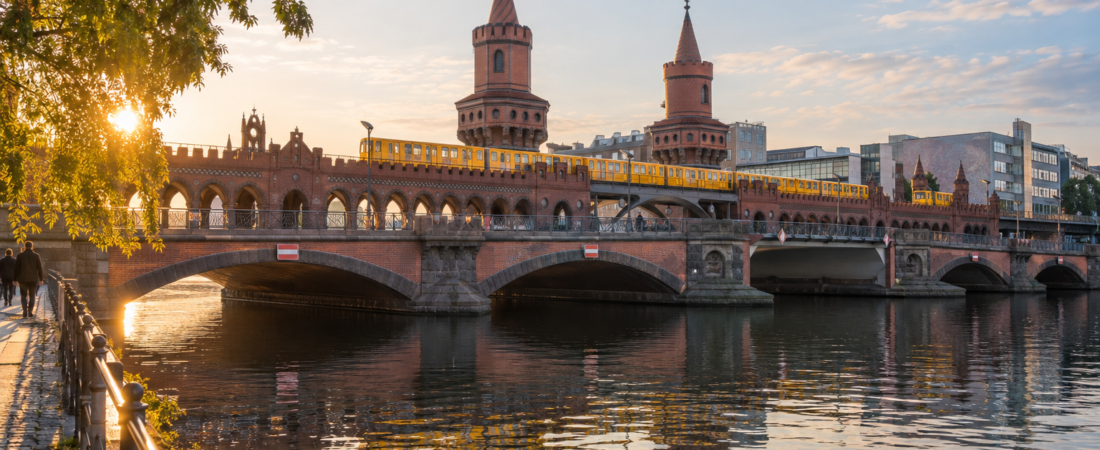
For a different perspective, visit the East Side Gallery, where murals cover a surviving section of the Wall beside the Spree. It is popular and can be crowded, but it also pairs naturally with a walk across the nearby Oberbaum Bridge. The bridge’s red-brick towers and passing U-Bahn trains make this one of Berlin’s most distinctive riverside scenes.
Visit the Topography of Terror
The Topography of Terror documentation center examines the institutions of Nazi persecution on the site where key offices once stood. Admission is free. The exhibitions are detailed and emotionally demanding, so set aside unhurried time for them.
You can combine this visit with a walk toward Potsdamer Platz or other central sights, but avoid filling the same day exclusively with museums and memorials. Berlin’s history is essential to understand; giving yourself a quieter stop afterward can help you take in what you have seen.
Spend time in Berlin’s neighborhoods
Some of the best Berlin experiences are less structured. Kreuzberg has a wide range of food, cafés and cultural spaces. Friedrichshain is a convenient area for the East Side Gallery and evenings out. Prenzlauer Berg suits a slower wander among residential streets and cafés, while Charlottenburg offers a different view of the city around its western center.
Pick one neighborhood and explore on foot rather than trying to tick off several in an hour. A meal, a local market or a walk along the Spree can be as memorable as another attraction ticket.
A simple first-time Berlin plan
Day 1: Central landmarks. Begin at Brandenburg Gate, visit the Reichstag dome if you have a reservation, then explore the nearby memorials and Tiergarten. Continue along Unter den Linden if you still have energy.
Day 2: Museums and history. Choose a Museum Island museum for the morning. In the afternoon, visit the Berlin Wall Memorial at Bernauer Strasse. Leave your evening open for dinner in a neighborhood you want to explore.
Day 3: East Berlin and the riverside. See the East Side Gallery, cross Oberbaum Bridge and spend time in Friedrichshain or Kreuzberg. If the Topography of Terror is a priority, make room for it by shortening another stop.
Berlin is spread out. Grouping nearby sights together makes each day more enjoyable than repeatedly traveling across town.
Where to stay in Berlin
Mitte is a practical choice for a first visit focused on major landmarks and museums. You can walk to many central sights, though accommodation close to the busiest areas may cost more.
Prenzlauer Berg is appealing if you prefer cafés and a more relaxed base. Check the distance from your accommodation to an S-Bahn or U-Bahn station, as the neighborhood covers a broad area.
Friedrichshain works well if you want the East Side Gallery and an active evening scene nearby. Kreuzberg is another option for food and neighborhood atmosphere. In both areas, check recent reviews for street noise if you are a light sleeper.
Charlottenburg can suit travelers who prefer to stay in western Berlin. Whichever area you choose, look at the exact street and nearby transport connections rather than relying on the neighborhood name alone.
Getting around Berlin
Berlin’s U-Bahn, S-Bahn, trams and buses make it possible to explore without a car. You will still walk quite a bit between sights, so comfortable shoes help.
The distinction to remember when buying tickets is AB versus ABC. AB covers Berlin’s city area; travel between Berlin Brandenburg Airport (BER) and the city requires an ABC ticket. At the time of writing, BVG lists an adult single ticket at €4.00 for AB or €5.00 for ABC, and a 24-hour ticket at €11.20 for AB or €12.90 for ABC. Fares can change, so check BVG again before buying.
If you plan multiple paid attractions, compare the Berlin WelcomeCard with ordinary transport tickets. The card includes local transport in the zone you select and discounts at participating attractions. Calculate what you will actually use before purchasing; an ordinary ticket may be enough if your plans mainly involve walks and free sights.
Best time to visit Berlin
Spring and early autumn are appealing if you want to spend long days walking between neighborhoods and outdoor sights. Summer brings more opportunities to enjoy parks and riverside areas, along with busier popular attractions. Winter can work well for a trip centered on museums, cafés and indoor activities, but you will need warmer clothing and a more flexible outdoor plan.
There is no single month that suits everyone. Choose the season that fits the experiences you care about most, and check opening hours for your specific travel dates.
Practical tips for your first Berlin trip
Book the Reichstag dome ahead of time through the official Bundestag website. If a particular museum is central to your trip, check its current opening days and reserve a ticket where needed.
Save the address of your accommodation and its closest transport station. Berlin is large enough that two hotels described as “central” can make for very different daily journeys.
Carry a payment card, but keep some cash available for smaller purchases. Check ticket validity and any validation instructions before your first public-transport journey. At historical sites, read the context provided: it will make the experience far more valuable than a quick visit for photographs.
If Berlin is part of a longer European trip, our Budapest travel guide and Rome travel guide can help you compare another city break. You can also browse more ideas on our Travel Guides page.
Is Berlin worth visiting?
Yes, especially if you enjoy cities with many layers. Berlin offers famous sights, serious historical museums and memorials, and neighborhoods where the pleasure is simply spending time. Give yourself at least 3 days, choose a few priorities, and leave space to discover the city between them.
Book Your Berlin Experiences
Ready to start planning? Compare popular Berlin tours and activities, check current prices and availability, and book the experiences that suit your trip.
Affiliate disclosure: If you book through these links, we may earn a commission from Viator. This does not increase the price you pay.
Explore more places through our destinations page or browse our complete collection of itineraries.