
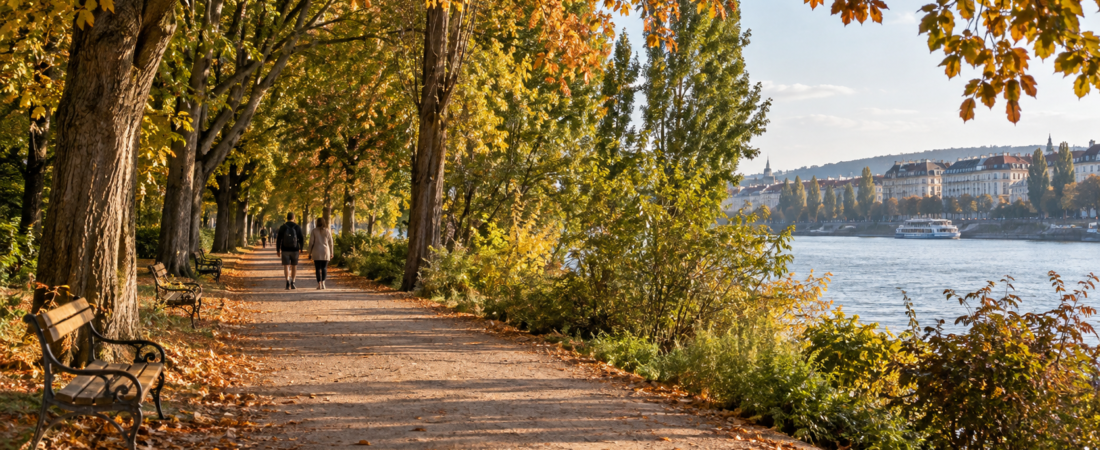
The best time to visit Budapest depends on what you want from your trip. Spring and early autumn are excellent choices for long sightseeing walks. Summer brings outdoor events and lively evenings, while winter gives the city a festive atmosphere and plenty of reasons to step inside a café or thermal bath.
If this is your first visit and you want to explore both sides of the Danube comfortably, start by looking at May, early June, or September. You can still have a rewarding trip at any time of year; the key is to plan for the season you choose.
Use our Budapest travel guide for an overview of the city, then follow our 3-day Budapest itinerary when you are ready to plan your days.
When is the best time to visit Budapest overall?
For many first-time visitors, late spring and early autumn offer the best balance. These periods suit a trip built around walking through the Castle District, exploring central Pest, spending time beside the Danube, and taking breaks at outdoor cafés.
May and September are particularly good months to consider. The weather can still change from day to day, so pack a light layer and check the forecast shortly before you travel. If you have fixed dates, there is no need to avoid other months; adjust your activities to the conditions instead.
Budapest has a continental climate, with summers that can be hot and winters that can be cold. That difference matters most if your itinerary involves several hours outdoors each day.
Budapest in spring: March to May
Spring is a lovely season for seeing the city come back to life. Parks and gardens gain color, terraces reopen, and a walk through Buda or along the river can become a highlight of the day.
March can still feel cool, so plan a mix of outdoor sightseeing and indoor stops. April brings a more springlike atmosphere, although a jacket and an umbrella remain useful. By May, longer walks and time outdoors are generally easier to build into a visit.
Consider spring if you want to visit major sights without designing every day around summer heat. On a pleasant day, combine the Castle District with a walk beside the Danube. Keep a museum, market, or café in mind for a wet afternoon.
Spring is best for: Walking, gardens, outdoor cafés, and a flexible sightseeing itinerary.
Budapest in summer: June to August
Summer gives Budapest an energetic feel. Outdoor venues, terraces, festivals, and longer evenings create more opportunities to stay out after a day of sightseeing. It is a good season if that atmosphere is central to your plans.
The main consideration is heat. On a hot day, start with outdoor sights in the morning, take a longer break in the middle of the day, and return to the streets in the evening. Carry water and leave room in your schedule to slow down.
If you are traveling during a major event or a popular holiday period, look at accommodation early and check the official event details for your exact dates. Event schedules can change from year to year, so avoid planning around a festival until you have confirmed it is taking place during your visit.
Summer is best for: Outdoor events, lively evenings, and travelers who are comfortable adapting their days to warmer weather.
Budapest in autumn: September to November
Autumn is an appealing choice if you enjoy city walks and a slower pace. September is one of the easiest months to recommend for a first visit: it can work well for a full day of sightseeing followed by dinner and an evening walk.
As autumn continues, bring warmer layers and allow for shorter daylight hours. Parks, riverside paths, cafés, museums, and thermal baths give you ways to enjoy the city even when the weather changes.
If you want to see several neighborhoods, autumn is a good time to keep the plan flexible. Spend a clear day outdoors in Buda or on Margaret Island, then use a cooler or rainy day for indoor attractions.
Autumn is best for: Walking, cafés, cultural stops, and travelers who prefer a less summer-focused trip.
Budapest in winter: December to February
Winter is cold, but it has its own appeal. In the festive period, illuminated streets and seasonal markets can make an evening walk memorable. Thermal baths, museums, restaurants, and cafés also give you plenty to do between shorter outdoor visits.
December is the month to consider if Christmas atmosphere is your main reason for visiting. Check the dates and opening hours of any market or attraction you especially want to see; they may differ across the season and around public holidays.
January and February suit travelers who do not mind bundling up and want to build their days around a combination of indoor sights and shorter walks. Wear shoes comfortable for cold or wet streets, and keep your sightseeing schedule realistic.
Winter is best for: Festive travel, thermal baths, museums, cafés, and travelers who enjoy a colder city break.
Best time for different travel plans
For a first sightseeing trip: Choose May, early June, or September if your dates are flexible.
For outdoor events and long evenings: Look at summer, then verify the event calendar for your travel dates.
For parks and relaxed walks: Consider late spring or early autumn.
For Christmas atmosphere: Plan for the festive period in December and confirm market opening dates before booking.
For thermal baths and indoor culture: These can fit into a trip in any season, but they are especially welcome on cold or rainy days.
What to pack for Budapest by season
In spring and autumn, bring layers, comfortable walking shoes, and something for occasional rain. A day that starts cool may feel quite different by the afternoon.
In summer, pack light clothing, sun protection, and a reusable water bottle. Choose shoes you can wear for long walks, even if you plan to use public transport.
In winter, bring a warm coat, layers, and footwear suitable for cold or wet conditions. A scarf and gloves can make time outdoors much more comfortable.
Whatever the month, check the forecast just before departure. Seasonal patterns help with planning, but they cannot tell you exactly what the weather will be like during your stay.
Final recommendation
If you can choose your dates freely, May or September is a strong starting point for a first Budapest trip. Both suit an itinerary centered on exploring the city on foot. Choose summer if outdoor events and lively evenings matter most to you, or December if you want a festive city break.
Once you know when you are going, read our guide to where to stay in Budapest and use the 3-day Budapest itinerary to plan your route. You can also browse all our Travel Guides and Itineraries for more destinations.