
The best time to visit Amsterdam is generally between April and May or from September to early October. These periods offer a good balance of comfortable weather, attractive scenery and manageable crowds, although accommodation prices can remain high during major events.
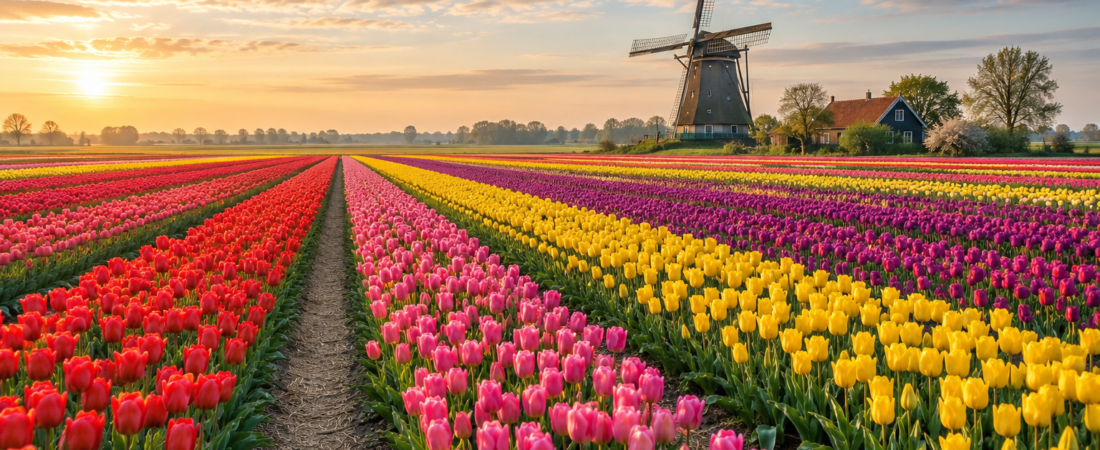
Spring is famous for tulips and flowering parks, while summer brings long days, festivals and lively outdoor spaces. Autumn offers colourful canals and a strong cultural calendar. Winter is colder and darker but can provide lower prices, smaller crowds and a cosy atmosphere.
The right season depends on whether your priority is weather, flowers, festivals, affordability or quieter sightseeing. This guide compares every season to help you choose the best time for your Amsterdam trip.
Best Time to Visit Amsterdam at a Glance
- Best overall weather: May to early June and September
- Best for tulips: Late March to early May
- Best for long days and outdoor activities: June to August
- Best for fewer crowds: November, January and February
- Best for potentially lower accommodation prices: January and February
- Best for autumn colours: Late September to early November
- Best for festivals and nightlife: April and June to October
- Best for museums: November to March, excluding holidays
- Best balance of weather and crowds: May, September and early October
Spring in Amsterdam: March to May
Spring is one of Amsterdam’s most popular and attractive seasons. Temperatures gradually rise, trees regain their leaves and tulips brighten parks, squares and nearby flower-growing areas.
Amsterdam in March
March marks the beginning of spring, but the weather can still feel wintry. Expect cool mornings, occasional rain and rapidly changing conditions.
The city is generally quieter at the start of the month, making March a good option for museums and indoor attractions. Flower season usually begins later in March, although blooming depends on weather conditions.
Pack layers, a waterproof outer jacket and comfortable shoes. Do not rely on consistently warm or sunny weather.
Advantages:
- Smaller crowds than April and May
- Early spring atmosphere
- Good conditions for museums
- Potentially better hotel availability
Disadvantages:
- Cool and unpredictable weather
- Limited early-season flowers
- Outdoor terraces may not always be comfortable
Amsterdam in April
April is one of the most exciting months to visit Amsterdam. Tulips appear around the city, daylight hours increase and outdoor areas become livelier.
King’s Day takes place annually on 27 April and transforms Amsterdam into a huge orange-coloured celebration. It is an unforgettable experience for visitors who enjoy street parties and large crowds, but transport restrictions and high accommodation demand require advance planning.
April weather is highly variable. A bright and mild afternoon can quickly be followed by wind or rain, so carry a compact umbrella or waterproof jacket.
Advantages:
- Tulip displays and spring colours
- King’s Day celebrations
- Longer and brighter days
- Parks and canal-side terraces reopening
Disadvantages:
- Large crowds around King’s Day
- Higher accommodation prices
- Unpredictable rain and wind
- Popular attractions sell out quickly
Amsterdam in May
May is one of the best months for a first visit. Weather is usually milder, parks become greener and the city’s outdoor spaces feel lively without consistently reaching peak-summer crowd levels.
Early May can still overlap with flower season, while later in the month is ideal for canal cruises, neighbourhood walks and cycling. Accommodation remains expensive, especially around weekends and public holidays.
Advantages:
- Comfortable sightseeing conditions
- Green parks and attractive canals
- Longer daylight hours
- Good balance of indoor and outdoor activities
Disadvantages:
- Popular travel period
- Higher weekend hotel rates
- Advance museum reservations remain important
Summer in Amsterdam: June to August
Summer brings Amsterdam’s longest days, warmest conditions and busiest outdoor calendar. Parks, terraces, canals and festival venues become particularly lively.
Amsterdam in June
June offers long daylight hours and generally pleasant temperatures. It is one of the best months for canal cruises, walking tours, cycling and outdoor dining.
Crowds increase as the month progresses, but June can feel slightly calmer than July and August. Book centrally located accommodation and major attractions well in advance.
Advantages:
- Very long days
- Comfortable outdoor sightseeing
- Active festival calendar
- Excellent conditions for canal cruises
Disadvantages:
- Rising accommodation prices
- Increasing visitor numbers
- Occasional warm or rainy periods
Amsterdam in July
July is part of Amsterdam’s peak visitor season. The city is energetic, outdoor events are common and daylight lasts well into the evening.
Weather can be pleasantly warm, but rain remains possible. Heatwaves occasionally occur, and some older hotels may not have air conditioning.
Expect queues, busy streets and high accommodation prices. Reserve museums, canal cruises and popular restaurants before travelling.
Advantages:
- Warm weather and long evenings
- Festivals and outdoor entertainment
- Parks and terraces at their liveliest
- Ideal for combining Amsterdam with regional trips
Disadvantages:
- Heavy crowds
- Expensive accommodation
- Limited last-minute availability
- Some hotel rooms can become warm
Amsterdam in August
August remains busy and lively. It is a popular month for families, international tourists and major cultural events.
Warm days are possible, but the weather can change quickly. Pack light clothing along with a rain layer.
Visitors attending Pride celebrations or other large events should reserve accommodation particularly early. Exact event dates vary each year.
Advantages:
- Lively outdoor atmosphere
- Long daylight hours
- Strong events programme
- Good time for parks and waterfront areas
Disadvantages:
- Peak-season crowds
- High hotel prices
- Busy public transport and attractions
- Greater need for advance reservations
Autumn in Amsterdam: September to November
Autumn is an excellent alternative to spring. Temperatures gradually cool, canal-side trees change colour and the city’s museums and cultural venues begin a busy new season.
Amsterdam in September
September is one of the best times to visit Amsterdam. The weather is often comfortable, daylight remains sufficient for long sightseeing days and peak summer crowds begin to decrease.
The city still feels active, with outdoor terraces and canal cruises operating normally. Accommodation can remain expensive, particularly during weekends and events, but the overall experience is often more relaxed than in July or August.
Advantages:
- Pleasant sightseeing weather
- Fewer crowds than peak summer
- Attractive parks and canals
- Good balance of indoor and outdoor activities
Disadvantages:
- Prices may remain relatively high
- Rain and cooler evenings become more likely
- Popular attractions still require reservations
Amsterdam in October
October brings colourful foliage, cooler weather and a lively cultural programme. Canal walks are especially attractive when trees turn yellow and orange.
Amsterdam Dance Event usually creates extremely high demand during part of October. Travellers not attending the event should check dates before booking because accommodation prices and nightlife crowds can increase significantly.
Advantages:
- Beautiful autumn scenery
- Excellent museums and cultural events
- Cooler walking conditions
- Cosy cafés and restaurants
Disadvantages:
- More frequent rain
- Shorter daylight hours
- High demand during major events
- Evenings can feel cold
Amsterdam in November
November is quieter, darker and wetter. It is a useful month for budget-conscious travellers who prioritise museums, cafés and indoor attractions over outdoor activities.
Days are noticeably shorter, so organise outdoor sightseeing around the limited daylight. Bring warm, waterproof clothing.
Advantages:
- Smaller crowds
- Better chance of accommodation deals
- Easier museum visits
- Cosy indoor atmosphere
Disadvantages:
- Short days
- Cool, damp and windy conditions
- Less appealing for long outdoor walks
- Some seasonal outdoor activities may be limited
Winter in Amsterdam: December to February
Winter is Amsterdam’s quietest season outside the Christmas and New Year period. The city can be cold, windy and damp, but festive lights and cosy interiors create a distinctive atmosphere.
Snow is possible but should not be expected. Rain and chilly wind are more common, so warm waterproof clothing is more useful than preparing only for snow.
Amsterdam in December
December brings festive decorations, seasonal events and illuminated streets. It is an atmospheric time to explore museums, cafés and evening canal views.
Crowds and prices can increase around Christmas and New Year. Book early if visiting during the final two weeks of December.
Advantages:
- Festive atmosphere
- Decorative lights and seasonal events
- Excellent time for museums and cafés
- Attractive evening canal views
Disadvantages:
- Short daylight hours
- Cold, damp weather
- Holiday-period crowds
- Increased prices around Christmas and New Year
Amsterdam in January
January is often one of the quietest and most affordable periods. Visitors who do not mind cold weather can enjoy museums and central attractions with fewer people.
Some restaurants, attractions or tours may operate reduced schedules, so check opening times before visiting.
Advantages:
- Smaller crowds
- Potentially lower hotel rates
- Easier access to museums
- Calm neighbourhood atmosphere
Disadvantages:
- Cold and limited daylight
- Frequent wind or rain
- Reduced seasonal atmosphere after New Year
- Fewer outdoor events
Amsterdam in February
February remains cold but gradually gains more daylight. It can be a practical choice for an affordable cultural trip focused on museums, food and neighbourhood cafés.
Valentine’s Day may increase demand for romantic hotels and restaurants, particularly over the nearest weekend.
Advantages:
- Relatively quiet sightseeing
- Potential accommodation savings
- Good month for culture and museums
- Gradually increasing daylight
Disadvantages:
- Cold and changeable conditions
- Limited flowers and greenery
- Outdoor sightseeing may be uncomfortable
When Is Tulip Season in Amsterdam?
Tulip season generally runs from late March until early May, although exact flowering times depend on winter and spring weather.
April is usually the most popular month for flower-focused trips. Tulips can be seen in public spaces around Amsterdam, while the wider region offers gardens and commercial flower fields.
Keukenhof operates only during a limited spring season, and its dates change annually. Check the official website before booking flights or accommodation specifically for a garden visit.
Flower fields are working agricultural land. View them only from permitted areas, follow signs and never walk between rows without the grower’s permission.
When Is Amsterdam Most Crowded?
Amsterdam is generally busiest during:
- Tulip season in April
- King’s Day around 27 April
- Easter and spring holidays
- Summer from June to August
- Pride celebrations
- Amsterdam Dance Event in October
- Christmas and New Year
Crowd levels also rise over weekends throughout the year. Visiting major attractions early in the morning and reserving timed tickets can make busy periods more manageable.
Cheapest Time to Visit Amsterdam
January, February and parts of November often provide the best opportunity for lower accommodation prices. However, rates vary according to weekends, conferences, concerts and major events.
For better value:
- Compare Sunday-to-Thursday dates
- Avoid major festivals and public holidays
- Book accommodation outside the innermost Canal Ring
- Choose a property close to a tram or metro stop
- Reserve refundable accommodation early and monitor prices
- Compare the full cost, including taxes and breakfast
Amsterdam is rarely a truly inexpensive destination, but travelling outside peak periods can reduce accommodation and flight costs.
What to Pack for Amsterdam
Amsterdam’s weather can change quickly in every season.
Spring
Bring layers, a light waterproof jacket, comfortable shoes and a compact umbrella.
Summer
Pack light clothing, sun protection, a reusable water bottle and a light rain jacket. Check whether your accommodation provides air conditioning if warm rooms concern you.
Autumn
Bring layers, waterproof footwear and a warmer jacket. Gloves or a scarf may be useful later in the season.
Winter
Pack a warm waterproof coat, gloves, a scarf and footwear suitable for wet pavements. Wind can make temperatures feel colder.
Best Time for a 3-Day Amsterdam Trip
For a short first visit, May and September are particularly convenient. The weather usually supports walking and canal cruises, while daylight hours allow you to fit more into each day.
April is ideal for tulips and celebrations but requires earlier booking. January and February work well for visitors focused on museums who want to avoid crowds.
Use our 3 days in Amsterdam itinerary to organise the city’s principal attractions efficiently.
Final Recommendation
For most travellers, the best time to visit Amsterdam is May or September. Both months usually provide a favourable balance of weather, daylight, scenery and crowd levels.
Choose April for tulips and King’s Day, June to August for long days and outdoor events, October for autumn colour and culture, or January and February for quieter sightseeing and possible savings.
Regardless of the season, reserve popular museums and accommodation early, pack for changing weather and leave some flexibility in your plans.
For attractions, transport and practical advice, read our complete Amsterdam travel guide. If you are still choosing accommodation, compare the neighbourhoods in our guide to where to stay in Amsterdam.
Explore more seasonal advice on our travel guides page.