
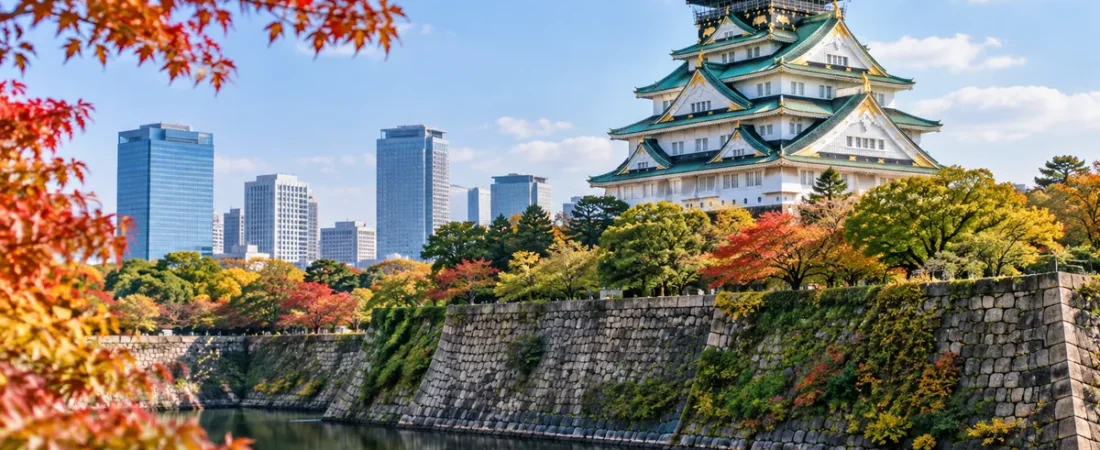
Osaka is one of Japan’s most exciting cities, combining famous street food, neon-lit entertainment districts, historic landmarks, lively shopping streets and easy access to some of the country’s most popular day-trip destinations. This Osaka travel guide covers the essential things first-time visitors need to know, from the best attractions and neighborhoods to transport, food and practical travel tips.
Compared with Tokyo, Osaka often feels more compact and informal. Many of its biggest attractions are concentrated around a handful of districts, making the city relatively easy to explore even on a short trip. Spend your days visiting Osaka Castle and traditional neighborhoods, then head to Dotonbori after dark for illuminated signs, restaurants and some of Japan’s best-known comfort food.
Price note: All prices in this article are approximate and were checked at the time of publication. Prices may change.
Why Visit Osaka?
Osaka is an excellent destination for travelers who want a mixture of modern Japan, traditional culture and memorable food.
The city is particularly famous for its casual dining culture. Takoyaki, okonomiyaki and kushikatsu are among the local specialties worth trying, but food is only part of Osaka’s appeal.
Historic Osaka Castle provides a link to the city’s samurai-era past, while districts such as Shinsekai offer a completely different atmosphere. Around Namba and Shinsaibashi, enormous shopping arcades and entertainment streets stay busy well into the evening.
Osaka is also a practical base for exploring the wider Kansai region. Kyoto, Nara, Kobe and Himeji can all be considered for day trips or as additional stops on a longer Japan itinerary.
Top Tours & Experiences in Osaka
Discover popular Osaka tours and experiences. Check current availability, ratings and prices before you book.
Affiliate disclosure: If you book through these links, we may earn a commission from Viator. This does not increase the price you pay.
Best Things to Do in Osaka
Explore Osaka Castle
Osaka Castle is one of the city’s most recognizable landmarks and a natural starting point for first-time visitors.
The reconstructed castle tower houses the Osaka Castle Museum, where exhibits explain the castle’s history and its connections with Toyotomi Hideyoshi and the unification of Japan.
The museum is generally open from 9:00 a.m. to 6:00 p.m., with last admission at 5:30 p.m. Adult admission is ¥1,200. The surrounding Osaka Castle Park can be explored without entering the museum and is particularly attractive during seasonal blossom periods.
Allow additional time to walk through the park rather than visiting only the castle tower.
Experience Dotonbori at Night
Few places capture Osaka’s energy better than Dotonbori.
This entertainment district beside the canal is filled with restaurants, illuminated advertisements and enormous three-dimensional shop signs. The famous Glico running-man sign is one of Osaka’s classic photo stops.
Dotonbori is enjoyable during the day, but the district becomes especially atmospheric after sunset when its signs reflect across the canal.
Come hungry. This is one of the easiest areas to sample takoyaki, okonomiyaki, ramen, sushi and countless other Japanese dishes.
Walk Through Shinsaibashi
Shinsaibashi is Osaka’s major shopping district and connects naturally with Dotonbori.
Shinsaibashi-suji is a long covered shopping arcade containing everything from international brands to Japanese fashion stores, pharmacies and smaller specialty shops.
The nearby Amerikamura area offers a younger and more alternative atmosphere, with vintage clothing, street fashion, cafés and independent stores.
Combining Shinsaibashi, Amerikamura and Dotonbori creates an easy half-day walking route.
Discover Shinsekai and Tsutenkaku
Shinsekai is one of Osaka’s most distinctive neighborhoods.
The area developed around Tsutenkaku Tower and still has a colorful retro character. Restaurants, bright signs and narrow streets make it an interesting contrast to polished commercial areas such as Umeda.
Shinsekai is particularly associated with kushikatsu — skewered meat, seafood and vegetables that are breaded and deep-fried.
Even if you decide not to enter Tsutenkaku Tower, walking through the surrounding streets is worthwhile.
Visit Osaka Aquarium Kaiyukan
Osaka Aquarium Kaiyukan is one of the city’s major family attractions and occupies a waterfront location in the Tempozan Harbor Village area.
Its large central Pacific Ocean exhibit is the highlight, with visitors gradually moving through different marine environments as they descend through the building.
Kaiyukan uses variable admission pricing, so check the price calendar for your exact visit date before purchasing tickets. Opening hours can also vary by date.
The surrounding harbor area includes shops, restaurants and the Tempozan Giant Ferris Wheel, making it easy to spend several hours here.
Explore Kuromon Ichiba Market
Kuromon Ichiba Market has served Osaka residents for generations and has become a popular stop for visitors interested in Japanese food.
The covered market contains seafood stalls, fruit shops, meat sellers and prepared-food counters. You may find grilled seafood, sushi, wagyu dishes, fresh fruit and sweets.
It is worth remembering that Kuromon remains a functioning commercial market rather than simply a tourist attraction. Be considerate around busy stalls and avoid blocking narrow walkways while eating or taking photographs.
See Osaka from Umeda
Umeda is Osaka’s major northern commercial district and one of the city’s principal transport hubs.
The area surrounding Osaka and Umeda stations is packed with department stores, underground shopping areas, restaurants and modern office towers.
For panoramic views, the Umeda Sky Building is among the district’s best-known landmarks. Even travelers who skip an observation deck should spend some time exploring Umeda’s huge interconnected station complex and surrounding streets.
Best Areas to Explore in Osaka
Osaka does not have one single sightseeing center, so choosing neighborhoods strategically can save considerable travel time.
Namba and Dotonbori
For first-time visitors who want restaurants, nightlife and easy access to major attractions, Namba is one of the most convenient areas.
Dotonbori, Shinsaibashi and Kuromon Ichiba Market are all nearby, while Nankai Namba Station provides direct connections toward Kansai International Airport.
Umeda
Umeda is convenient for travelers planning rail journeys around the Kansai region. Osaka Station and the surrounding railway terminals provide excellent connections, while the district itself offers enormous shopping centers and plenty of dining.
Tennoji and Shinsekai
Tennoji can be a good alternative for visitors who prefer to stay slightly away from Dotonbori while retaining convenient transport.
Nearby attractions include Shinsekai, Tsutenkaku and Tennoji Park.
What to Eat in Osaka
Food should be a major part of any Osaka visit.
Takoyaki
These small batter balls traditionally contain pieces of octopus and are cooked in distinctive round molds. They are usually topped with sauce, mayonnaise and bonito flakes.
Okonomiyaki
Often described as a savory Japanese pancake, okonomiyaki typically combines batter, cabbage and various fillings before being cooked on a griddle.
Kushikatsu
Kushikatsu consists of ingredients placed on skewers, coated in breadcrumbs and deep-fried. Shinsekai is particularly famous for it.
Kitsune Udon
This comforting noodle dish is topped with sweet seasoned fried tofu. Osaka has long associations with udon culture, making it another good local option.
Rather than trying to fit every famous dish into one restaurant meal, sample different foods as you move between neighborhoods.
Getting Around Osaka
Osaka has an extensive public transport network, and most visitors can explore the city comfortably without taxis.
Osaka Metro is particularly useful for sightseeing. Standard adult subway fares currently range from ¥190 to ¥390 depending on distance.
The one-day Enjoy Eco Card provides unlimited travel on most Osaka Metro and Osaka City Bus services. The adult price is currently ¥820 on weekdays and ¥620 on Saturdays, Sundays and public holidays. Some routes and Yumesaki/Yumeshima-related conditions are excluded, so check coverage before relying on the pass.
IC cards are another convenient option. Instead of purchasing individual tickets, simply load credit onto a compatible card and tap through ticket gates.
Walking remains important too. Neighborhoods such as Dotonbori, Shinsaibashi, Amerikamura and Namba are best explored partly on foot.
Getting from Kansai International Airport to Osaka
Kansai International Airport is the main international gateway for Osaka.
Nankai Railway connects Kansai Airport directly with Namba. The Limited Express Rapi:t can make the journey in as little as approximately 34 minutes, while the Airport Express takes around 45 minutes.
Rapi:t requires a limited-express ticket in addition to the applicable fare. Nankai also sells digital discounted products, so check the current options before travelling rather than automatically purchasing the first ticket available.
Travelers staying closer to Osaka Station or continuing elsewhere in the Kansai region may find JR services more convenient.
Osaka Accommodation Tax
Osaka Prefecture charges an accommodation tax based on the accommodation price per person per night.
For stays from September 1, 2025, the tax is:
- Under ¥5,000 per person per night: no accommodation tax
- ¥5,000 to under ¥15,000: ¥200
- ¥15,000 to under ¥20,000: ¥400
- ¥20,000 or more: ¥500
The accommodation provider normally collects the tax. Depending on how your booking was made, it may not have been included in the amount you originally paid online.
Best Time to Visit Osaka
Spring and autumn are generally the most comfortable seasons for sightseeing.
Late March into April attracts visitors hoping to see cherry blossoms, while October and November usually offer pleasant temperatures and autumn scenery.
Summer is hot and humid, but it also brings festivals and a lively atmosphere. June and part of July can experience frequent rain.
Winter is cooler and generally less humid. December illuminations can make evening walks particularly enjoyable, while January and February are good months for travelers comfortable with colder weather.
Whenever you visit, check the forecast shortly before departure because conditions can vary considerably.
How Many Days Do You Need in Osaka?
3 days is a comfortable amount of time for a first visit.
One day can focus on Osaka Castle, Umeda and central neighborhoods. Another can cover Kuromon Market, Namba, Shinsaibashi and Dotonbori, while a third could include the aquarium, Shinsekai or another attraction that matches your interests.
With four or five days, you can travel at a slower pace or add a day trip to Kyoto, Nara, Kobe or Himeji.
Osaka also works extremely well as part of a longer Kansai trip because of its extensive railway connections.
Practical Osaka Travel Tips
Carry some Japanese yen even if you mainly use cards. Cashless payments are widespread, but smaller restaurants, vending machines and traditional businesses may have different payment arrangements.
Avoid planning too many distant neighborhoods on the same day. Osaka looks compact on a map, but station transfers and large commercial complexes can take longer than expected.
Use public transport for longer journeys and walk within individual districts. This usually provides a better experience than repeatedly entering the subway for very short trips.
Restaurants in Dotonbori can become extremely busy at peak dining times. Eating slightly earlier or later can reduce waiting.
Finally, leave room in your schedule for unplanned exploration. Some of Osaka’s most enjoyable experiences come from wandering through shopping arcades, side streets, food halls and neighborhoods that were not originally on your itinerary.
Is Osaka Worth Visiting?
Absolutely. Osaka offers a distinctive combination of historic landmarks, modern entertainment, excellent transport and one of Japan’s most celebrated food cultures.
First-time visitors can experience Osaka Castle in the morning, explore markets and shopping arcades in the afternoon, and finish the day surrounded by Dotonbori’s neon lights and restaurants.
The city is also an ideal gateway to the wider Kansai region, making it easy to combine Osaka with several of Japan’s most famous destinations.
Whether you visit for a weekend or use the city as a base for a longer trip, Osaka delivers an energetic and approachable introduction to urban Japan.
Book Your Osaka Experiences
Ready to start planning? Compare popular Osaka tours and activities, check current prices and availability, and book the experiences that suit your trip.
Affiliate disclosure: If you book through these links, we may earn a commission from Viator. This does not increase the price you pay.
Explore more places through our destinations page or browse our complete collection of itineraries.