
Planning your first visit to Spain’s capital? This 3 days in Madrid itinerary combines royal landmarks, famous art museums, historic neighbourhoods, beautiful parks and memorable food experiences without making each day uncomfortably rushed. For more background about transport, accommodation areas and local customs, read our complete Madrid travel guide.
Price note: All prices in this article are approximate and were checked at the time of publication. Prices may change.
Three Days in Madrid at a Glance
Day 1: Historic and Royal Madrid
- Puerta del Sol
- Plaza Mayor
- Mercado de San Miguel
- Almudena Cathedral
- Royal Palace of Madrid
- Plaza de España
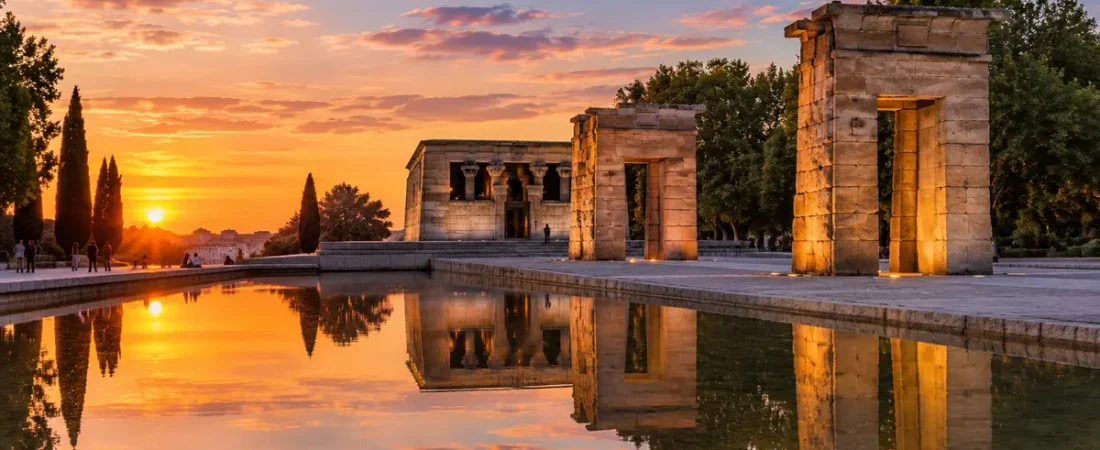
- Templo de Debod
Day 2: Art and Retiro Park
- Prado Museum
- Paseo del Prado
- El Retiro Park
- Puerta de Alcalá
- Reina Sofía Museum
- Barrio de las Letras
Day 3: Modern Madrid and Local Neighbourhoods
- Santiago Bernabéu or Salamanca
- Plaza de Cibeles
- Gran Vía
- Chueca
- Malasaña
- La Latina tapas evening
This itinerary assumes that you have three complete sightseeing days. If your arrival and departure days reduce your available time, prioritise the Royal Palace, historic centre, Prado Museum and Retiro Park.
Top Tours & Experiences in Madrid
Discover popular Madrid tours and experiences. Check current availability, ratings and prices before you book.
Affiliate disclosure: If you book through these links, we may earn a commission from Viator. This does not increase the price you pay.
Before Starting Your Madrid Itinerary
Madrid’s central attractions are close enough for plenty of walking, but you will still use the metro for longer journeys. Comfortable shoes are essential because the itinerary includes historic streets, parks and museum galleries.
Reserve timed admission for the Royal Palace and Prado Museum before your trip, particularly if you are visiting during spring, autumn, weekends or public holidays.
The Reina Sofía Museum is closed on Tuesdays. If your second day falls on a Tuesday, swap Day 2 with Day 1 or Day 3.
Day 1: Historic and Royal Madrid
Your first day introduces Madrid’s historic centre, most important royal landmarks and one of its best sunset locations.
9:00 – Begin at Puerta del Sol
Start at Puerta del Sol before the square becomes crowded. This central meeting place contains the Bear and the Strawberry Tree statue, one of Madrid’s most recognisable symbols.
Look for the Kilometre Zero marker near the regional government building. It represents the starting point of Spain’s radial road network.
From Puerta del Sol, walk along Calle Mayor towards Plaza Mayor. The journey takes approximately ten minutes, but allow extra time to explore the surrounding streets.
9:45 – Explore Plaza Mayor
Enter Plaza Mayor through one of its arched gateways and walk around the grand rectangular square. Its red façades, arcades and balconies make it one of the city’s most attractive historic spaces.
Walking through Plaza Mayor is free. Restaurants directly on the square are usually more expensive, so consider stopping in one of the surrounding streets if you want breakfast or coffee.
Madrid’s famous calamari sandwich, or bocadillo de calamares, is widely available around Plaza Mayor. It makes an inexpensive snack, although you may prefer to save it for lunch.
10:30 – Visit Mercado de San Miguel
Mercado de San Miguel is a short walk from Plaza Mayor. The historic market building now contains counters selling tapas, seafood, pastries, cheeses and drinks.
Browsing is free, but this is a premium food market rather than a traditional budget market. Small portions commonly cost approximately €4–€8. Try one or two items instead of purchasing an entire meal if you are watching your budget.
The market can become extremely busy around lunchtime. An earlier visit makes it easier to move between the counters.
11:15 – See Almudena Cathedral
Continue towards Almudena Cathedral, located opposite the Royal Palace. Its modern interior looks noticeably different from Madrid’s older churches.
General entry is usually donation-based. Access to the museum and cathedral dome requires a separate paid ticket. The dome provides views across the palace area and western Madrid, but skip it if you want more time inside the Royal Palace.
Dress respectfully and avoid visiting during religious services unless you are attending the service.
12:15 – Tour the Royal Palace of Madrid
The Royal Palace is the main attraction of Day 1. Although the Spanish royal family does not live here, the palace continues to host state ceremonies and official events.
Visitor routes normally include the grand staircase, state apartments, banquet rooms and Throne Room. Individual rooms may close without advance notice when official activities are taking place.
Allow approximately 90 minutes to two hours. Standard self-guided admission generally begins at approximately €18, while combined or guided options cost more. Book a timed ticket and arrive early enough to complete the security check.
The palace’s opening arrangements can change during official ceremonies, so confirm your selected date before visiting.
14:30 – Lunch Near Ópera or La Latina
After leaving the palace, have lunch near Ópera or walk towards La Latina. A weekday menú del día commonly includes two courses, dessert or coffee and a drink for approximately €14–€22.
Traditional options include tortilla española, croquettes, grilled meat and cocido madrileño. Madrid’s lunch period usually begins around 14:00, so this timing fits local dining habits.
16:00 – Walk Through the Sabatini Gardens
The Sabatini Gardens beside the Royal Palace provide formal hedges, fountains and excellent palace views. Entry is free.
The gardens offer a relaxing break after lunch and normally require only 30–45 minutes. Opening hours can vary seasonally.
You can also view Campo del Moro from the palace area, although its entrances and opening arrangements are separate from the Sabatini Gardens.
17:00 – Continue to Plaza de España
Walk towards Plaza de España to see the monument to Miguel de Cervantes and the characters Don Quixote and Sancho Panza. The landscaped square is a pleasant place to rest before the final stop.
The surrounding district connects the historic centre with Gran Vía and Parque del Oeste.
18:00 – Watch Sunset at Templo de Debod
Finish the day at Templo de Debod, an ancient Egyptian temple presented to Spain and reconstructed in Parque del Oeste.
Access to the surrounding park and exterior viewpoints is free. Interior entry is also generally free when open, but capacity is limited and opening times are shorter than those of the park. Do not depend on entering the monument late in the day.
Arrive approximately 45 minutes before sunset. The viewpoint beyond the temple offers broad views towards Casa de Campo and the western horizon.
Evening Option
Return to the centre for dinner near Plaza de España, Gran Vía or La Latina. A casual dinner with a drink generally costs around €20–€35 per person.
Day 2: Madrid’s Art Museums and Retiro Park
Day 2 covers Madrid’s celebrated museum district and its most famous central park. Wear comfortable shoes because large museums involve considerable walking.
9:30 – Arrive at the Prado Museum
Start at the Prado Museum shortly before opening. The museum normally opens at 10:00, and arriving early helps you avoid some of the busiest entry periods.
General admission is approximately €15. Standard hours are usually 10:00–20:00 from Monday to Saturday and 10:00–19:00 on Sundays and public holidays.
The collection is enormous, so concentrate on selected highlights rather than trying to see everything. Look for works by Velázquez, Goya, El Greco, Rubens, Bosch and Titian.
Allow approximately two and a half hours. Free entry is normally available during the final two opening hours, but queues can be lengthy and the shorter visit may feel rushed.
12:45 – Walk Along Paseo del Prado
After the museum, walk along Paseo del Prado and see the Neptune Fountain and surrounding historic buildings.
This area forms part of Madrid’s Landscape of Light, which brings together cultural institutions, monuments and green spaces along Paseo del Prado and Retiro Park.
13:15 – Lunch Near Retiro or Barrio de las Letras
Choose a restaurant near Calle de las Huertas, Plaza de Santa Ana or the streets west of Retiro Park. A menú del día is usually better value than ordering several individual courses.
Barrio de las Letras has strong literary associations and streets marked with quotations from Spanish writers. It is worth returning here for dinner if you prefer not to rush lunch.
14:30 – Explore El Retiro Park
Enter El Retiro through the western side and follow the paths towards the boating lake and Monument to Alfonso XII.
The park is free and offers gardens, fountains, shaded paths and several cultural spaces. Optional rowboat rentals on the lake require payment and may involve queues during weekends.
Continue towards the Palacio de Cristal. The building is currently subject to restoration-related closures, and weather or heat warnings can also affect access. Even when entry is unavailable, the surrounding lake and trees remain worth visiting.
Allow approximately 90 minutes to two hours for a comfortable walk.
16:30 – See Puerta de Alcalá
Leave Retiro near Puerta de Alcalá, one of Madrid’s best-known monumental gateways. The surrounding traffic makes crossing and photography easier from designated pedestrian areas.
From here, walk or take public transport towards the Reina Sofía Museum.
17:30 – Visit the Reina Sofía Museum
The Reina Sofía houses Madrid’s leading collection of modern and contemporary art. Its most famous work is Picasso’s Guernica, supported by works from Dalí, Miró and other important artists.
General admission is approximately €12. The main museum normally opens from 10:00–21:00 on Monday and Wednesday through Saturday. It closes on Tuesday.
On Sundays, it generally opens from 10:00–14:30. Free admission is normally available from 19:00–21:00 on Monday and Wednesday through Saturday, and from 12:30–14:30 on Sunday. A free ticket is still required.
If you want a quieter experience, purchase a timed ticket and enter before the free period begins. If saving money is the priority, join the evening queue early.
20:00 – Dinner in Barrio de las Letras
Finish Day 2 in Barrio de las Letras. The area around Calle de las Huertas and Plaza de Santa Ana contains tapas bars, restaurants and cafés within walking distance of the museums.
Try patatas bravas, Spanish cheeses, croquettes or huevos rotos. Order a few dishes at a time because tapas portions vary considerably between restaurants.
Day 3: Modern Madrid, Football and Neighbourhoods
The final day combines contemporary Madrid with local neighbourhoods. Football fans can begin at the Santiago Bernabéu, while other visitors can spend the morning in Salamanca.
Option A: 9:30 – Santiago Bernabéu Tour
Take the metro to Santiago Bernabéu station for a tour of Real Madrid’s stadium.
Tour routes, prices and included areas can change because of matches, events and stadium operations. Standard tickets frequently begin around €35, with higher prices for flexible or enhanced experiences.
Allow 90 minutes to two hours. Check the official match calendar before booking because access may be restricted on event days.
Option B: 9:30 – Explore Salamanca
If football is not a priority, begin in Salamanca. Walk along Calle de Serrano and explore the elegant streets surrounding Velázquez and Goya metro stations.
The district is known for designer stores, refined architecture and quieter cafés. You do not need to shop to enjoy the area, and walking through the neighbourhood is free.
12:00 – Visit Plaza de Cibeles
Travel south to Plaza de Cibeles. The famous fountain stands in front of Palacio de Cibeles, one of Madrid’s most impressive civic buildings.
The palace contains a cultural centre and may provide access to an observation deck for a small fee. Availability can change because of exhibitions, private events and maintenance.
Continue along Calle de Alcalá towards Gran Vía.
13:00 – Walk Along Gran Vía
Gran Vía is lined with theatres, shops and ornate landmark buildings. Walk west towards Callao and Plaza de España, or turn into the smaller streets leading towards Chueca.
For lunch, avoid the most prominent international chains and look in Chueca or Malasaña for independent cafés and set menus.
14:30 – Discover Chueca
Chueca is a lively, inclusive neighbourhood with boutiques, cafés and restaurants. Plaza de Chueca forms its social centre, while the surrounding streets are enjoyable for an unhurried walk.
Mercado de San Antón offers food counters and rooftop dining. Prices vary, so review menus before ordering.
16:00 – Continue to Malasaña
Walk from Chueca into Malasaña, known for street art, vintage shops, independent businesses and nightlife.
Visit Plaza del Dos de Mayo and explore the surrounding lanes. Malasaña is more about atmosphere than major monuments, making it a good contrast to the palace and museums visited during the first two days.
Stop for coffee or a snack before returning towards the historic centre.
18:30 – Finish in La Latina
Spend your final evening in La Latina. Walk along Calle de la Cava Baja, one of Madrid’s best-known tapas streets, and choose several places rather than remaining in one restaurant all evening.
On Sundays, the neighbourhood also hosts El Rastro market during the morning. If your third day falls on a Sunday, consider visiting El Rastro before the football stadium or Salamanca.
A relaxed tapas evening is an ideal conclusion to three days in Madrid.
How Much Does This Madrid Itinerary Cost?
Excluding accommodation, shopping and the optional stadium tour, a typical traveller might spend:
- Attractions: €45–€65
- Public transport: €10–€20
- Food and drinks: €90–€165
- Approximate three-day total: €145–€250 per person
Using museum free-entry periods and eating menús del día can reduce the cost. Adding the Bernabéu tour, palace upgrades, taxis or premium restaurants will increase it.
Getting Around During This Itinerary
Most of Day 1 can be completed on foot. Day 2 requires a combination of walking and possibly one metro or bus journey. Day 3 involves more public transport, especially if you visit the Bernabéu.
Madrid metro tickets generally cost approximately €1.50–€2 within Zone A, depending on the applicable fare structure. City-bus tickets are approximately €1.50.
Compare individual fares, a ten-journey ticket and the Tourist Travel Pass based on how often you expect to use public transport. Madrid has announced transport-fare changes, so confirm the displayed price at the machine.
Where to Stay for This Itinerary
The most convenient bases are:
- Sol or Gran Vía: Best for central access and first-time visitors.
- Barrio de las Letras: Ideal for the museums and evening dining.
- La Latina: Good for historic atmosphere and tapas.
- Chueca: Convenient for restaurants, nightlife and central transport.
- Chamberí: Quieter and more residential while remaining well connected.
Staying near a central metro station will make the itinerary easier even if your hotel is outside the historic centre.
Practical Tips for Three Days in Madrid
- Reserve the Royal Palace and Prado Museum before travelling.
- Do not schedule the Reina Sofía on Tuesday.
- Confirm palace access because official ceremonies can affect opening arrangements.
- Carry water during summer and avoid long outdoor walks during the hottest afternoon hours.
- Keep valuables secure in crowded squares, markets and metro carriages.
- Expect lunch and dinner to begin later than in many other countries.
- Leave some flexibility for weather, queues and unexpected attraction closures.
- Use marked taxi ranks and official transport services.
- Avoid trying to visit every room in each museum; select priority works instead.
Is Three Days in Madrid Enough?
Three days is enough to experience Madrid’s most important attractions while still enjoying its food and neighbourhood atmosphere. This itinerary includes the historic centre, Royal Palace, major museums, Retiro Park and several local districts without reducing the trip to a checklist.
Visitors interested in art could spend longer inside the museums, while football fans may want additional time for a stadium tour or match. With a fourth day, consider taking an excursion to Toledo, Segovia or El Escorial.
Book Your Madrid Experiences
Ready to start planning? Compare popular Madrid tours and activities, check current prices and availability, and book the experiences that suit your trip.
Affiliate disclosure: If you book through these links, we may earn a commission from Viator. This does not increase the price you pay.
Explore more places through our destinations page or browse our complete collection of itineraries.