
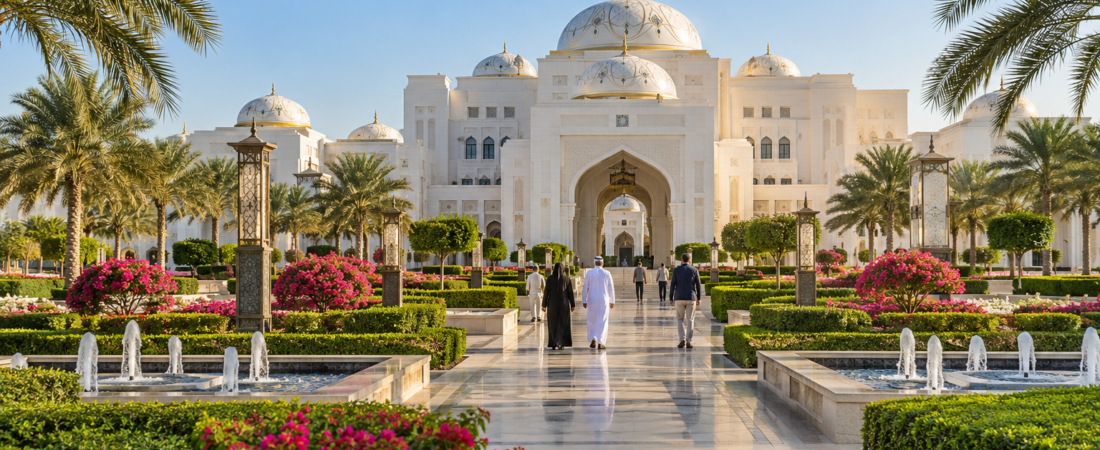
The best time to visit Abu Dhabi is generally between November and March, when warm days, cooler evenings and lower humidity make sightseeing, beaches and desert activities more comfortable.
December through February offers the most pleasant weather, but it is also the busiest and often most expensive period. Travellers looking for lower hotel prices may prefer April, May or October, while summer suits visitors who are comfortable spending most of the day inside air-conditioned attractions.
Price note: All prices in this article are approximate and were checked at the time of publication. Prices may change.
Best time to visit Abu Dhabi at a glance
Best overall weather: November to March
Best for beaches: March, April, October and November
Best for outdoor sightseeing: December to February
Best for desert activities: November to March
Best for lower hotel prices: May to September
Best balance of weather and value: April and October
Hottest period: June to September
Busiest season: December to February
Our Abu Dhabi travel guide covers the city’s attractions, transport, neighbourhoods and other practical planning information.
Abu Dhabi’s climate
Abu Dhabi has a hot, arid climate with sunshine through most of the year and relatively little rainfall.
Winter lasts approximately from December to mid-March. Average daytime temperatures are around 25°C, while evenings can feel considerably cooler, particularly near the water or in the desert.
Summer generally extends from late May through September. Average daytime highs commonly range from approximately 38°C in June to around 41°C in August, with hotter days reaching 45°C or more.
Humidity can make coastal conditions feel warmer than the measured temperature, especially during summer mornings and evenings. Even after sunset, July and August can remain extremely hot.
Rain is uncommon and falls mainly between November and March. When rain does arrive, it may be brief but occasionally heavy enough to affect roads and outdoor plans.
Abu Dhabi weather by month
The following temperatures are approximate historical averages. Actual conditions can be warmer or cooler during an individual trip.
| Month | Typical daytime high | Typical night temperature | General conditions |
|---|---|---|---|
| January | 24–26°C | 14–17°C | Mild, sunny and occasionally cool |
| February | 25–27°C | 15–18°C | Pleasant with a small chance of rain |
| March | 28–30°C | 18–21°C | Warm and excellent for beaches |
| April | 33–35°C | 22–25°C | Hotter but still manageable |
| May | 37–40°C | 26–29°C | Very hot, especially after midday |
| June | 39–42°C | 28–31°C | Extremely hot and increasingly humid |
| July | 40–43°C | 30–33°C | Extreme heat and humidity |
| August | 40–43°C | 30–33°C | Usually among the hottest months |
| September | 38–41°C | 28–31°C | Very hot, with high humidity |
| October | 34–37°C | 24–27°C | Hot early in the month, improving later |
| November | 29–32°C | 20–23°C | Warm, sunny and comfortable |
| December | 25–28°C | 16–20°C | Pleasant days and cooler evenings |
Visiting Abu Dhabi from November to March
November through March is Abu Dhabi’s main visitor season. The weather is suitable for walking along the Corniche, visiting outdoor heritage sites, kayaking through mangroves and taking desert excursions.
Advantages
Daytime temperatures are warm without the intensity of summer. You can spend longer outside and plan full sightseeing days without needing to retreat indoors every afternoon.
Beaches are comfortable, especially in November, March and warmer periods during winter. Evenings are suitable for outdoor dining, waterfront walks and desert camps.
This season also hosts many events, exhibitions, sporting activities and cultural programmes.
Disadvantages
Hotels and resorts are usually more expensive, particularly around Christmas, New Year, school holidays and major events.
Popular attractions can be busier, and beachfront resorts may sell out well in advance.
Visitors should also pack a light jacket or sweater. Winter evenings, air-conditioned interiors and early-morning desert trips can feel cooler than expected.
Typical hotel prices
Simple and mid-range rooms may cost approximately AED 300–700 per night. Upscale city hotels often range from AED 600–1,200, while luxury beach resorts can cost AED 1,000–2,500 or more.
Event weekends and holiday dates may push prices considerably higher.
Visiting Abu Dhabi in April and May
April is one of the best months for travellers seeking a compromise between comfortable conditions and slightly lower prices.
Days are hotter than in winter, but mornings and evenings can still work for outdoor attractions. The sea is warm, and beach conditions are generally good.
By May, midday temperatures become intense. Plan outdoor sightseeing early, move indoors during the afternoon and return outside after sunset.
Advantages
Accommodation may cost less than during the winter peak, especially outside school holidays and major events.
Attractions can be less crowded, and resort offers may begin appearing as summer approaches.
April is particularly suitable for travellers who enjoy hot weather but want to avoid the most extreme summer conditions.
Disadvantages
Long walks become tiring during the middle of the day. Desert excursions and exposed outdoor attractions require more careful timing.
Humidity may begin to increase, particularly toward the end of May.
Typical hotel prices
Budget and mid-range rooms may cost around AED 250–600 per night. Luxury city hotels and resorts commonly range from approximately AED 500–1,400, depending on the property and dates.
Visiting Abu Dhabi from June to September
June through September is the hottest period in Abu Dhabi. Average daytime highs frequently approach or exceed 40°C, and high humidity can make the heat feel even stronger.
The city remains open and active, but visitors must adapt their schedules. Indoor attractions, malls, hotel facilities and covered transport become much more important.
Advantages
Summer often brings the year’s lowest hotel rates. Luxury properties that may be expensive in winter can offer significant discounts, dining credits or family packages.
Indoor attractions such as Louvre Abu Dhabi, Qasr Al Watan, Warner Bros. World Abu Dhabi, SeaWorld Yas Island and shopping centres provide plenty to do away from the heat.
Crowds may be smaller at cultural attractions, although indoor family venues can become busy during school holidays.
Disadvantages
Walking outside for long periods can be uncomfortable or unsafe. Beaches may be enjoyable only early in the morning, and the sea can feel very warm.
High humidity is common near the coast. Glasses and camera lenses may fog when moving from cold interiors into hot outdoor air.
Desert safaris still operate, but the heat can reduce enjoyment, particularly before sunset. Some outdoor programmes adjust their hours or pause during the hottest months.
Typical hotel prices
Budget and mid-range rooms may fall to approximately AED 180–500 per night. Upscale city hotels can sometimes be found from around AED 350–800.
Beach resorts commonly remain more expensive, but summer packages may include meals, resort credit or activities. Compare the entire package rather than looking only at the room price.
Summer safety tips
Carry water and drink regularly, even if you do not feel thirsty.
Use high-protection sunscreen, sunglasses and a hat. Lightweight clothing should still respect local standards of modesty.
Avoid extended outdoor activity between late morning and late afternoon. Use taxis rather than walking between places that appear close on a map.
Never leave children or animals inside a parked vehicle, even briefly.
Visiting Abu Dhabi in October
October is a transitional month. The beginning of the month can still feel like summer, but conditions usually improve toward November.
It is a useful choice for travellers who want warm beaches, fewer peak-season crowds and hotel prices that may be lower than in winter.
Advantages
The sea is warm, evenings gradually become more comfortable and outdoor events begin returning.
Late October can offer a good balance between weather and value.
Disadvantages
Daytime temperatures can still reach the mid-30s, and humidity may remain noticeable.
Visitors expecting mild winter conditions may find early October much hotter than anticipated.
Typical hotel prices
Rooms commonly cost around AED 250–700 per night, depending on the hotel and how close the dates are to the start of the main visitor season.
Best time for Abu Dhabi’s beaches
March, April, October and November provide some of the best combinations of warm water and manageable air temperatures.
December through February is also pleasant, but the water may feel cool to some visitors, particularly in the morning or on windy days.
During summer, visit the beach shortly after sunrise or late in the afternoon. Always follow lifeguard instructions and pay attention to heat and humidity.
Saadiyat Island is best for a luxury beach experience, while the Corniche offers convenient public and managed beach sections. Our guide to where to stay in Abu Dhabi compares these areas and their typical hotel prices.
Best time for desert safaris
The best period for a desert safari is between November and March. Daytime temperatures are more comfortable, while sunset and evening camps can feel pleasantly cool.
Bring a light layer during winter because temperatures fall quickly after dark.
April and October can also work if you choose an afternoon departure. Summer safaris are possible but involve intense heat before sunset.
Best time for theme parks
Abu Dhabi’s indoor theme parks can be visited throughout the year.
Warner Bros. World Abu Dhabi, Ferrari World Abu Dhabi and SeaWorld Yas Island offer extensive air-conditioned environments. Yas Waterworld is most appealing during warm weather, although individual rides or sections may temporarily close for maintenance.
Weekdays outside school holidays usually have lighter crowds than weekends. UAE weekends fall on Saturday and Sunday, with Friday evening also becoming busy at many attractions.
Best time for cultural sightseeing
December through March is ideal for combining indoor museums with outdoor landmarks.
Sheikh Zayed Grand Mosque, Qasr Al Watan and Qasr Al Hosn include exposed courtyards or grounds, making cooler weather more comfortable.
Louvre Abu Dhabi is air-conditioned, but its waterfront walkways and dome are best appreciated when it is pleasant outside.
During summer, visit Sheikh Zayed Grand Mosque early in the morning or later in the evening and reserve the hottest hours for indoor attractions.
Our 3 days in Abu Dhabi itinerary groups the city’s principal sights by location and can be adjusted for different seasons.
Visiting Abu Dhabi during Ramadan
Ramadan follows the Islamic lunar calendar and begins around 10 or 11 days earlier each year. Exact dates are confirmed through moon sighting.
In 2027, Ramadan is tentatively expected to run from approximately early February to early March. Travellers should verify the confirmed UAE dates before departure.
Abu Dhabi remains welcoming to visitors during Ramadan, but daily routines change. Some attractions operate adjusted hours, entertainment may be quieter and religious sites become particularly busy around prayer times.
Many restaurants remain open during the day, especially in hotels, malls and visitor districts. However, visitors should eat and drink discreetly and follow any instructions displayed at public venues.
After sunset, the city becomes lively as residents gather for iftar. Special meals, decorations and late opening hours can make Ramadan a rewarding cultural experience.
Eid Al Fitr follows Ramadan and is a major holiday period. Hotels, attractions, malls and roads may be busy, so reserve accommodation and activities early.
Visiting during major events
Hotel prices and availability can change significantly during large exhibitions, sporting events and concerts.
The Formula 1 Abu Dhabi Grand Prix is one of the busiest periods, particularly on Yas Island. Hotels near Yas Marina Circuit can sell out or require minimum stays.
Major trade exhibitions can increase prices around the airport, Yas Island and business districts. Check Abu Dhabi’s event calendar before confirming non-refundable accommodation.
If you are not attending an event, staying near the Corniche or Saadiyat Island may help you avoid the highest Yas Island rates.
Cheapest time to visit Abu Dhabi
The cheapest time is generally during the hot summer months, particularly from June through September.
Hotels frequently offer reduced room prices, family packages and resort benefits. Flights may also be less expensive outside school holidays.
However, a cheaper summer trip is not automatically better value if most of your planned activities are outdoors. Consider whether you are comfortable organising your days around museums, malls, indoor theme parks and hotel facilities.
April, May and October can provide a better compromise, offering lower prices than the winter peak without the most severe summer conditions.
What to pack for each season
November to March
Pack lightweight daytime clothing, sun protection and a light jacket or sweater for evenings. Bring modest clothing for mosques and cultural sites.
April, May and October
Choose breathable, loose-fitting clothing, comfortable footwear, a hat and strong sunscreen. Carry a refillable water bottle.
June to September
Prioritise light fabrics, sun protection and clothing suitable for strong air conditioning. A thin layer can be useful inside malls and museums despite the heat outside.
The best month to visit Abu Dhabi
November is arguably the best all-round month. The weather is warm enough for beaches, increasingly comfortable for outdoor sightseeing and usually less crowded than the late-December holiday period.
February and March are also excellent, with mild conditions suitable for cultural attractions, desert trips and long waterfront walks.
Choose April or late October if you prefer better-value accommodation and do not mind hotter afternoons.
Ultimately, the best time to visit Abu Dhabi depends on your priorities. Winter offers the finest outdoor weather, summer brings lower hotel prices and excellent indoor entertainment, while the shoulder months provide a useful balance between the two.
Explore more places through our destinations page or browse our complete collection of itineraries.