
The best time to visit New York City is generally from April to June or September to early November. These periods usually offer comfortable weather for walking, longer daylight hours and plenty of outdoor activities.
However, every season provides a different experience. Summer brings festivals and long evenings, autumn offers colourful parks, winter creates a festive atmosphere, and spring fills the city’s green spaces with flowers.
Your ideal travel dates will depend on your budget, tolerance for crowds and the activities you want to experience.
When Is the Best Time to Visit New York City?
For pleasant sightseeing weather, visit during late spring or early autumn.
May, June, September and October are particularly suitable for walking through neighbourhoods, visiting observation decks and spending time in Central Park.
December is one of the most atmospheric months because of holiday decorations, performances and seasonal markets. It is also busy and expensive.
January and February can provide better accommodation value, but visitors should prepare for cold temperatures, shorter days and possible snow.
New York City Seasons at a Glance
- Spring: Mild weather, flowering parks and occasional rain
- Summer: Hot, humid and busy, with long daylight hours
- Autumn: Comfortable temperatures and colourful foliage
- Winter: Cold weather, festive attractions and possible snow
New York experiences considerable variation between seasons. Check the short-term forecast immediately before travelling, even if historical averages suggest comfortable weather.
Visiting New York City in Spring
Spring runs from March to May and gradually brings warmer temperatures, longer days and flowering trees.
March can still feel like winter, particularly during the first half of the month. Cold winds and occasional snow remain possible, so warm layers are important.
April becomes milder, although rain and sudden temperature changes are common. Parks and gardens begin to display spring colour, making it a pleasant period for photography.
May is one of the best months for visiting New York. The weather is generally comfortable enough for long walks, outdoor dining and waterfront activities without the strongest summer heat.
Advantages of Visiting in Spring
- Comfortable walking weather by April and May
- Flowers and fresh greenery in public parks
- Longer daylight hours
- Outdoor events begin to return
- Lower humidity than midsummer
Disadvantages of Visiting in Spring
- Changeable weather
- Rain showers
- Cool evenings
- Increasing accommodation demand during May
Pack layers, a light waterproof jacket and comfortable shoes that can handle wet pavements.
Visiting New York City in Summer
Summer extends from June through August. Days are long, and the city hosts concerts, outdoor films, festivals and sporting events.
June is usually more comfortable than July and August. It combines warm weather with long daylight hours, making it suitable for busy sightseeing itineraries.
July and August can be hot and humid. Pavements, subway stations and crowded streets may feel uncomfortable during the warmest part of the day.
Plan outdoor attractions for the morning or evening and use museums, shops and indoor attractions during the afternoon.
Advantages of Visiting in Summer
- Long daylight hours
- Outdoor concerts and festivals
- Rooftop venues and open-air dining
- Lively parks and waterfront areas
- Excellent conditions for evening activities
Disadvantages of Visiting in Summer
- Heat and humidity
- Busy attractions
- Crowded public spaces
- Higher demand during holidays and major events
- Possible thunderstorms
Carry water, use sun protection and include breaks in air-conditioned places. Avoid planning an entire day outdoors during periods of extreme heat.
Visiting New York City in Autumn
Autumn is one of New York’s most attractive seasons. September often remains warm, while October brings cooler temperatures and changing foliage.
Early September can still feel like summer, but humidity generally begins to decrease as the month progresses.
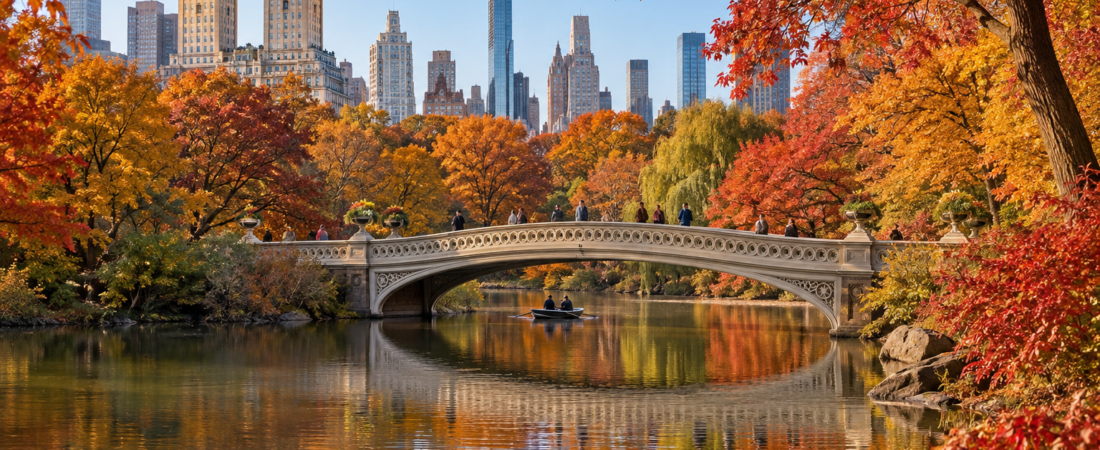
October is an excellent time for walking, neighbourhood exploration and park visits. Central Park and other green spaces gradually develop red, orange and golden colours.
November becomes noticeably colder. Thanksgiving celebrations attract many visitors, and holiday decorations begin appearing across the city.
Advantages of Visiting in Autumn
- Comfortable sightseeing temperatures
- Attractive foliage
- Lower humidity
- Cultural events and Broadway performances
- Festive atmosphere beginning in November
Disadvantages of Visiting in Autumn
- High accommodation demand
- Crowds during major events
- Shorter days later in the season
- Cooler and less predictable weather in November
Foliage timing changes from year to year. Do not arrange an entire trip around one predicted peak date because weather conditions affect when leaves change.
Visiting New York City in Winter
Winter lasts from December through February and brings cold temperatures, short daylight hours and the possibility of snow.
December is famous for holiday displays, decorated shops, seasonal markets, ice skating and the Rockefeller Center Christmas tree. This atmosphere attracts large crowds, particularly between Thanksgiving and New Year.
January and February are quieter after the holiday period. Accommodation promotions and seasonal offers may provide better value, although weather can disrupt outdoor plans.
Snow is possible but not guaranteed. Even without snow, strong winds can make conditions feel considerably colder.
Advantages of Visiting in Winter
- Holiday decorations during December
- Ice-skating rinks and seasonal markets
- Potentially better accommodation value after New Year
- Fewer visitors during parts of January and February
- Excellent indoor museums and performances
Disadvantages of Visiting in Winter
- Cold temperatures and wind
- Short daylight hours
- Possible snow or travel disruption
- Expensive accommodation during the holiday season
- Reduced comfort for long outdoor walks
Bring a warm coat, gloves, a hat and water-resistant footwear. Allow flexibility if severe weather affects flights or public transport.
New York City Month by Month
January
January is cold and generally quieter after New Year. It can be a good month for museums, Broadway performances and travellers seeking lower hotel prices.
Outdoor sightseeing requires warm clothing, and daylight hours are limited.
February
February remains cold, with possible snow and icy conditions. Valentine’s Day and holiday weekends may briefly increase demand.
It is suitable for indoor attractions, restaurants and theatre.
March
March is transitional and unpredictable. Some days feel springlike, while others remain cold and windy.
Pack for a range of conditions rather than relying on one type of clothing.
April
April brings flowers, longer days and gradually improving temperatures. Rain is common, but the month is well suited to parks and neighbourhood walks.
May
May offers some of the year’s most comfortable sightseeing conditions. Outdoor attractions, waterfront spaces and rooftop venues become increasingly popular.
Book accommodation early because demand can be high.
June
June provides warm weather and long evenings. It is a strong choice for first-time visitors who want to fit several activities into each day.
Heat and humidity can increase towards the end of the month.
July
July is hot, humid and lively. Independence Day celebrations take place around the beginning of the month, and outdoor events continue throughout the city.
Start sightseeing early and schedule indoor breaks.
August
August remains warm and humid. Some residents leave the city for holidays, but major tourist areas continue to be busy.
Hotel prices vary, so compare dates carefully.
September
September is one of the best months to visit. The weather is often warm without the strongest midsummer humidity, and cultural programmes become busier.
Major events can increase accommodation prices on particular dates.
October
October offers cool, comfortable weather and autumn colours. It is excellent for Central Park, walking tours and exploring Brooklyn.
The Halloween period brings special events and decorations.
November
November begins cool and becomes increasingly cold. The New York City Marathon and Thanksgiving celebrations attract large numbers of visitors.
Holiday decorations and markets begin appearing during the month.
December
December provides New York’s classic festive atmosphere. Decorations, seasonal performances, ice skating and illuminated streets make it memorable.
It is also crowded and expensive, particularly during Christmas and New Year.
Best Time for Good Weather
May, June, September and October generally provide the most comfortable combination of temperatures and outdoor conditions.
No month guarantees perfect weather. Rain can occur throughout the year, while heat waves and cold snaps may appear outside their usual periods.
For a walking-focused trip, May or October would be particularly attractive choices.
Best Time for Lower Prices
January and February often provide better accommodation value after the New Year holiday period.
Some winter tourism programmes offer promotions involving hotels, restaurants, Broadway productions and attractions. Availability and dates change annually, so check current offers before booking.
Late summer may also produce occasional accommodation deals, but hot and humid weather is a significant trade-off.
Avoid assuming that every hotel will be cheaper during an off-peak month. Conferences, sporting events and holidays can cause prices to rise unexpectedly.
Best Time for Smaller Crowds
Parts of January and February are generally quieter than the spring, autumn and December holiday periods.
Early mornings are useful for avoiding crowds regardless of season. Visit Times Square, Brooklyn Bridge and popular observation decks shortly after opening whenever possible.
Weekdays are usually calmer than weekends at museums and major attractions.
Best Time for Central Park
Central Park is enjoyable throughout the year:
- Spring: Flowering trees and fresh greenery
- Summer: Picnics, performances and long evenings
- Autumn: Colourful foliage and comfortable walks
- Winter: Quiet paths and occasional snow-covered scenery
Late April, May and October are especially attractive, although the timing of blossoms and autumn colours varies.
Best Time for Christmas in New York
Visit from late November through December for holiday displays and seasonal activities.
Popular experiences include Rockefeller Center, Fifth Avenue window displays, Bryant Park’s winter market and festive performances.
The period immediately before Christmas is extremely busy. Reserve flights, accommodation, performances and important restaurants well in advance.
Travelling during the first half of December may provide much of the festive atmosphere with slightly fewer crowds than Christmas week.
Major Annual Events
New York’s calendar changes every year, but major recurring events commonly include:
- Lunar New Year celebrations
- St Patrick’s Day Parade
- Tribeca Festival
- Pride events
- Independence Day celebrations
- US Open tennis
- New York Fashion Week
- New York City Marathon
- Macy’s Thanksgiving Day Parade
- Christmas and New Year celebrations
Event dates and arrangements can change. Check the official event websites before booking non-refundable travel.
Large events can affect hotel availability, public transport and road access even if you do not plan to attend.
What to Pack for New York City
Spring
Bring layers, a light jacket, an umbrella and water-resistant walking shoes.
Summer
Pack lightweight clothing, comfortable shoes, sun protection and a reusable water bottle. Carry a light layer for air-conditioned buildings.
Autumn
Bring layers, a medium-weight jacket and comfortable shoes. A warmer coat may be necessary towards the end of November.
Winter
Pack a warm coat, hat, gloves, scarf and water-resistant footwear. Thermal layers are useful during long outdoor days.
Comfortable shoes are essential in every season because New York sightseeing usually involves substantial walking.
How Long Should You Stay?
3 days allows you to experience several major attractions, but the schedule will be active. Our 3-day New York City itinerary groups nearby sights together to reduce travel time.
Four or five days provides a more relaxed first visit and leaves time for museums, neighbourhoods and Brooklyn.
Before reserving accommodation, compare the advantages of different neighbourhoods in our guide to where to stay in New York City.
Final Thoughts
The best time to visit New York City depends on the experience you want.
Choose May, June, September or October for comfortable sightseeing weather. Visit during December for holiday atmosphere, or consider January and February if saving money matters more than warm conditions.
Whichever season you select, check the current forecast, reserve major attractions and prepare for changing weather.
For more information about attractions, transport and neighbourhoods, read our complete New York City travel guide.