
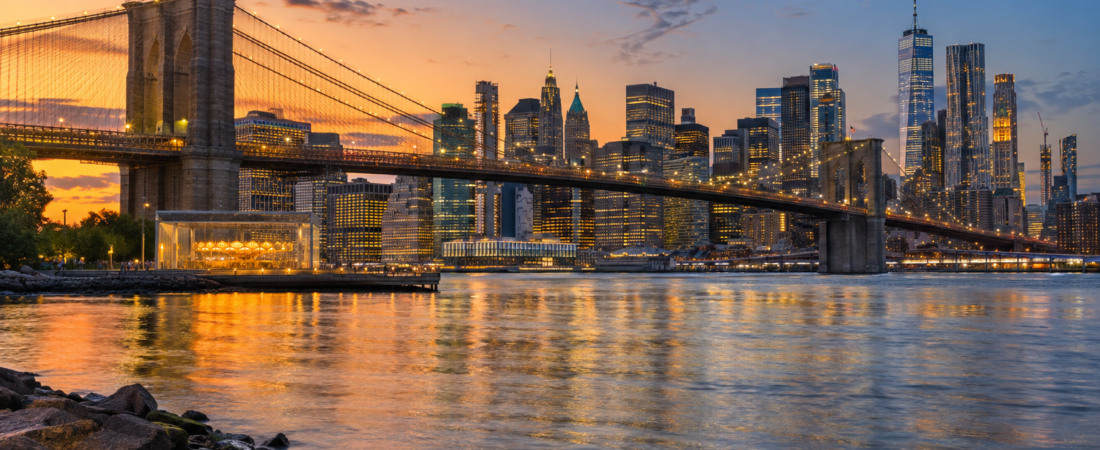
New York City is one of the world’s most exciting destinations, combining famous landmarks, diverse neighbourhoods, outstanding museums, green spaces and food from almost every corner of the globe.
Whether you are planning a short city break or a longer holiday, this New York City travel guide will help you choose the best attractions, find a suitable area to stay and navigate the city with confidence.
Why Visit New York City?
New York offers an extraordinary variety of experiences within one destination. You can begin the morning in Central Park, visit a world-class museum in the afternoon and watch a Broadway performance in the evening.
The city consists of five boroughs—Manhattan, Brooklyn, Queens, the Bronx and Staten Island—each with its own character. Manhattan contains many of the most famous sights, but exploring beyond it reveals waterfront parks, creative neighbourhoods and excellent local restaurants.
New York is particularly appealing to travellers interested in architecture, art, theatre, shopping, food and city photography.
Top Tours & Experiences in New York
Discover popular New York tours and experiences. Check current availability, ratings and prices before you book.
Affiliate disclosure: If you book through these links, we may earn a commission from Viator. This does not increase the price you pay.
Top Attractions in New York City
Statue of Liberty and Ellis Island
The Statue of Liberty is one of the most recognisable landmarks in the United States. Ferries transport visitors to Liberty Island and Ellis Island, where the National Museum of Immigration explores the experiences of millions of people who arrived in America.
Book through the authorised ferry provider and reserve ahead if you want pedestal or crown access. Ferry schedules and ticket availability can vary by season.
Central Park
Central Park provides a peaceful break from Manhattan’s busy streets. The park stretches from 59th Street to 110th Street and contains lakes, gardens, walking paths, playgrounds and cultural attractions.
Popular places include Bethesda Terrace, Bow Bridge, Strawberry Fields, Sheep Meadow and the Jacqueline Kennedy Onassis Reservoir. You can explore independently, rent a bicycle or join a guided walking tour.
Times Square
Times Square is known for its bright digital displays, Broadway theatres and constant activity. It is especially impressive after dark, although this is also when it becomes most crowded.
A short visit is usually enough to experience its atmosphere. Visitors attending a Broadway show can combine the two activities in one evening.
Empire State Building
The Empire State Building offers panoramic views across Manhattan and the surrounding boroughs. Its observation decks provide both indoor and outdoor viewing areas.
Sunset is a popular time to visit, so booking a timed ticket in advance can help you plan the rest of your day.
Top of the Rock
Top of the Rock at Rockefeller Center is another excellent observation deck. Its view includes the Empire State Building and Central Park, making it particularly attractive for photography.
Rockefeller Center is also close to Fifth Avenue, St Patrick’s Cathedral and the Museum of Modern Art.
The Metropolitan Museum of Art
The Metropolitan Museum of Art, commonly called the Met, contains an enormous collection covering thousands of years of art and history.
The museum is too large to see completely in one visit. Choose several galleries that interest you and allow at least two or three hours.
9/11 Memorial and Museum
The 9/11 Memorial honours those who lost their lives in the attacks of 11 September 2001 and the 1993 World Trade Center bombing. Two reflecting pools occupy the footprints of the former Twin Towers.
The nearby museum provides historical context through exhibitions, personal stories and preserved artefacts. Allow sufficient time and be prepared for an emotionally powerful experience.
Brooklyn Bridge and DUMBO
Walking across the Brooklyn Bridge is one of the best ways to enjoy views of Lower Manhattan and the East River. Early morning generally offers a quieter experience and softer light for photographs.
After crossing into Brooklyn, explore DUMBO and Brooklyn Bridge Park. The neighbourhood has converted warehouses, cafés, waterfront paths and classic views of the Manhattan Bridge.
The High Line and Chelsea
The High Line is an elevated public park constructed on a former railway line. Its landscaped paths pass contemporary buildings, public art and viewpoints over Manhattan’s west side.
Combine the walk with Chelsea Market, the Meatpacking District or the art galleries around Chelsea.
Grand Central Terminal
Grand Central Terminal is both a major transport hub and an architectural attraction. Its Main Concourse is famous for its celestial ceiling, large clock and impressive windows.
Visit the Whispering Gallery near the Oyster Bar and look around the market and dining areas before continuing towards Bryant Park or the New York Public Library.
Explore New York’s Neighbourhoods
Some of the city’s most rewarding experiences come from exploring its neighbourhoods. Greenwich Village has historic streets and music venues, SoHo offers cast-iron architecture and shopping, while Chinatown and Little Italy provide a wide range of food.
In Brooklyn, Williamsburg is known for restaurants, nightlife and independent shops. Queens is particularly rewarding for travellers interested in international cuisine.
Best Areas to Stay in New York City
Midtown Manhattan
Midtown is convenient for first-time visitors who want to stay near Times Square, Broadway, Rockefeller Center and the Empire State Building. It has excellent transport connections and a large selection of hotels.
The area is busy and accommodation can be expensive, but its central location makes sightseeing straightforward.
Lower Manhattan
Lower Manhattan is suitable for visitors interested in the Financial District, the Statue of Liberty, the 9/11 Memorial and Brooklyn Bridge.
The neighbourhood often feels quieter in the evening than Midtown, while subway connections provide convenient access to other parts of the city.
Upper West Side
The Upper West Side has a more residential atmosphere and provides easy access to Central Park, Riverside Park and the American Museum of Natural History.
It is a good choice for families and travellers seeking a quieter base without being too far from major attractions.
Chelsea and Greenwich Village
Chelsea and Greenwich Village suit travellers interested in restaurants, nightlife, art galleries and attractive streets. Both areas are well positioned for exploring downtown Manhattan.
Hotels can be costly, but the neighbourhood atmosphere is one of the strongest reasons to stay here.
Brooklyn
Brooklyn can provide more space and a different perspective on New York. Consider Brooklyn Heights, DUMBO, Downtown Brooklyn or Williamsburg, depending on your budget and preferred atmosphere.
Before booking, check the walking distance to a subway station and the journey time to the Manhattan attractions you intend to visit.
Getting Around New York City
Subway and Buses
The subway is generally the fastest and most affordable way to travel across New York. Services operate throughout the day and night, although routes may change because of maintenance.
OMNY allows passengers to pay by tapping a contactless bank card, smartphone or compatible device. Always use the same card or device when travelling so eligible journeys count towards the weekly fare cap.
Walking
Many New York attractions are best explored on foot. Group nearby places together to reduce unnecessary journeys—for example, visit Rockefeller Center, Fifth Avenue and Central Park on the same day.
Comfortable footwear is essential because a typical sightseeing day can involve considerable walking.
Taxis and Ride Services
Yellow taxis and app-based ride services are widely available. They are useful late at night or when travelling with luggage, but traffic can make journeys slow and expensive during busy periods.
Airport Transfers
John F. Kennedy International Airport, LaGuardia Airport and Newark Liberty International Airport serve the city. Transfer options include trains, buses, taxis and private services.
Choose according to your arrival airport, accommodation location, luggage and group size. Allow extra time during rush hour.
Best Time to Visit New York City
Spring
April to June usually brings comfortable sightseeing weather, flowering parks and longer daylight hours. Temperatures can vary, so pack layers and a light waterproof jacket.
Summer
July and August are warm and often humid. The city hosts outdoor concerts, festivals and events, but popular attractions can be crowded.
Plan outdoor sightseeing for the morning and allow time for museums or indoor attractions during the hottest part of the day.
Autumn
September to early November is one of the most pleasant periods to visit. Temperatures are generally comfortable, and autumn colours gradually appear in the parks.
Accommodation demand can remain high, so book early if your dates are fixed.
Winter
Winter brings cold weather, shorter days and the possibility of snow. The holiday season is especially atmospheric, with decorated shop windows, festive markets and the Rockefeller Center Christmas tree.
January and February can offer better accommodation prices outside major events, although visitors should prepare for low temperatures.
What to Eat in New York City
New York’s food scene ranges from inexpensive street food to internationally recognised restaurants. Classic choices include pizza by the slice, bagels, deli sandwiches, cheesecake and hot dogs.
Food halls and neighbourhood markets allow you to try several dishes in one place. Chinatown, Koreatown, Jackson Heights and Astoria are excellent areas for exploring international cuisine.
Popular restaurants can require reservations, but some of the city’s most memorable meals are found in small neighbourhood establishments.
How Many Days Do You Need in New York?
Three days will allow you to see several major Manhattan attractions, but four or five days provides a more comfortable first visit.
With five days, you can spend time in different neighbourhoods, visit multiple museums and explore Brooklyn or Queens without rushing. A week gives you greater flexibility for theatre, shopping and less familiar parts of the city.
New York City Budget Tips
New York can be expensive, but careful planning can control costs.
- Use the subway instead of relying on taxis.
- Look for accommodation outside Times Square while remaining near a subway station.
- Visit free attractions such as Central Park, the High Line and Brooklyn Bridge.
- Use the Staten Island Ferry for views of New York Harbour.
- Buy breakfast or lunch from bakeries, markets and casual neighbourhood restaurants.
- Compare individual admission prices with sightseeing passes before buying one.
- Carry a reusable water bottle where permitted.
A sightseeing pass is only worthwhile if it includes attractions you genuinely plan to visit. Calculate the normal admission costs first.
Practical Travel Tips
Reserve popular observation decks, museums, ferry tickets and Broadway performances before your trip, particularly during weekends and holiday periods.
Keep your belongings secure in crowded areas and avoid leaving phones, wallets or bags unattended. New York is generally straightforward for visitors, but normal precautions remain important.
Public transport routes sometimes change at weekends. Check current service information before beginning a longer journey.
Remember that advertised prices may not include sales tax, and tipping is customary in many service settings. Include both in your travel budget.
Book Your New York Experiences
Ready to start planning? Compare popular New York tours and activities, check current prices and availability, and book the experiences that suit your trip.
Affiliate disclosure: If you book through these links, we may earn a commission from Viator. This does not increase the price you pay.
Final Thoughts
New York City rewards visitors who combine its famous landmarks with time in local neighbourhoods. See the skyline from an observation deck, walk through Central Park, cross Brooklyn Bridge and leave space for spontaneous discoveries.
Organising each day by area will reduce travel time and create a more relaxed experience. For more destination inspiration and practical planning information, explore our travel guides and destinations.